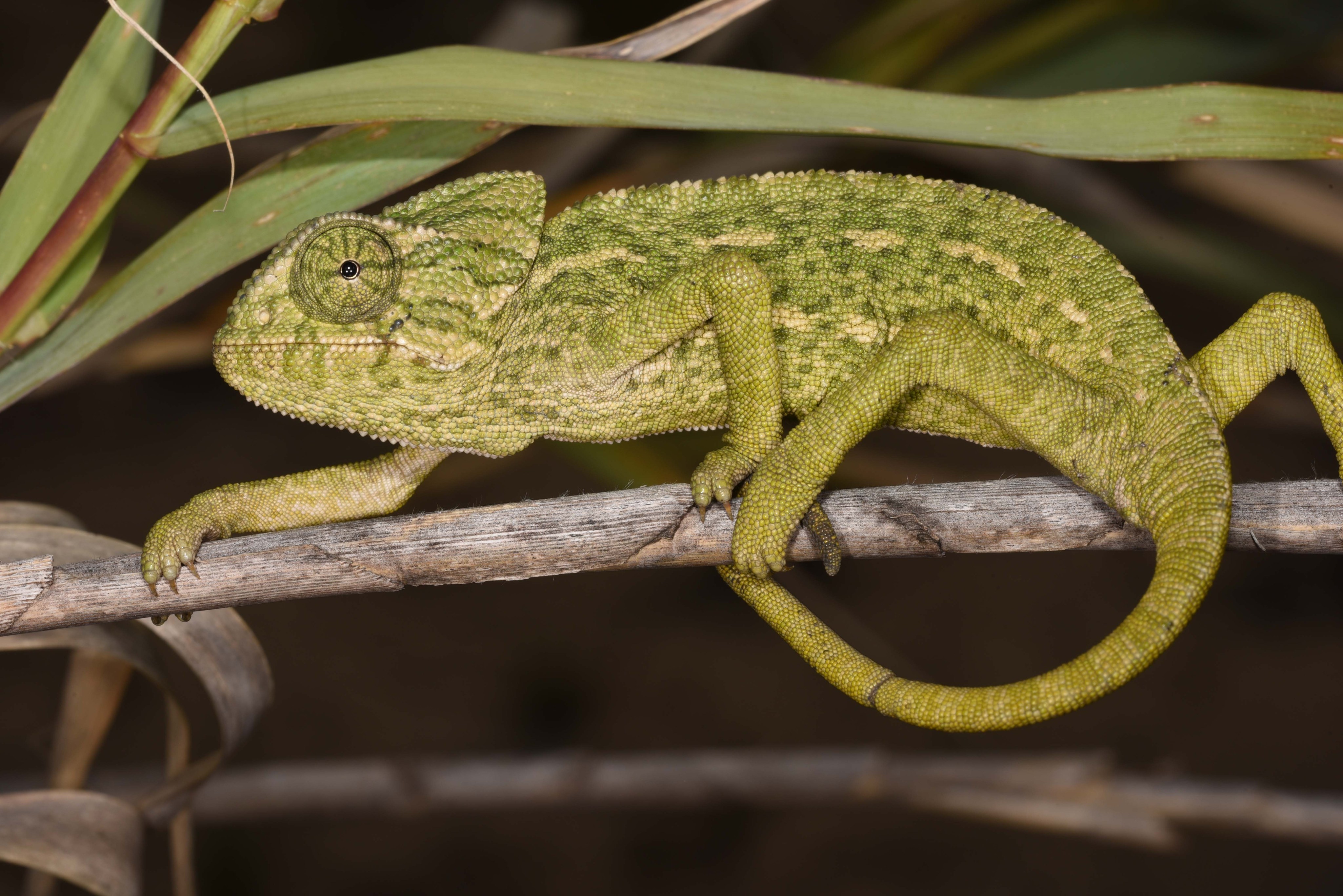
Tierärztinnen der Universität von Montreal (Kanada) haben kürzlich untersucht, welche Chamäleons weltweit in Zoos gehalten und nachgezüchtet werden. Sie nutzten dazu die sogenannte Species360 Datenbank des Zoologischen Informations-Management-System (ZIMS, früher ISIS), deren Chamäleondaten sie statistisch auswerteten. Rund 1400 Zoos, Aquarien und Forschungszentren aus rund 100 Ländern nutzen diese Datenbank und füttern sie mit den in ihren Institutionen gesammelten Daten. Die Datenbank ist nicht öffentlich zugänglich, sondern erfordert eine kostenpflichtige Mitgliedschaft.
Die Tierärztinnen untersuchten dabei Geburten oder Schlupfe zwischen Juli 2020 und Juli 2021 sowie Daten von 1980 bis 2024 zur Berechnung von Lebenserwartungen. Ausgenommen wurden Chamäleons, die abgegeben und nicht mehr nachverfolgbar waren oder bei denen Geburtsdaten ungenauer als der Monat angegeben waren. Zur Berechnung der Lebenserwartung wurden nur Arten genutzt, von denen mehr als 50 Individuen gehalten worden waren. Die Statistiken zur Langlebigkeit wurden nur bei solchen Arten durchgeführt, die mehr als 70 Individuen in Zoos aufwiesen. Dabei wurde jeweils der Durchschnitt der 5% der ältesten Individuen für beide Geschlechter errechnet. Chamäleons, die länger lebten als 99% ihrer Artgenossen sowie Tiere, die kürzer als einen Tag gelebt hatten, wurden von der Berechnung ausgeschlossen. Da teilnehmende Einrichtungen in Asien, Südamerika und Afrika weniger als 10 Chamäleons registriert hatten, wurden diese Kontinente aus der Studie entfernt.
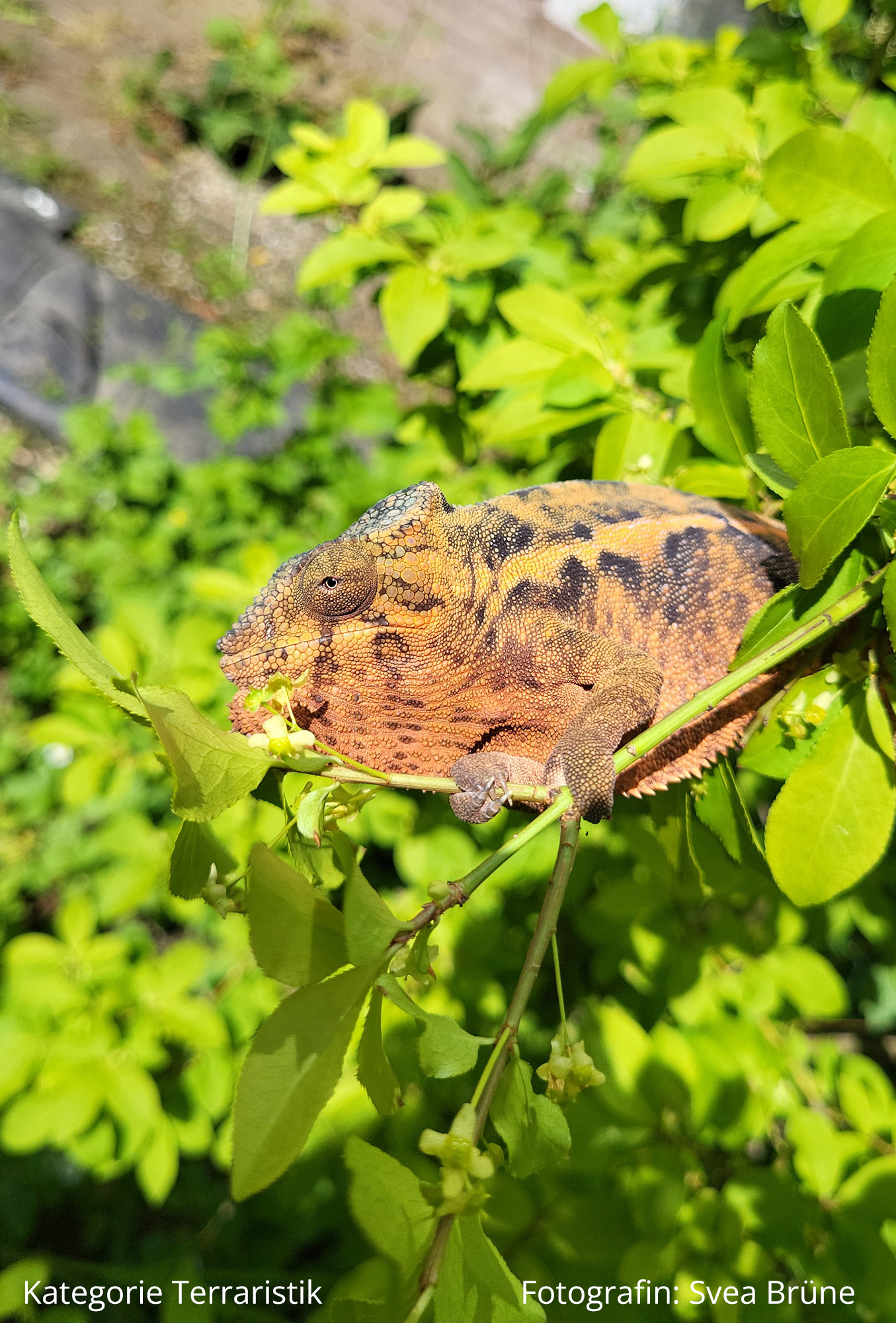
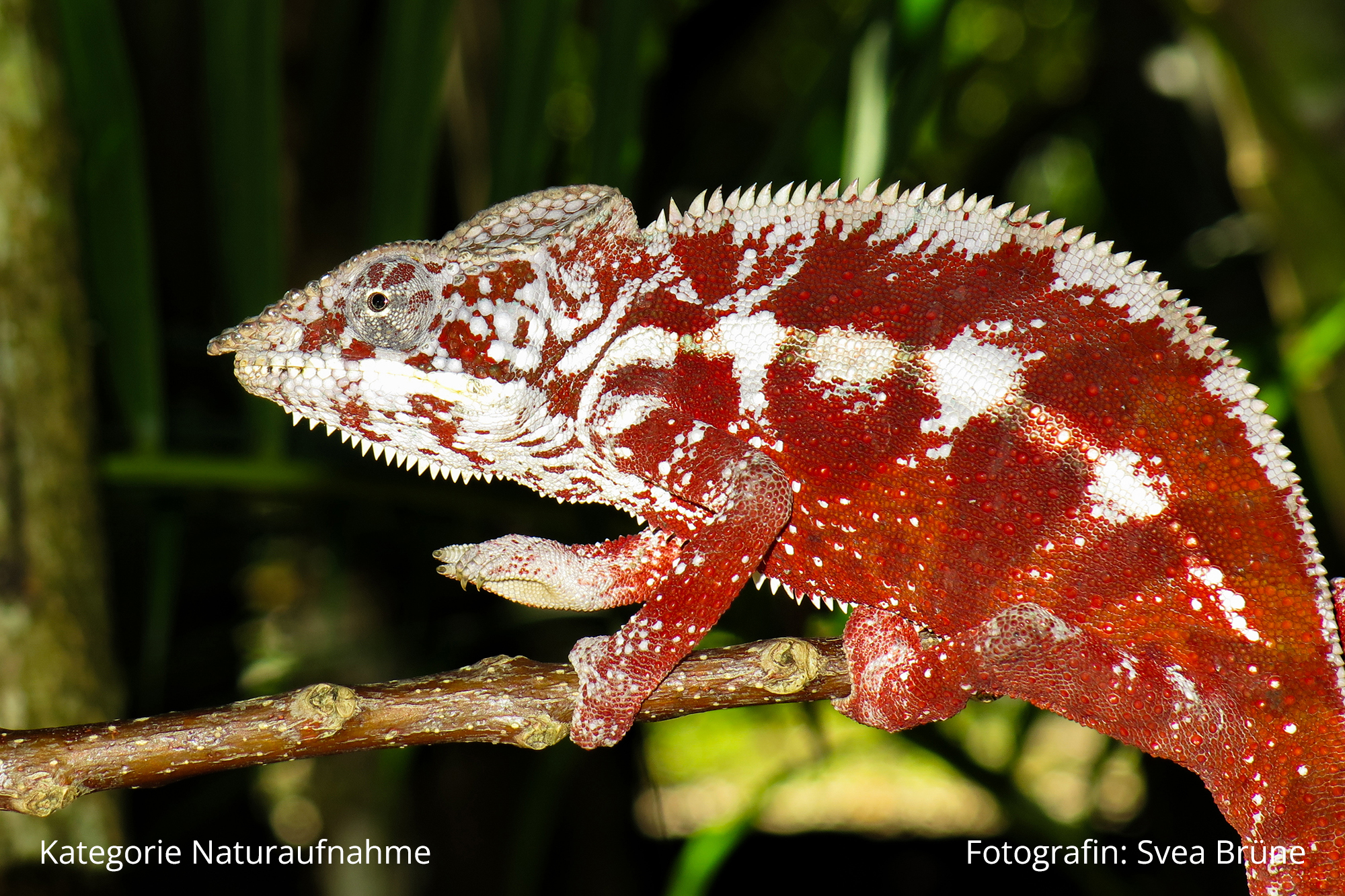
Insgesamt wurden 2021 in 203 ZIMS-Institutionen 975 Chamäleons gehalten. Dabei waren weniger als 20% der weltweit beschriebenen Arten vertreten. Über zwei Drittel der gehaltenen Chamäleons waren Jemen- und Pantherchamäleon (Chamaeleo calyptratus und Furcifer pardalis). Alle anderen Arten folgten dahinter mit sehr weitem Abstand, an dritter Stelle stand Trioceros jacksonii ohne Nennung der Unterart mit 8,4%. Von acht Arten, darunter Brookesia stumpffi, Chamaeleo africanus, Furcifer verrucosus, Kinyongia boehmei und Trioceros cristatus, wurden überhaupt nur Einzeltiere in den teilnehmenden Zoos gehalten.
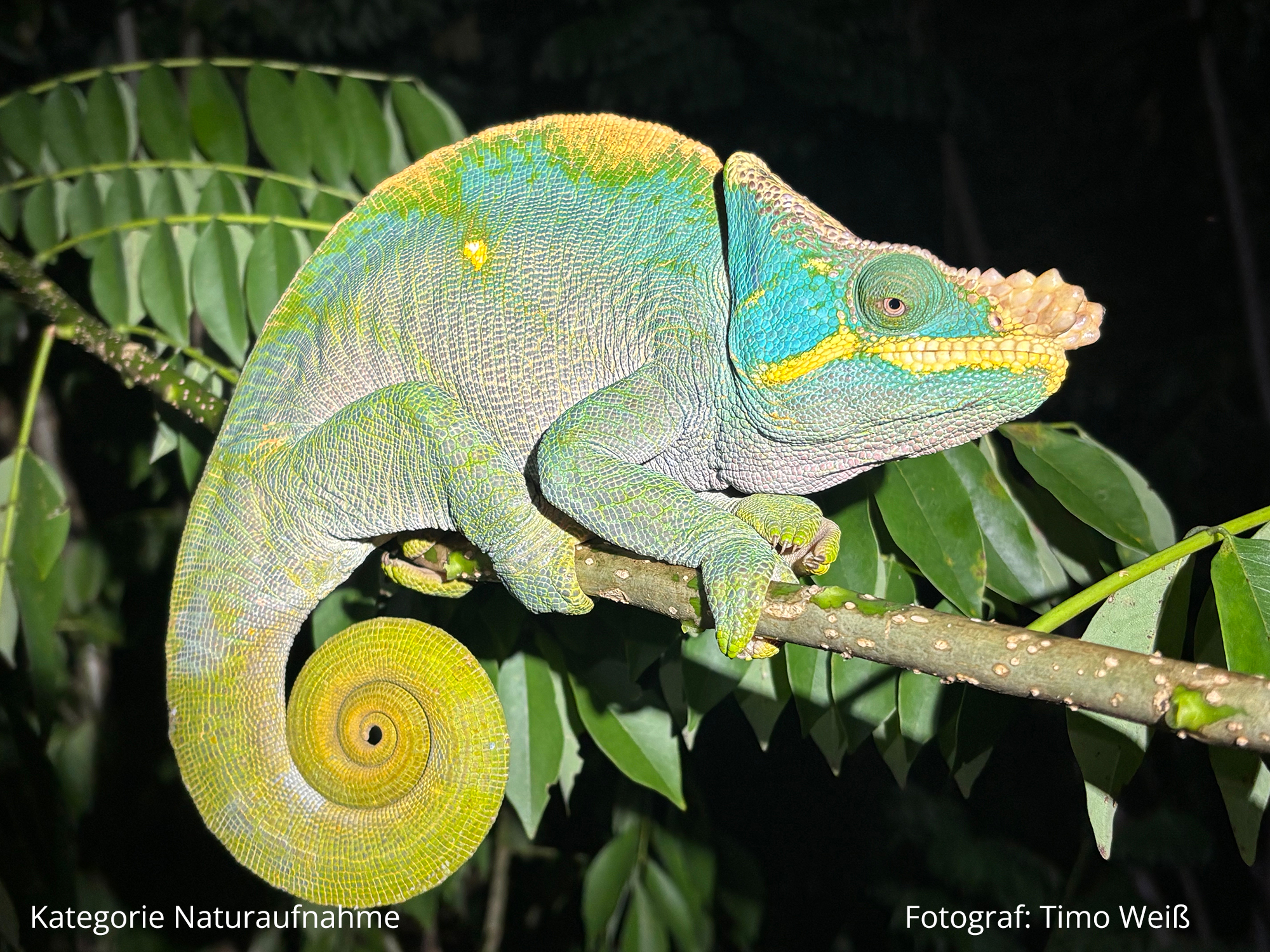
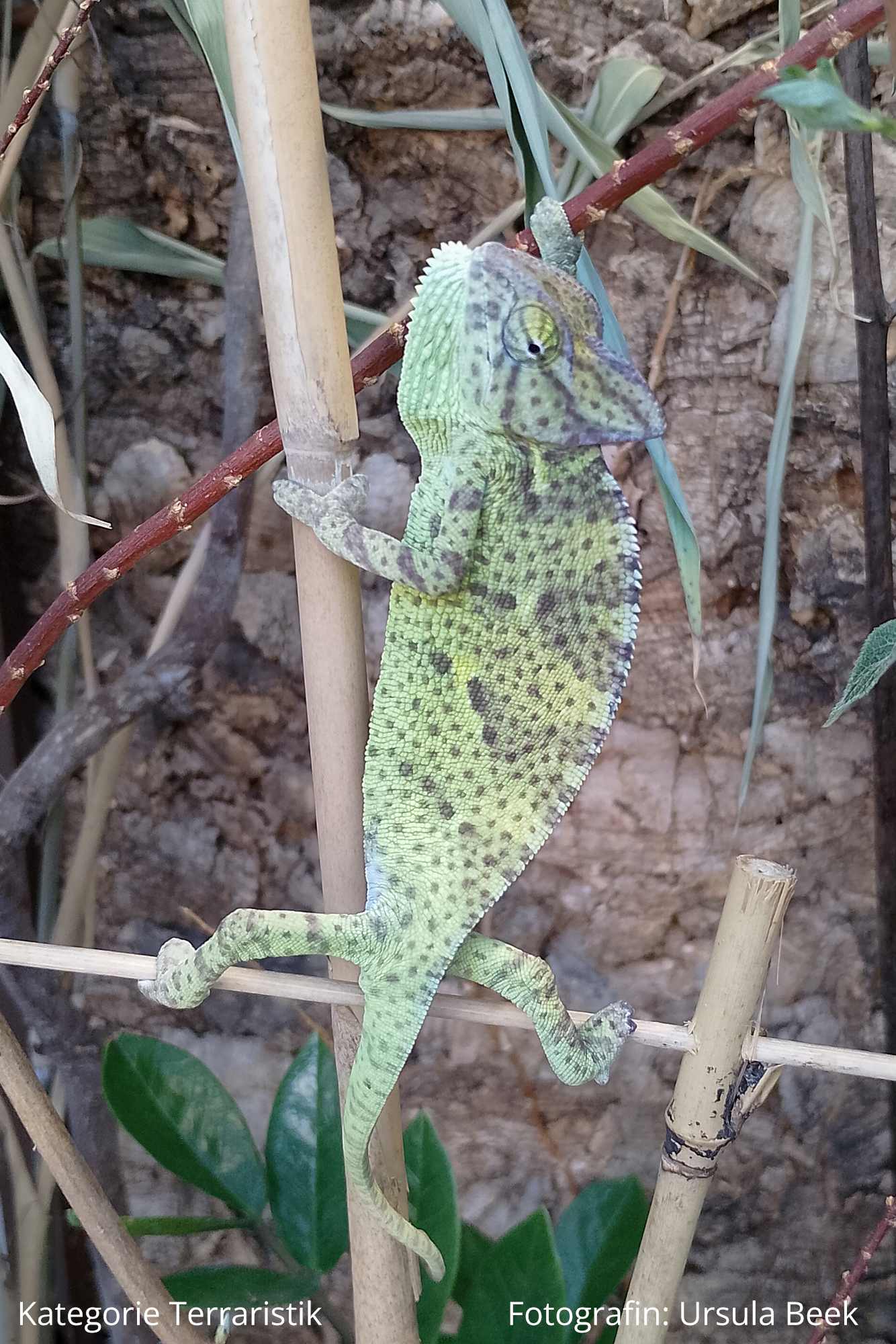
Die Zoos hatten 35% der Chamäleons als männlich, 22% als weiblich und beeindruckende 43% als „unbestimmt“ angegeben. Bei den Pantherchamäleons waren deutlich mehr Männchen vorhanden, während es bei Parsons Chamäleons (Calumma parsonii) und dem Europäischen Chamäleon (Chamaeleo chamaeleon) mehr Weibchen waren.
Zwischen 2020 und 2021 waren zu 22% der gehaltenen Chamäleons Nachzuchten ins ZIMS eingetragen worden. Über 300 Geburten und Schlupfe waren registriert worden, davon entfielen über die Hälfte auf die Art Trioceros jacksonii, knapp 17 % auf Furcifer pardalis und über 11% auf Chamaeleo calyptratus. Nicht erwähnt wurde, wie viele Eier bei oviparen Arten gelegt worden waren.
Die Lebenserwartung bei Geburt wurde für elf Arten ermittelt. Sie lag für Chamaeleo calyptratus bei 2,1 Jahren, für Chamaeleo dilepis bei 1,1 Jahren, für Furcifer oustaleti bei 1,2 Jahren, für Furcifer pardalis bei 2,1 Jahren, für Rieppeleon brevicaudatus bei 1,2 Jahren und für Trioceros melleri bei 2,7 Jahren. Für Chamaeleo chamaeleon, Trioceros hoehnelli, Furcifer lateralis, Trioceros jacksonii und Trioceros montium wurden Lebenserwartungen von unter einem Jahr errechnet.
Sowohl bei Jemen- als auch bei Pantherchamäleons lebten Männchen länger als Weibchen. Die ältesten Calumma parsonii wurden im Schnitt 8 Jahre alt, ähnlich lagen die ältesten Chamaeleo calyptratus, Furcifer pardalis und Trioceros melleri.
Die Autoren vermuten, dass die höhere Zahl an Männchen bei Panther- und Jemenchamäleons vor allem an der höheren optischen Attraktivität der Männchen für Zoobesucher liegen könnte. Erstaunlicherweise wurden auch 50% der Jemenchamäleons als „unbestimmt“ ins ZIMS eingetragen, obwohl bei dieser Art das Geschlecht bereits beim Schlupf leicht zu erkennen ist. Die Autoren schlagen vor, dass auch Chamäleons langfristig in internationale Zuchtprogramme aufgenommen werden und dabei Hand in Hand mit Schutzprojekten in den Lebensräumen der Tiere gehen.
Evaluation of the sex and species distribution, breeding, and life expectancy of zoo-housed chameleons
Amélie Aduriz, Floriane Plard, Claire Vergneau-Grosset
Zoo Biology, 2026: 1-15
DOI: 10.1002/zoo.70078
Kostenloser Download des Artikels
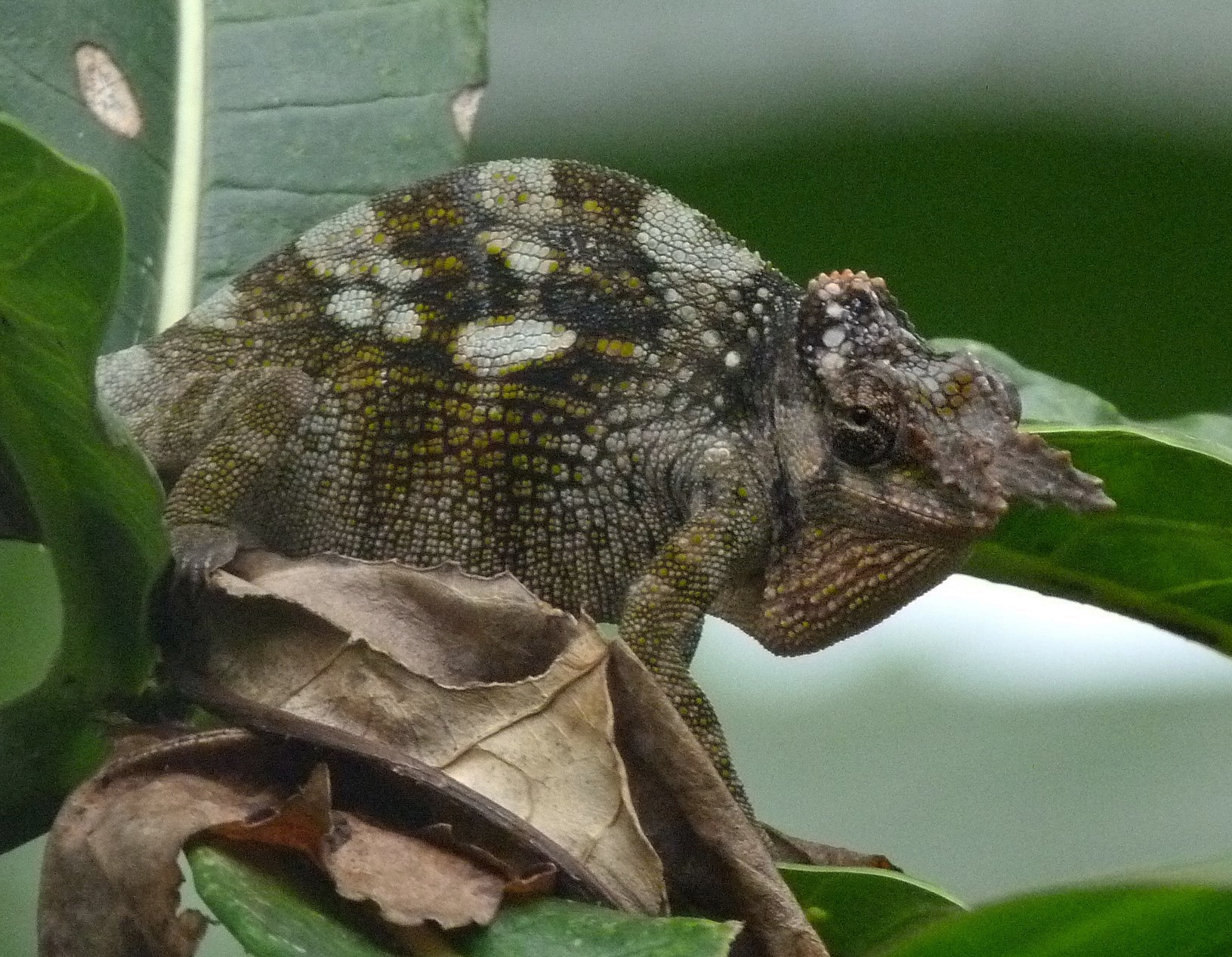
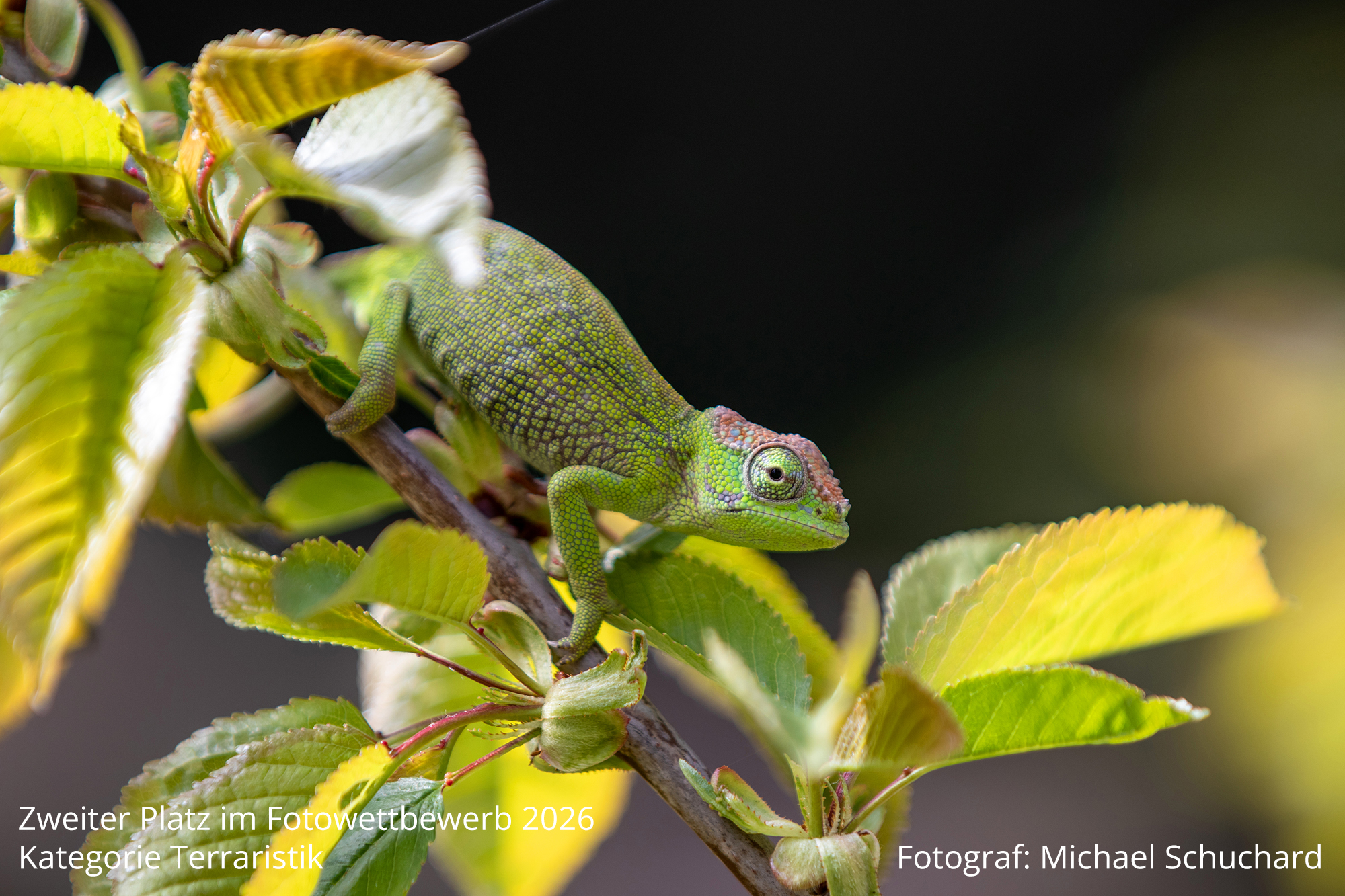
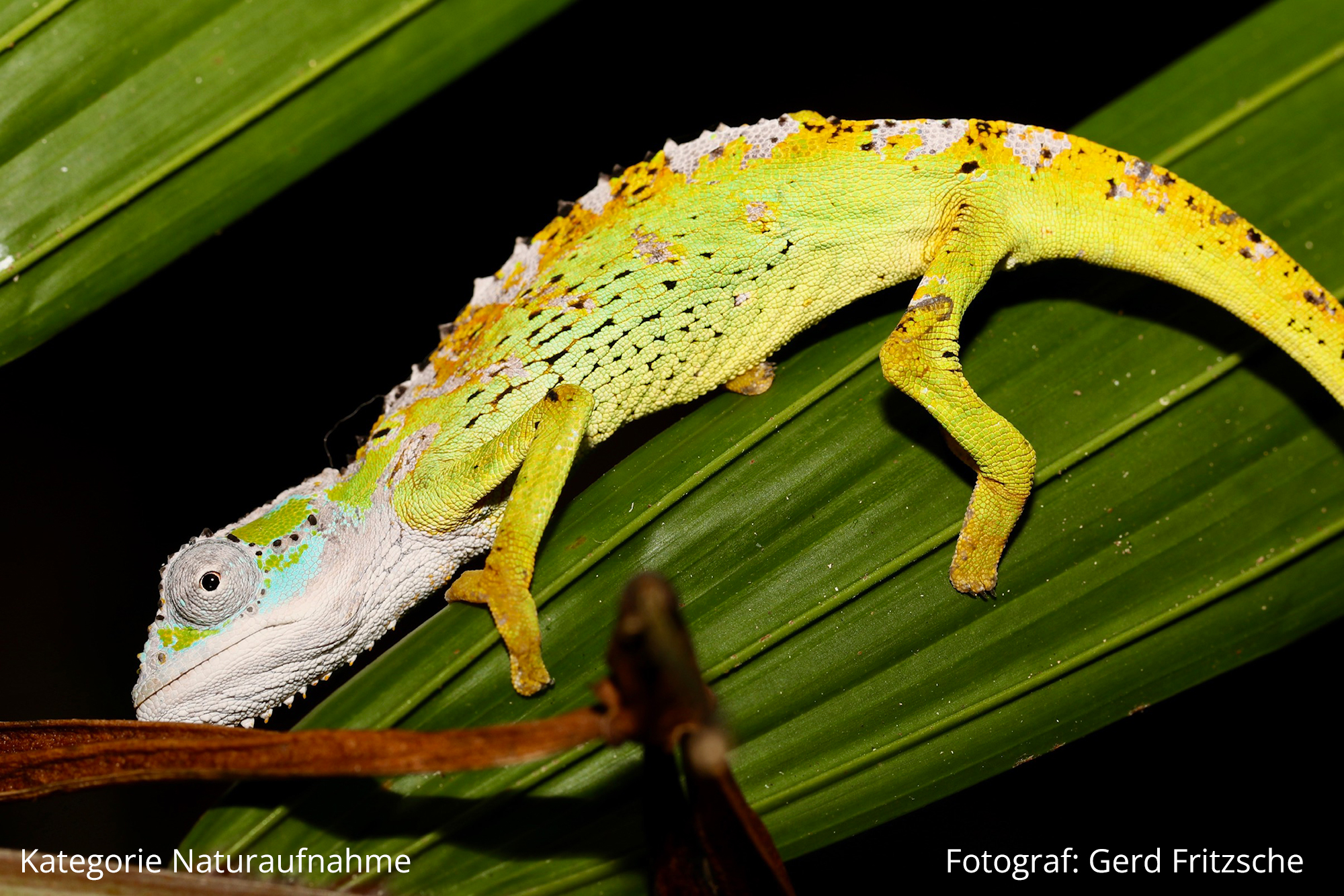
Foto: Kinyongia tavetana