[:de]Vortrag in Landau über Madagaskar[:en]Presentation in Landau about Madagascar[:]

[:de]Vortrag in Landau über Madagaskar[:en]Presentation in Landau about Madagascar[:]

Reiseberichte Vorträge

[:de]

Am Samstag, den 21.03.2026, wird Patrick Schönecker einen reich bebilderten Vortrag über Madagaskar halten. Und Chamäleons werden nicht zu kurz kommen!

Seit 25 Jahren bereist Patrick Schönecker die Insel Madagaskar und hat dabei zahlreiche Lebensräume quer durch das Land erkundet. In den letzten Jahren richteten sich seine Reisen verstärkt auf die feuchten und halbtrockenen Regionen – mit besonderem Fokus auf die Arten-Hotspots sowie die letzten verbliebenen Regen- und Trockenwaldgebiete. Entstanden ist ein Vortrag, der mit eindrucksvollen Naturaufnahmen die außergewöhnliche Artenvielfalt Madagaskars dokumentiert und insbesondere die faszinierende Herpetofauna in den Mittelpunkt stellt.

Im Zentrum des Vortrags stehen zwei naturräumlich recht gegensätzliche Gebiete: Zum einen der Regenwaldgürtel rund um Andasibe, in dem ein Verbund staatlicher und privater Schutzgebiete die Durchwanderbarkeit des östlichen Hochlands gewährleistet. Zum anderen die Waldreste im Norden der Insel, deren kalksteinreiche Landschaften eine Vielzahl lokaler Mikrohabitate und Endemiten hervorgebracht haben.

Obwohl der Fokus auf der Herpetofauna liegt, lässt unser Referent auch die enorme Vielfalt endemischer Säugetiere, Insekten und Pflanzen nicht außer Acht – und lädt seine Zuhörer zu einem eindrucksvollen Streifzug durch die bedrohten Naturparadiese einer der einzigartigsten Inseln unseres Planeten ein.

Patrick Schönecker Madagaskars faszinierende Reptilien- und Amphibienwelt – Einblicke in die Artenvielfalt der Hotspots im zentralen Hochland und Norden der Insel 
DGHT Regionalgruppe Kurpfalz
Reptilium Landau
Werner-Heisenberg-Straße 1
76829 Landau in der Pfalz
Vortragsbeginn 20.00 Uhr, Einlass ab 19.00 Uhr

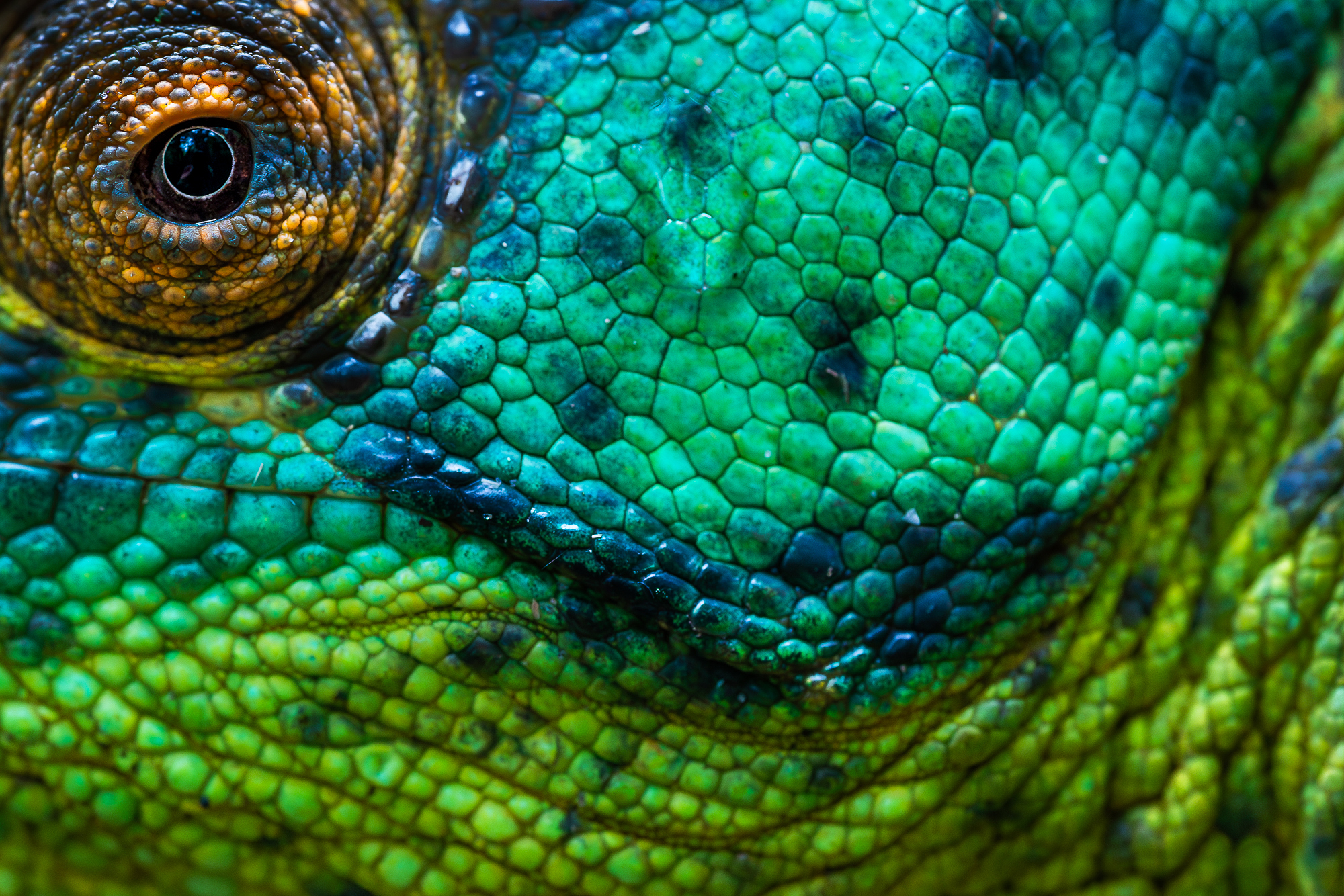
Foto: Calumma parsonii parsonii, fotografiert von Patrick Schönecker[:en]

On Saturday, 21 March 2026, Patrick Schönecker will give a richly illustrated talk on Madagascar. And there will be plenty of cameleons to see!

Patrick Schönecker has been travelling to the island of Madagascar for 25 years, exploring numerous habitats across the country. In recent years, his travels have increasingly focused on the humid and semi-arid regions – with a particular emphasis on species hotspots and the last remaining areas of rainforest and dry forest. The result is a talk that documents Madagascar’s extraordinary biodiversity with impressive nature photographs, placing particular emphasis on the fascinating herpetofauna.

The lecture centres on two areas that are quite contrasting in terms of their natural environment: on the one hand, the rainforest belt around Andasibe, where a network of state and private protected areas ensures the connectivity of the eastern highlands. On the other hand, the remaining forests in the north of the island, whose limestone-rich landscapes have given rise to a multitude of local microhabitats and endemic species.

Although the focus is on the herpetofauna, our speaker does not overlook the enormous diversity of endemic mammals, insects and plants – and invites his audience on an impressive journey through the threatened natural paradises of one of the most unique islands on our planet.

Patrick Schönecker Madagascar’s fascinating world of reptiles and amphibians – insights into the biodiversity of the hotspots in the central highlands and north of the island [German]
DGHT regional group Kurpfalz
Reptilium Landau
Werner-Heisenberg-Straße 1
76829 Landau in der Pfalz
The lecture begins at 8.00 pm; doors open at 7.00 pm

Picture: Calumma parsonii parsonii, photographed by Patrick Schönecker[:]

[:de]Vorkommen des Lappenchamäleons im Norden Mosambiks[:en]The flap-necked chameleon in northern Mozambique[:]

[:de]Vorkommen des Lappenchamäleons im Norden Mosambiks[:en]The flap-necked chameleon in northern Mozambique[:]

Verbreitung Wissenschaft

[:de]

Wissenschaftler haben kürzlich nach Reptilien in der Gemeinde Mocuba im Norden Mosambiks gesucht, um die vorkommenden Arten zu inventarisieren. Sie untersuchten dabei einen sogenannten Miombo-Trockenwald (eine Art weitständige Waldsavanne mit kaum Unterholz) sowie einen nahe gelegenen Granitfelsen namens Mount Morué, der nur insgesamt 361 m hoch ist.

Während mehrerer Monate in der Regen- und Trockenzeit wurde für jeweils sieben Tage (insgesamt 42) beide Habitate durchsucht. Die Wissenschaftler nutzten Grubenfallen und suchten mit dem bloßen Auge tagsüber entlang festgelegter Transekte. Reptilien wurden an Hand vorhandener Field Guides und mit Hilfe von Experten identifiziert. Zusätzlich wurden einige Tiere getötet und der Sammlung der Universtität Zambezi zugeführt.

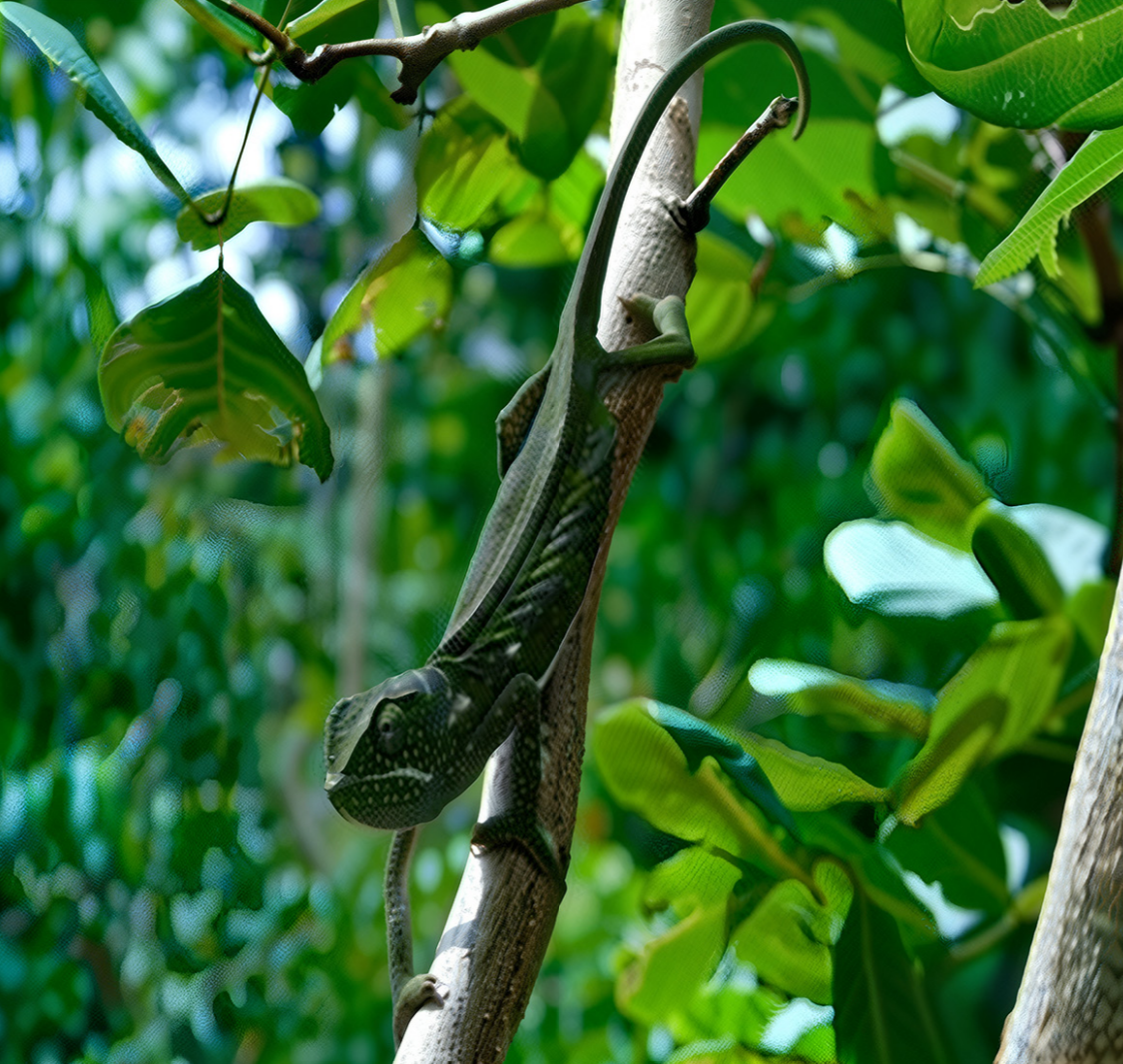
Insgesamt wurden 23 verschiedene Reptilienarten beobachtet. Chamaeleo dilepis wurde sechs Mal gefunden. Alle Chamäleons wurden im Miombo woodland gefunden und kein einziges Chamäleon auf dem Granitfelsen Mount Morué. Zwei Chamäleons befanden sich zwei gerade auf Beutesuche, zwei andere befanden sich noch in Schlafposition bei Fund am frühen Morgen. Ein weiteres Lappenchamäleon war in einer Grubenfalle gelandet. Die Art ist in Mosambik bereits von vielen Funden bekannt. Von Mocuba standen Funde bisher jedoch noch aus.

Beyond the asymptote: a near-complete reptile inventory in the Miombo woodland and on Mount Morué, Mocuba Municipality, with a major range extension for the lizard Nucras boulengeri Neumann, 1900
Avelino R. Miguel, Berta I. Sitole, Nando A.M. Calonga, Celso H. Duarte, Dolescêncio Armando, Célia J.A. Nanvonamuquitxo, Hinrich Kaiser
Herpetology Notes 18: 1051-1071.
DOI: unbekannt
Kostenloser Download des Artikels

Foto: Chamaeleo dilepis an einer Fundstelle in den Miombo Woodlands, fotografiert von Miguel Avelino[:en]

Scientists recently searched for reptiles in the municipality of Mocuba in northern Mozambique to compile an inventory of the species found there. They examined a so-called miombo dry forest (a type of sparse forest savannah with hardly any undergrowth) and a nearby granite rock called Mount Morué, which is only 361 metres high.

Over several months during the rainy and dry seasons, both habitats were searched for seven days at a time (42 days in total). The scientists used pitfall traps and searched with the naked eye during the day along predetermined transects. Reptiles were identified using existing field guides and with the help of experts. In addition, some animals were killed and added to the Zambezi University collection.

A total of 23 different reptile species were observed. Chamaeleo dilepis was found six times. All chameleons were found in the Miombo woodland and not a single chameleon was found on the granite rock of Mount Morué. Two chameleons were hunting for prey, while two others were still in a sleeping position when found early in the morning. Another lappet chameleon had ended up in a pit trap. The species is already known from many finds in Mozambique. However, no finds had been made in Mocuba until now.

Beyond the asymptote: a near-complete reptile inventory in the Miombo woodland and on Mount Morué, Mocuba Municipality, with a major range extension for the lizard Nucras boulengeri Neumann, 1900
Avelino R. Miguel, Berta I. Sitole, Nando A.M. Calonga, Celso H. Duarte, Dolescêncio Armando, Célia J.A. Nanvonamuquitxo, Hinrich Kaiser
Herpetology Notes 18: 1051-1071.
DOI: not available
Free article download

Photo: Chamaeleo dilepis in the Miombo Woodlands, photographed by Miguel Avelino[:]