[:de]
Die DGHT Frankfurt startet mit einem Highlight in das neue Jahr. Aufgrund eines Heimatbesuchs haben sie das große Glück, Rainer Dolch von der Association Mitsinjo in Andasibe, Madagaskar, begrüßen zu können. Am Freitag, den 09.01.2026, wird er einen ausführlichen Vortrag über Madagaskar und seine herpetologische Vielfalt halten.
Madagaskars Amphibien und Reptilien bewohnen die verschiedensten Lebensräume, von Tieflandegenwäldern über die höchsten Berggipfel zu Karstgebieten, Trockenwäldern und einzigartigen Halbwüsten. Die lange Isolation Madagaskars nach dem Zerfall des Urkontinents Gondwana, seine Geographie und die enorme Vielfalt seiner Lebensräume hat evolutive Prozesse befördert, die zahlreiche endemische Arten von Amphibien und Reptilien hervorgebracht haben. Viele dieser Taxa kommen allopatrisch und mikroendemisch vor, sie sind also auf sehr kleine eng begrenzte Gebiete beschränkt. So haben endemische Familien wie die Madagaskarfrösche (Mantellidae), die Madagaskarnattern (Pseudoxyrhophiidae) und die Madagaskarleguane (Opluridae) jeweils große Radiationen erfahren. Eine große Vielfalt beinloser Skinke sowie einige der seltensten Schildkröten der Welt gehören ebenfalls zur außergewöhnlichen Herpetofauna der Insel. Schließlich ist Madagaskar ein Hotspot der Chamäleondiversität, insbesondere in der Chamäleongattung Calumma sind erst in jüngster Zeit viele kryptische Arten beschrieben worden, die zwar äußerlich fast identisch aussehen, aber genetisch so verschieden sind, dass sie sich nicht mehr miteinander fortpflanzen können. Viele der in Madagaskar heimischen Amphibien und Reptilien und die von ihnen bewohnten Habitate werden ebenso vorgestellt wie Bedrohungen und Maßnahmen zu ihrem Schutz.
Dr. Rainer Dolch Mikroendemismus, kryptische Arten, faszinierende Vielfalt: Eine Tour d’Horizon durch die Herpetofauna Madagaskars
DGHT Stadtgruppe Frankfurt
Zooschule des Zoo Frankfurt
Bernhard-Grzimek-Allee 1
60316 Frankfurt am Main
Vortragsbeginn 19.00 Uhr, Einlass ab 18:30 Uhr über das Ausgangstor am Haupteingang Alfred-Brehm-Platz (Tor zwischen Zoo-Shop und Zoogesellschaftshaus)
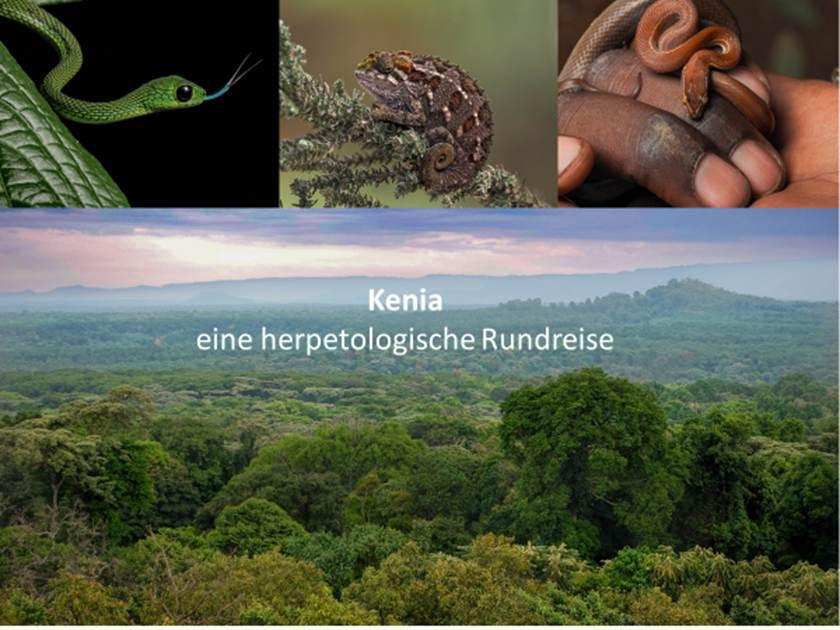
Fotos: herpetologische Vielfalt Madagaskars, fotografiert von Rainer Dolch[:en]
The DGHT Frankfurt is kicking off the new year with a highlight. Thanks to a visit home, they are fortunate to welcome Rainer Dolch from the Association Mitsinjo in Andasibe, Madagascar. On Friday, 9 January 2026, he will give a detailed lecture on Madagascar and its herpetological diversity.
Madagascar’s amphibians and reptiles inhabit a wide variety of habitats, from lowland forests to the highest mountain peaks, karst areas, dry forests and unique semi-deserts. Madagascar’s long isolation after the break-up of the supercontinent Gondwana, its geography and the enormous diversity of its habitats have promoted evolutionary processes that have produced numerous endemic species of amphibians and reptiles. Many of these taxa are allopatric and microendemic, meaning they are restricted to very small, confined areas. Endemic families such as the Madagascar frogs (Mantellidae), the Madagascar snakes (Pseudoxyrhophiidae) and the Madagascar iguanas (Opluridae) have each undergone major radiation. A wide variety of legless skinks and some of the world’s rarest turtles also belong to the island’s extraordinary herpetofauna. Finally, Madagascar is a hotspot for chameleon diversity. In the chameleon genus Calumma in particular, many cryptic species have only recently been described which, although they look almost identical externally, are genetically so different that they can no longer reproduce with each other. Many of the amphibians and reptiles native to Madagascar and the habitats they inhabit are presented, as are the threats they face and measures taken to protect them.
Dr. Rainer Dolch Microendemism, cryptic species, fascinating diversity: a tour d’horizon through the herpetofauna of Madagascar [German]
DGHT city group Frankfurt
Zoo school of Frankfurt zoo
Bernhard-Grzimek-Allee 1
60316 Frankfurt am Main
Lecture begins at 7 p.m., doors open at 6:30 p.m. via the exit gate at the main entrance on Alfred-Brehm-Platz (gate between the zoo shop and the zoo society building).
Photos: Herpetological diversity of Madagascar, photographed by Rainer Dolch[:]

![[:de]Vortrag in Frankfurt über Madagaskar[:en]Presentation in Frankfurt about Madagascar[:]](https://www.agchamaeleons.de/wp-content/uploads/2026/01/DGHT-FfM-09.01.2026-Dolch-Madagaskar.jpg "[:de]Vortrag in Frankfurt über Madagaskar[:en]Presentation in Frankfurt about Madagascar[:]")