[:de]Vortrag in Landau über Madagaskar[:en]Presentation in Landau about Madagascar[:]

[:de]Vortrag in Landau über Madagaskar[:en]Presentation in Landau about Madagascar[:]

Reiseberichte Vorträge

[:de]

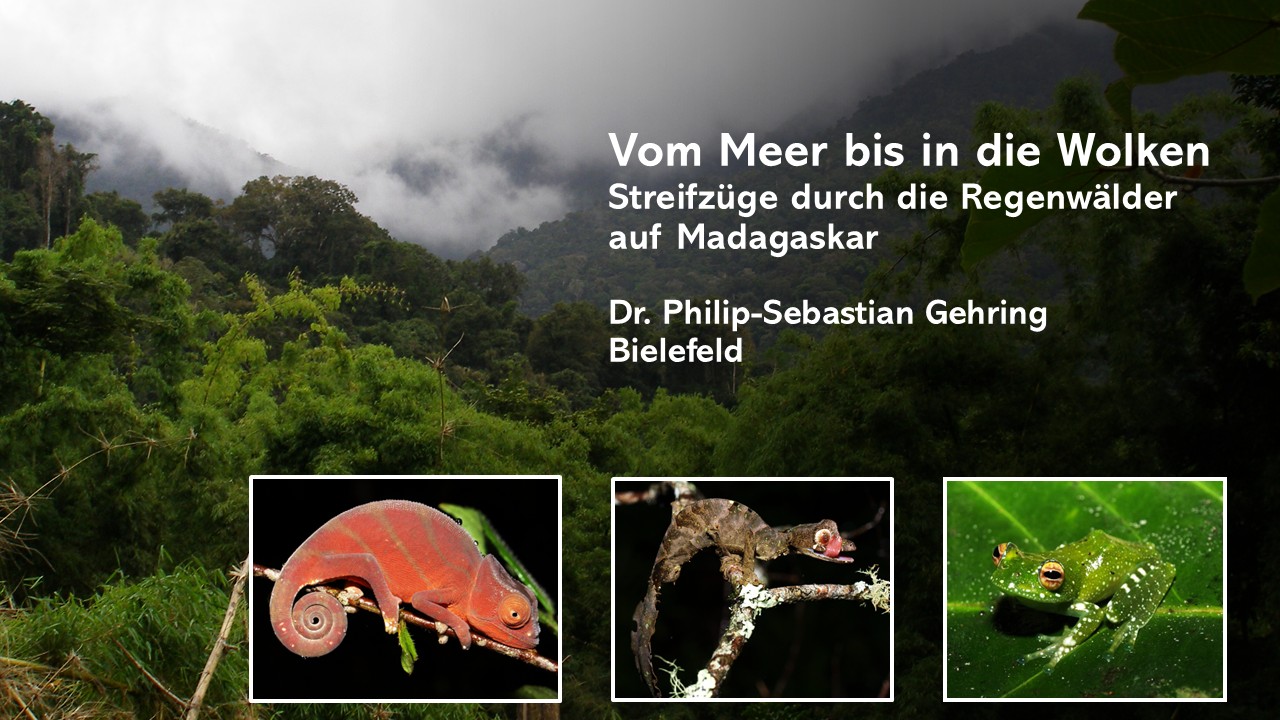
Am Samstag, den 21.03.2026, wird Patrick Schönecker einen reich bebilderten Vortrag über Madagaskar halten. Und Chamäleons werden nicht zu kurz kommen!

Seit 25 Jahren bereist Patrick Schönecker die Insel Madagaskar und hat dabei zahlreiche Lebensräume quer durch das Land erkundet. In den letzten Jahren richteten sich seine Reisen verstärkt auf die feuchten und halbtrockenen Regionen – mit besonderem Fokus auf die Arten-Hotspots sowie die letzten verbliebenen Regen- und Trockenwaldgebiete. Entstanden ist ein Vortrag, der mit eindrucksvollen Naturaufnahmen die außergewöhnliche Artenvielfalt Madagaskars dokumentiert und insbesondere die faszinierende Herpetofauna in den Mittelpunkt stellt.

Im Zentrum des Vortrags stehen zwei naturräumlich recht gegensätzliche Gebiete: Zum einen der Regenwaldgürtel rund um Andasibe, in dem ein Verbund staatlicher und privater Schutzgebiete die Durchwanderbarkeit des östlichen Hochlands gewährleistet. Zum anderen die Waldreste im Norden der Insel, deren kalksteinreiche Landschaften eine Vielzahl lokaler Mikrohabitate und Endemiten hervorgebracht haben.

Obwohl der Fokus auf der Herpetofauna liegt, lässt unser Referent auch die enorme Vielfalt endemischer Säugetiere, Insekten und Pflanzen nicht außer Acht – und lädt seine Zuhörer zu einem eindrucksvollen Streifzug durch die bedrohten Naturparadiese einer der einzigartigsten Inseln unseres Planeten ein.

Patrick Schönecker Madagaskars faszinierende Reptilien- und Amphibienwelt – Einblicke in die Artenvielfalt der Hotspots im zentralen Hochland und Norden der Insel 
DGHT Regionalgruppe Kurpfalz
Reptilium Landau
Werner-Heisenberg-Straße 1
76829 Landau in der Pfalz
Vortragsbeginn 20.00 Uhr, Einlass ab 19.00 Uhr

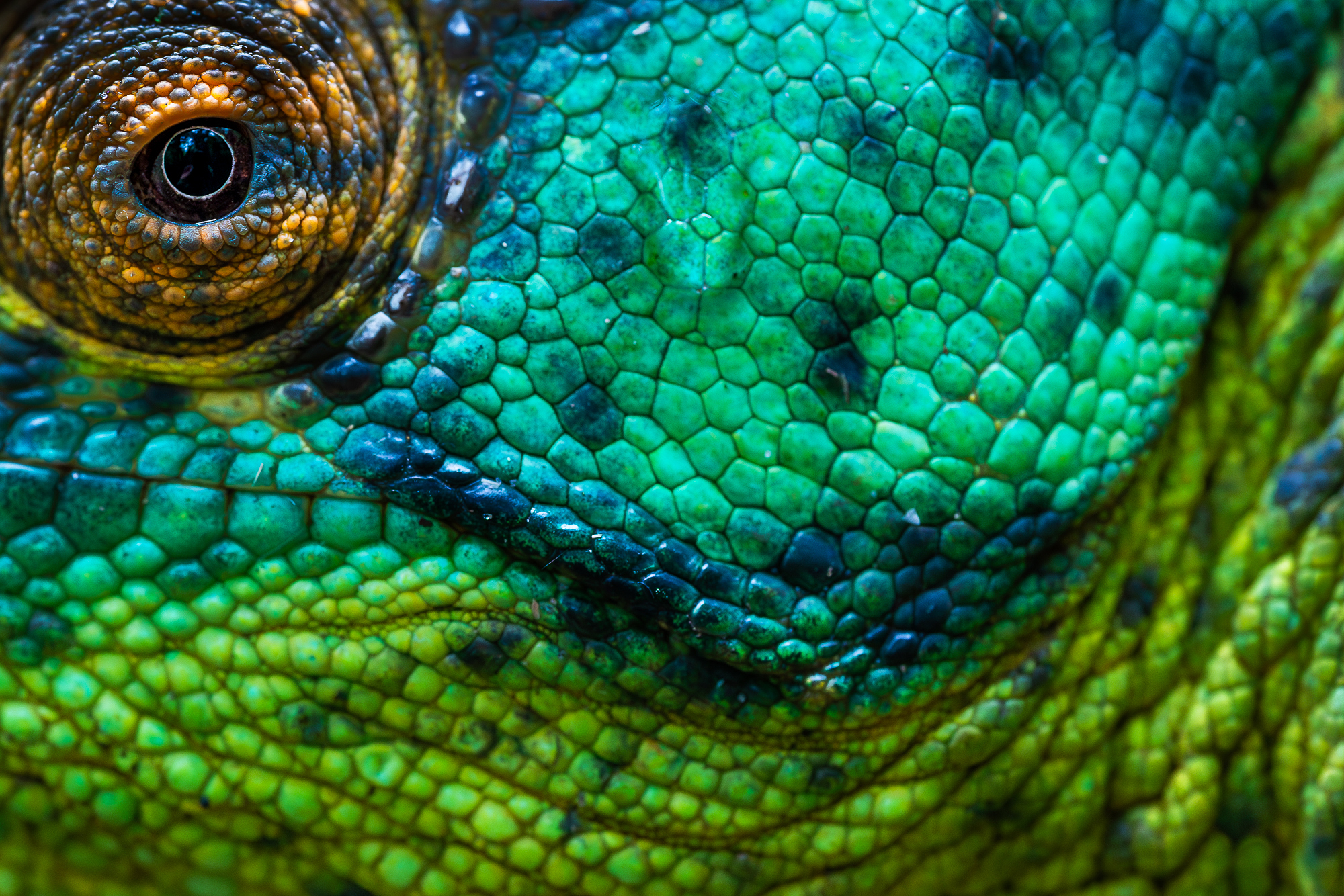
Foto: Calumma parsonii parsonii, fotografiert von Patrick Schönecker[:en]

On Saturday, 21 March 2026, Patrick Schönecker will give a richly illustrated talk on Madagascar. And there will be plenty of cameleons to see!

Patrick Schönecker has been travelling to the island of Madagascar for 25 years, exploring numerous habitats across the country. In recent years, his travels have increasingly focused on the humid and semi-arid regions – with a particular emphasis on species hotspots and the last remaining areas of rainforest and dry forest. The result is a talk that documents Madagascar’s extraordinary biodiversity with impressive nature photographs, placing particular emphasis on the fascinating herpetofauna.

The lecture centres on two areas that are quite contrasting in terms of their natural environment: on the one hand, the rainforest belt around Andasibe, where a network of state and private protected areas ensures the connectivity of the eastern highlands. On the other hand, the remaining forests in the north of the island, whose limestone-rich landscapes have given rise to a multitude of local microhabitats and endemic species.

Although the focus is on the herpetofauna, our speaker does not overlook the enormous diversity of endemic mammals, insects and plants – and invites his audience on an impressive journey through the threatened natural paradises of one of the most unique islands on our planet.

Patrick Schönecker Madagascar’s fascinating world of reptiles and amphibians – insights into the biodiversity of the hotspots in the central highlands and north of the island [German]
DGHT regional group Kurpfalz
Reptilium Landau
Werner-Heisenberg-Straße 1
76829 Landau in der Pfalz
The lecture begins at 8.00 pm; doors open at 7.00 pm

Picture: Calumma parsonii parsonii, photographed by Patrick Schönecker[:]

[:de]Vortrag in Dortmund über Kenia[:en]Presentation in Dortmund about Kenya[:]

[:de]Vortrag in Dortmund über Kenia[:en]Presentation in Dortmund about Kenya[:]

Reiseberichte Vorträge

[:de]

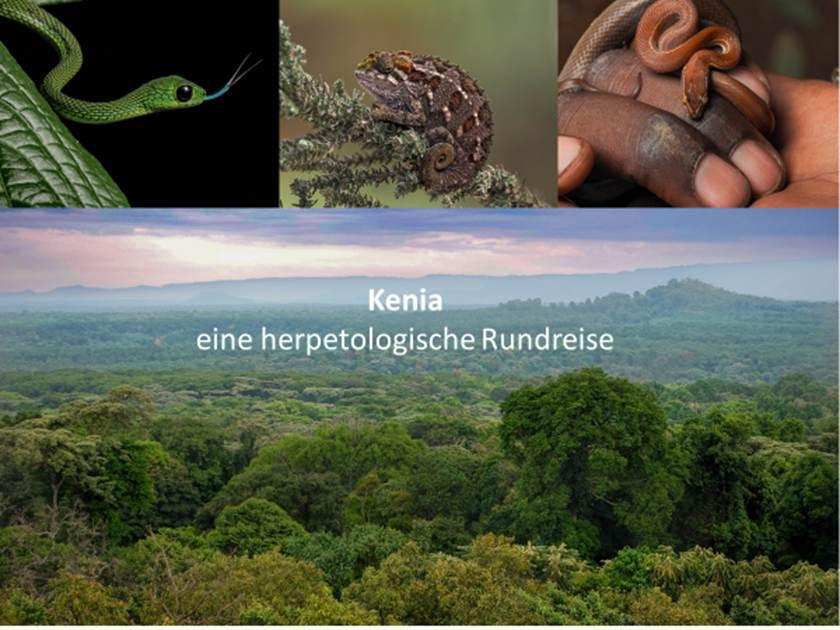
Am Freitag, den 06.02.2026, wird Rolf Mätzkow einen reich bebilderten Vortrag über eine spannende Reise in Kenia halten. Und Chamäleons werden nicht zu kurz kommen!

Kenia lockt nicht nur mit einer hohen Artenvielfalt, sondern auch mit ganz unterschiedlichen Landschaftstypen. Die kleine herpetologische Rundreise führt die Zuschauer über Naivasha in den Kakamega Regenwald, dem einzigen tropischen kenianischen (Tiefland-) Regenwald. Auf der Weiterfahrt laden die chamäleonreichen Höhen von Njoro zu einem Stop ein, bevor die Reise in den Mount Kenia Nationalpark führt – nicht nur der Chamäleons wegen. Natürlich darf bei der Rundreise die Savannenlandschaft nicht fehlen und so fügt sich der Tsavo Nationalpark mit Schlangen, Echsen und Schildkröten nahtlos in unser Tourkonzept ein. Der Besuch der Küstenlandschaft von Watamu, wo wir zu guter Letzt Korallenskinke kennlernen dürfen, bildet schließlich den harmonischen Ausklang der kleinen Rundreise.

Rolf Mätzkow Kenia – eine herpetologische Rundreise
DGHT Stadtgruppe Dortmund
Restaurant Olympia – Zur alten Post
Im alten Dorf 2
59192 Bergkamen
Vortragsbeginn 19.30 Uhr

Fotos: Collage von Rolf Mätzkow zum Vortrag[:en]

On Friday, 6 February 2026, Rolf Mätzkow will give a richly illustrated lecture about an exciting journey in Kenya. And chameleons will not be neglected!

Kenya attracts visitors not only with its high biodiversity, but also with its diverse landscapes. The short herpetological tour takes viewers via Naivasha to the Kakamega Rainforest, Kenya’s only tropical (lowland) rainforest. Further along the route, the chameleon-rich heights of Njoro invite you to stop off before the journey continues to Mount Kenya National Park – and not just for the chameleons. Of course, the savannah landscape is a must on this tour, and so Tsavo National Park, with its snakes, lizards and tortoises, fits seamlessly into our tour concept. A visit to the coastal landscape of Watamu, where we finally get to see coral skinks, brings this short tour to a harmonious close.

Rolf Mätzkow Kenya – a herpetological round trip [German]
DGHT Stadtgruppe Dortmund
Restaurant Olympia – Zur alten Post
Im alten Dorf 2
59192 Bergkamen
Lecture begins at 7.30 p.m.

Photos: Collage by Rolf Mätzkow accompanying the lecture[:]

[:de]Vortrag in Münster über Madagaskars Chamäleons[:en]Presentation in Munster about Madagascar’s chameleons[:]

[:de]Vortrag in Münster über Madagaskars Chamäleons[:en]Presentation in Munster about Madagascar’s chameleons[:]

Reiseberichte Vorträge Wissenschaft

[:de]

Die DGHT Münster startet ebenfalls mit vielen Chamäleons ins neue Jahr. Am Freitag, den 16.01.2026, wird Philip-Sebastian Gehring einen ausführlichen Vortrag über Madagaskar und seine vielen Chamäleons halten.

Madagaskar beherbergt nahezu die Hälfte aller weltweit bekannten Chamäleonarten, die allesamt ausschließlich auf dieser Insel vorkommen. Diese außergewöhnliche Vielfalt macht die Chamäleons Madagaskars zu einem bedeutenden Forschungsobjekt für die Wissenschaft, da sie einzigartige Einblicke in die Mechanismen von Evolution und Anpassung bieten. In den vergangenen 20 Jahren haben zahlreiche Studien und neue Entdeckungen unser Verständnis der Artenvielfalt und der evolutionären Prozesse innerhalb dieser Echsengruppe maßgeblich erweitert. Besonders die Identifikation und Beschreibung neuer Arten sowie die Untersuchung ihrer genetischen Unterschiede haben zentrale Erkenntnisse zur Entstehung und Differenzierung von Arten geliefert. Im Vortrag wird ein umfassender Überblick über diese Forschungsarbeiten gegeben und der aktuelle Stand zur Erforschung der madagassischen Chamäleons anschaulich präsentiert.

Dr. Philip-Sebastian Gehring Evolution und Diversität der Chamäleons Madagaskars – Neues aus der Forschung
DGHT Stadtgruppe Münster
Zooschule des Allwetterzoos Münster
Sentruper Straße 315
48161 Münster
Vortragsbeginn 19.00 Uhr, Einlass ab 18:30 Uhr über den Haupteingang des Zoos

Fotos: kleine Calumma-Art auf Madagaskar, fotografiert von Philip-Sebastian Gehring[:en]

The DGHT Münster is also starting the new year with lots of chameleons. On Friday, 16 January 2026, Philip-Sebastian Gehring will give a detailed lecture on Madagascar and its many chameleons.

Madagascar is home to almost half of all known chameleon species worldwide, all of which are found exclusively on this island. This extraordinary diversity makes Madagascar’s chameleons an important subject of scientific research, as they offer unique insights into the mechanisms of evolution and adaptation. Over the past 20 years, numerous studies and new discoveries have significantly expanded our understanding of species diversity and evolutionary processes within this group of reptiles. In particular, the identification and description of new species and the investigation of their genetic differences have provided key insights into the origin and differentiation of species. The lecture will provide a comprehensive overview of this research and clearly present the current state of research on Madagascan chameleons.

Dr. Philip-Sebastian Gehring Evolution and diversity of Madagascar’s chameleons – Latest research findings [German]
DGHT city group Munster
Zoo school of Allwetterzoo Munster
Sentruper Straße 315
48161 Münster
Lecture begins at 7 p.m., doors open at 6:30 p.m. via the main entrance of the zoo.

Photos: small Calumma species in Madagascar, photographed by Philip-Sebastian Gehring[:]

[:de]Vortrag in Frankfurt über Madagaskar[:en]Presentation in Frankfurt about Madagascar[:]

[:de]Vortrag in Frankfurt über Madagaskar[:en]Presentation in Frankfurt about Madagascar[:]

Reiseberichte Vorträge Wissenschaft

[:de]

Die DGHT Frankfurt startet mit einem Highlight in das neue Jahr. Aufgrund eines Heimatbesuchs haben sie das große Glück, Rainer Dolch von der Association Mitsinjo in Andasibe, Madagaskar, begrüßen zu können. Am Freitag, den 09.01.2026, wird er einen ausführlichen Vortrag über Madagaskar und seine herpetologische Vielfalt halten.

Madagaskars Amphibien und Reptilien bewohnen die verschiedensten Lebensräume, von Tieflandegenwäldern über die höchsten Berggipfel zu Karstgebieten, Trockenwäldern und einzigartigen Halbwüsten. Die lange Isolation Madagaskars nach dem Zerfall des Urkontinents Gondwana, seine Geographie und die enorme Vielfalt seiner Lebensräume hat evolutive Prozesse befördert, die zahlreiche endemische Arten von Amphibien und Reptilien hervorgebracht haben. Viele dieser Taxa kommen allopatrisch und mikroendemisch vor, sie sind also auf sehr kleine eng begrenzte Gebiete beschränkt. So haben endemische Familien wie die Madagaskarfrösche (Mantellidae), die Madagaskarnattern (Pseudoxyrhophiidae) und die Madagaskarleguane (Opluridae) jeweils große Radiationen erfahren. Eine große Vielfalt beinloser Skinke sowie einige der seltensten Schildkröten der Welt gehören ebenfalls zur außergewöhnlichen Herpetofauna der Insel. Schließlich ist Madagaskar ein Hotspot der Chamäleondiversität, insbesondere in der Chamäleongattung Calumma sind erst in jüngster Zeit viele kryptische Arten beschrieben worden, die zwar äußerlich fast identisch aussehen, aber genetisch so verschieden sind, dass sie sich nicht mehr miteinander fortpflanzen können. Viele der in Madagaskar heimischen Amphibien und Reptilien und die von ihnen bewohnten Habitate werden ebenso vorgestellt wie Bedrohungen und Maßnahmen zu ihrem Schutz.

Dr. Rainer Dolch Mikroendemismus, kryptische Arten, faszinierende Vielfalt: Eine Tour d’Horizon durch die Herpetofauna Madagaskars
DGHT Stadtgruppe Frankfurt
Zooschule des Zoo Frankfurt
Bernhard-Grzimek-Allee 1
60316 Frankfurt am Main
Vortragsbeginn 19.00 Uhr, Einlass ab 18:30 Uhr über das Ausgangstor am Haupteingang Alfred-Brehm-Platz (Tor zwischen Zoo-Shop und Zoogesellschaftshaus)

Fotos: herpetologische Vielfalt Madagaskars, fotografiert von Rainer Dolch[:en]

The DGHT Frankfurt is kicking off the new year with a highlight. Thanks to a visit home, they are fortunate to welcome Rainer Dolch from the Association Mitsinjo in Andasibe, Madagascar. On Friday, 9 January 2026, he will give a detailed lecture on Madagascar and its herpetological diversity.

Madagascar’s amphibians and reptiles inhabit a wide variety of habitats, from lowland forests to the highest mountain peaks, karst areas, dry forests and unique semi-deserts. Madagascar’s long isolation after the break-up of the supercontinent Gondwana, its geography and the enormous diversity of its habitats have promoted evolutionary processes that have produced numerous endemic species of amphibians and reptiles. Many of these taxa are allopatric and microendemic, meaning they are restricted to very small, confined areas. Endemic families such as the Madagascar frogs (Mantellidae), the Madagascar snakes (Pseudoxyrhophiidae) and the Madagascar iguanas (Opluridae) have each undergone major radiation. A wide variety of legless skinks and some of the world’s rarest turtles also belong to the island’s extraordinary herpetofauna. Finally, Madagascar is a hotspot for chameleon diversity. In the chameleon genus Calumma in particular, many cryptic species have only recently been described which, although they look almost identical externally, are genetically so different that they can no longer reproduce with each other. Many of the amphibians and reptiles native to Madagascar and the habitats they inhabit are presented, as are the threats they face and measures taken to protect them.

Dr. Rainer Dolch Microendemism, cryptic species, fascinating diversity: a tour d’horizon through the herpetofauna of Madagascar [German]
DGHT city group Frankfurt
Zoo school of Frankfurt zoo
Bernhard-Grzimek-Allee 1
60316 Frankfurt am Main

Lecture begins at 7 p.m., doors open at 6:30 p.m. via the exit gate at the main entrance on Alfred-Brehm-Platz (gate between the zoo shop and the zoo society building).

Photos: Herpetological diversity of Madagascar, photographed by Rainer Dolch[:]

[:de]Vortrag in Frankfurt über Äthiopien[:en]Presentation in Frankfurt about Ethiopia[:]

[:de]Vortrag in Frankfurt über Äthiopien[:en]Presentation in Frankfurt about Ethiopia[:]

Reiseberichte Vorträge Wissenschaft

[:de]

Der Herpetologe Dr. Arthur Tiutenko von der Friedrich-Alexander-Universität Erlangen-Nürnberg hält am Freitag, den 26. September 2025 einen bilderreichen Vortrag über einen sehr speziellen Wald in  Äthiopien.

Der Harenna-Wald, der sich entlang des Südhangs des Bale-Gebirges im Süden Äthiopiens erstreckt, ist eines der letzten Waldgebiete am Horn von Afrika und der größte noch verbliebene Regenwald des afrikanischen Festlandes. Er ist nicht nur die Heimat des Arabica-Kaffees, sondern beherbergt auch zahlreiche andere endemische Pflanzen- und Tierarten, von denen viele noch nicht wissenschaftlich entdeckt und beschrieben sind. Die Herpetofauna des Harenna-Waldes umfasst mehr als 40 Arten, darunter die beiden großen äthiopischen Vipern – Bitis harenna und Bitis parviocula. Die Lebensräume dieser Tiere und das gesamte Ökosystem werden durch Überbevölkerung und zunehmende wirtschaftliche Nutzung zerstört. Sogar die Zukunft der offiziell geschützten Teile des Waldes sieht schwarz aus. Umso wichtiger ist es, Wissen über die Arten zu erlangen, die im Wald noch leben, bevor es zu spät ist. Arthur Tiutenko hat den Harenna Wald in zehn Expeditionen erkundet, über deren Ergebnisse er in diesem Vortrag berichtet.

Dr. Arthur Tiutenko Harenna Forest, Äthiopien – 12 Jahre Expeditionen in den letzten Regenwald am Horn von Afrika
DGHT Stadtgruppe Frankfurt
Zooschule des Zoo Frankfurt
Bernhard-Grzimek-Allee 1
60316 Frankfurt am Main
Vortragsbeginn 19.00 Uhr, Einlass ab 18:30 Uhr über das Ausgangstor am Haupteingang Alfred-Brehm-Platz (Tor zwischen Zoo-Shop und Zoogesellschaftshaus)

Foto: Trioceros balebicornutus, fotografiert von Arthur Tiutenko auf einer seiner Reisen[:en]

On Friday, 26 September 2025, herpetologist Dr Arthur Tiutenko from Friedrich-Alexander University Erlangen-Nuremberg will give a lecture accompanied by numerous images about a very special forest in Ethiopia.

The Harenna Forest, which stretches along the southern slopes of the Bale Mountains in southern Ethiopia, is one of the last remaining forest areas in the Horn of Africa and the largest remaining rainforest on the African mainland. It is not only home to Arabica coffee, but also to numerous other endemic plant and animal species, many of which have not yet been scientifically discovered and described. The herpetofauna of the Harenna Forest includes more than 40 species, including the two large Ethiopian vipers – Bitis harenna and Bitis parviocula. The habitats of these animals and the entire ecosystem are being destroyed by overpopulation and increasing economic exploitation. Even the future of the officially protected parts of the forest looks bleak. This makes it all the more important to gain knowledge about the species that still live in the forest before it is too late. Arthur Tiutenko has explored the Harenna Forest in ten expeditions, the results of which he reports on in this lecture.

Dr. Arthur Tiutenko Harenna Forest, Ethiopia – 12 years of expeditions into the last rainforest in the Horn of Africa [German]
DGHT Stadtgruppe Frankfurt
Zoo school of Zoo Frankfurt
Bernhard-Grzimek-Allee 1
60316 Frankfurt am Main
Lecture begins at 7 p.m., doors open at 6:30 p.m. via the exit gate at the main entrance on Alfred-Brehm-Platz (gate between the zoo shop and the zoo society building).

Photo: Trioceros balebicornutus, photographed by Arthur Tiutenko on one of his travels[:]

[:de]Chamäleons in St. Luce (Madagaskar)[:en]Chameleons in St. Luce (Madagascar)[:]

[:de]Chamäleons in St. Luce (Madagaskar)[:en]Chameleons in St. Luce (Madagascar)[:]

Verbreitung Wissenschaft

[:de]

Das Schutzgebiet St. Luce liegt im Südosten Madagaskars, nur 34 km nördlich der Großstadt Tolagnaro (Fort Dauphin). Zum Schutzgebiet gehören Strände und Felsklippen an der Küste des Indischen Ozeans, Tieflandregenwald, Sumpfgebiet, savannenartige Ebenen, Flüsse und Lagunen. Der verbliebene Regenwald ist in viele kleine Fragmente zersplittert. In der Gegend gibt es außerdem ein sehr großes Minenprojekt zum Abbau seltener Erden. 12 von 17 Waldfragmente von St. Luce sind dabei von den Minenarbeiten betroffen. Eine Gruppe von Wissenschaftler hat nun die Herpetofauna des Gebiets näher untersucht.

Über einen Zeitraum von zwei Jahren wurden Reptilien und Amphibien in St. Luce gesucht und gefangen. Die Suchen wurden mit dem bloßen Auge entlang bestehender Transekte durchgeführt. Zusätzlich wurden Bodenfallen entlang vier je 100 m langer Linien über zwei Wochen genutzt. Fünf künstliche Unterschlupfmöglichkeiten und fünf Wellbleche wurden an insgesamt 12 Orten ausgelegt, um darunter nach einer gewissen Zeit nach Tieren zu sehen.  Proben von Schwanzspitzen und Zehen wurden entnommen und Vermessungen durchgeführt, danach wurden die Tiere wieder an ihren ursprünglichen Fundorten freigelassen. Mittels genetischer Untersuchungen wurden die Arten bestimmt.

Von 17 Regenwaldfragmenten in St. Luce fanden die Wissenschaftler nur eines intakt und ein weiteres zwar intakt, aber stark in sich fragmentiert vor. Alle anderen Waldfragmente wurden mit deutlichen Anzeichen von Habitatzerstörung vorgefunden. Insgesamt konnten 22 Amphibien- und 54 Reptilienarten nachgewiesen werden. Vier Arten von Chamäleons waren unter den Reptilien: Palleon sp. aff. Nasus, Calumma tjiasmantoi, Furcifer major und Furcifer verrucosus. Alle vier Chamäleonarten kamen ausschließlich in den noch verbliebenen intakten oder intakten Bereichen der Wälder Angalavinaky, Ambandrika und Andranangy/Amboronteny/Agnalaro vor. In den Wäldern, die durch die Mine bereits zerstört werden, kamen gar keine Chamäleons vor. Unter den insgesamt 76 gefundenen Amphibien- und Reptilienarten waren 13 candidate species, die vermutlich unbeschriebene neue Arten darstellen.

Die Autoren weisen darauf hin, dass die Artenvielfalt der Herpetofauna in St. Luce nach der vorliegenden Studie deutlich größer ist als früher angenommen. Sie schlagen vor, mehrere Waldfragmente in die “Mining Avoidance Zones“, also Gebiete, in denen nicht nach seltenen Erden gesucht werden soll, aufzunehmen und den Schutzstatus zu erhöhen.

A littoral treasure trove: a comprehensive assessment of the herpetofauna of Sainte Luce, southeastern Madagascar
Sam Hyde Roberts, Marco Sannolo, Hoby Tsimijaly Longosoa, Ryan Clark, Leo Jhaveri, Gonçalo M. Rosa, Walter Cocca, Franco Andreone, Angelica Crottini
Systematics and Biodiversity 23(1): 2513472
DOI: 10.1080/14772000.2025.2513472

Fotos: Aufnahmen gefundener Chamäleon in St. Luce aus der genannten Publikation[:en]

The St. Luce reserve is located in the south-east of Madagascar, just 34 km north of the city of Tolagnaro (Fort Dauphin). The protected area includes beaches and rocky cliffs on the coast of the Indian Ocean, lowland rainforest, marshland, savannah-like plains, rivers and lagoons. The remaining rainforest is broken up into many small fragments. There is also a very large rare earth mining project in the area. 12 of the 17 forest fragments of St. Luce are affected by the mining work. A group of scientists has now studied the herpetofauna of the area in more detail.

Over a period of two years, reptiles and amphibians were searched for and captured in St. Luce. The searches were carried out with the naked eye along existing transects. In addition, ground traps were used for two weeks along four 100 m long lines. Five artificial shelters and five corrugated sheets were laid out at a total of 12 locations to check for animals after a certain period of time. Samples of tail tips and toes were taken and measurements taken, after which the animals were released back to their original locations. The species were identified by genetic analysis.

Of 17 rainforest fragments in St. Luce, the scientists found only one intact and another intact but heavily fragmented. All other forest fragments were found with clear signs of habitat destruction. A total of 22 amphibian and 54 reptile species were found. Four species of chameleons were among the reptiles: Palleon sp. aff. Nasus, Calumma tjiasmantoi, Furcifer major and Furcifer verrucosus. All four chameleon species occurred exclusively in the remaining intact or intact areas of the Angalavinaky, Ambandrika and Andranangy/Amboronteny/Agnalaro forests. In the forests already destroyed by the mine, no chameleons were found at all. Of the 76 amphibian and reptile species found, 13 were candidate species, which are presumably undescribed new species.

The authors point out that, according to the present study, the diversity of the herpetofauna in St. Luce is significantly greater than previously assumed. They suggest that several forest fragments should be included in the “Mining Avoidance Zones”, i.e. areas where rare earths should not be searched for, and that the protection status should be increased.

A littoral treasure trove: a comprehensive assessment of the herpetofauna of Sainte Luce, southeastern Madagascar
Sam Hyde Roberts, Marco Sannolo, Hoby Tsimijaly Longosoa, Ryan Clark, Leo Jhaveri, Gonçalo M. Rosa, Walter Cocca, Franco Andreone, Angelica Crottini
Systematics and Biodiversity 23(1): 2513472
DOI: 10.1080/14772000.2025.2513472

Photos: Chameleons found in St. Luce from the aforementioned publication[:]

[:de]Einfluss von Landwirtschaft auf Chamäleons in Madagaskar[:en]Impact of agriculture on chameleons in Madagascar[:]

[:de]Einfluss von Landwirtschaft auf Chamäleons in Madagaskar[:en]Impact of agriculture on chameleons in Madagascar[:]

Wissenschaft

[:de]

In Madagaskars östlichem Hochland wird Ackerland für Reisfelder hauptsächlich durch Brandrodung von Primärwäldern oder Sekundärvegetation gewonnen. Die Reisfelder werden nur eine Saison verwendet, im anschließenden Jahr wird das Feld für Wurzelgemüse genutzt. Bereits nach einer Ernte liegt das Land dann bis zu fünf Jahre brach, bevor es erneut brandgerodet wird, um wieder Reis anzubauen. Schon fünf dieser Zyklen können fruchtbares Land in nicht mehr nutzbaren Boden wandeln. In den letzten Jahrzehnten sind brachliegende Flächen in immer kürzeren Abständen gerodet worden. Diese Praxis hat dafür gesorgt, dass invasive, nicht-einheimische Pflanzenarten sich ausbreiten konnten, während auf Primärwald angewiesene madagassische Pflanzen verschwanden. Madagassische Wissenschaftler haben nun erforscht, welchen Einfluss diese Form der Landwirtschaft auf Chamäleons an der Ostküste Madagaskars hat.

Als Studienobjekt wurde der Regenwaldkorridor von Ankeniheny-Zahamena im östlichen Hochland genutzt. Er verläuft an der Ostküste Madagaskars über eine Fläche von rund 5000 km², die teils nur durch sehr schmale Waldfragmente miteinander verbunden sind. Insgesamt während der Regenzeit 44 Orte wurden untersucht, die in fünf Habitattypen eingeteilt wurden: Zehn Orte mit geschlossenen Regenwäldern, acht mit Baumbrachen, elf mit Strauchbrachen, zehn Orte nach mindestens fünf Brandrodungszyklen und fünf Orte, an denen Wiederaufforstung betrieben wurde. Chamäleons wurden mehrheitlich nachts entlang vorgegebener Transekte (je drei bis vier parallele Linien von 50 m Länge) gesucht, bestimmt und vermessen.

Insgesamt konnten 15 Chamäleonarten der Gattungen Brookesia, Furcifer und Calumma gefunden werden, wobei je drei Arten nicht exakt bestimmt werden konnten (es handelt sich hier, soweit erkennbar, um Tiere aus dem Calumma nasutum/emelinae-Komplex). Die meisten Chamäleons bevorzugten geschlossenen Regenwald, wohingegen nach Brandrodung deutlich weniger Tiere und Arten zu finden waren. In Waldstücken mit Aufforstungsbemühungen war die Zahl der Chamäleons wieder deutlich höher. Beides unterstreicht sowohl den notwendigen Schutz noch vorhander Regenwälder als auch die Relevanz der Wiederaufforstung auf Madagaskar.

Sechs Arten (darunter Calumma cf. vencesi, Brookesia superciliaris, Brookesia therezieni, Calumma parsonii) zeigten sich deutlich sensibler gegenüber Landwirtschaft und können wahrscheinlich nur sehr eingeschränkt außerhalb von Primärwald überleben. Nur drei Arten kamen überhaupt noch auf intensiv landwirtschaftlich genutzter Fläche vor, davon war lediglich Furcifer lateralis am häufigsten dort zu finden.

Effects of shwidden agriculture on chameleon diversity and abundance in eastern tropical rainforest in Madagascar
Rodlis Raphali Andriantsimanarilafy, Joseph Christian Randrianantoandro, Josué Rakotoarioa, Alain Jean Victorien Rakotondrina, Ruth Kelly, Alison Cameron
Sustainability and biodiversity conservation 3(2): 99-118.
DOI: 10.5281/zenodo.13861065


Foto: Teppichchamäleon am Rande eines Reisfeldes in Madagaskar, fotografiert von Alex Negro[:en]

In Madagascar’s eastern highlands, farmland for rice fields is mainly obtained by slashing and burning primary forests or secondary vegetation. The rice fields are only used for one season. The following year the field is used for root vegetables. After just one harvest, the land lies fallow for up to five years before it is slash-and-burned again to grow rice again. Just five of these cycles can turn fertile land into degraded. In recent decades, fallow land has been cleared at ever shorter intervals. This practice has allowed invasive, non-native plant species to spread, while Malagasy plants that depend on primary forest have disappeared. Malagasy scientists have now investigated the impact of this form of agriculture on chameleons on the east coast of Madagascar.

The Ankeniheny-Zahamena rainforest corridor in the eastern highlands was used as the object of study. It runs along the east coast of Madagascar over an area of around 5000 km², some of which are only connected by very narrow forest fragments. A total of 44 sites were investigated during the rainy season, which were categorised into five habitat types: Ten sites with closed canopy rainforests, eight with tree fallows, eleven with shrub fallows, ten sites after at least five slash-and-burn cycles (degraded land) and five sites where reforestation was practised. The majority of chameleons were searched for, identified and measured at night along predefined transects (three to four parallel lines each 50 metres long).

A total of 15 chameleon species of the genera Brookesia, Furcifer and Calumma were found, although three species could not be precisely identified (as far as recognisable, these are animals from the Calumma nasutum/emelinae complex). Most chameleons favoured closed rainforest, whereas significantly fewer animals and species were found after slash-and-burn clearing. In forest areas with reforestation efforts, the number of chameleons was significantly higher than in degraded areas. Both emphasise the need to protect remaining rainforests as well as the relevance of reforestation in Madagascar.

Six species (including Calumma cf. vencesi, Brookesia superciliaris, Brookesia therezieni, Calumma parsonii) were clearly more sensitive to agriculture and can probably only survive to a very limited extent outside primary forest. Only three species were found on intensively farmed land, of which only Furcifer lateralis was most frequently found there.

Effects of shwidden agriculture on chameleon diversity and abundance in eastern tropical rainforest in Madagascar
Rodlis Raphali Andriantsimanarilafy, Joseph Christian Randrianantoandro, Josué Rakotoarioa, Alain Jean Victorien Rakotondrina, Ruth Kelly, Alison Cameron
Sustainability and biodiversity conservation 3(2): 99-118.
DOI: 10.5281/zenodo.13861065

Photo: Carpet chameleon at the edge of a rice field in Madagascar, photographed by Alex Negro[:]