Our conference programme for May 2023

Our conference programme for May 2023

AG Interna

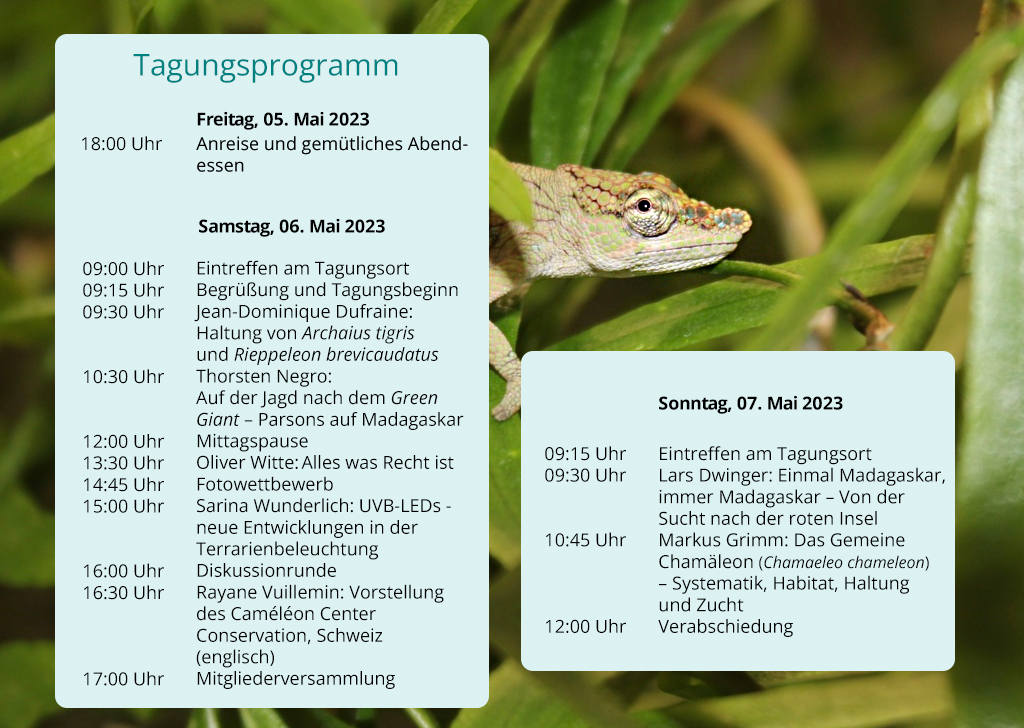
After we were able to publish a preview of the conference programme in December last year, we now have the final conference programme. This year’s conference will take place from 05 to 07 May 2023 in the tranquil town of Boppard am Rhein. As experience shows that the weekends in Boppard are booked up quickly, we recommend that you look for a hotel or guesthouse soon. Our programme has become a nice mixture of keeping reports, general terraristics and travel reports. Friday is the traditional day for arrival and a pleasant dinner in the local restaurants.

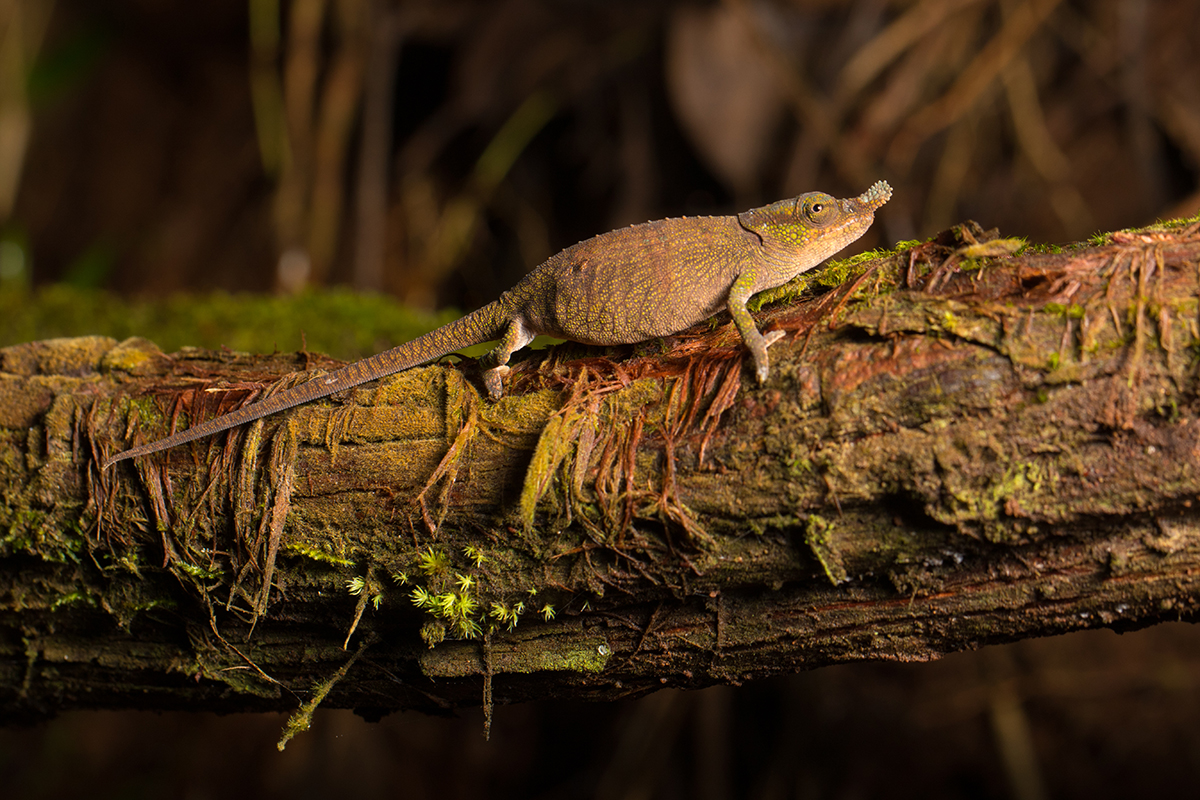
Saturday starts with a classic husbandry and breeding report. Jean-Dominique Dufraine has been keeping Rieppeleon brevicaudatus and Archaius tigris for several years. He talks about his experiences in breeding, but also in the everyday keeping of the two species. Afterwards, Thorsten Negro will take us on a search for Parson’s Chameleons in their natural habitat in Madagascar.

In the afternoon, Oliver Witte will give us an exciting insight into law, legislation and terrarium keeping – don’t worry, it won’t be as dry as it sounds, but very interesting for chameleon keepers. As a highlight, the physicist Sarina Wunderlich from www.lichtimterrarium.de has also agreed to join us. LEDs are becoming increasingly popular in terrarium keeping, not least because they can save a lot of electricity. Sarina will show us the advantages and risks of LEDs and discuss the latest development, UV LEDs. After these two presentations, we have planned plenty of time for discussion and questions, because there will certainly be plenty to talk about. At the end of Saturday, Rayana Vuillemain will introduce us to the Association Caméléon Centre Conservation (Switzerland) – this is the only presentation in English.

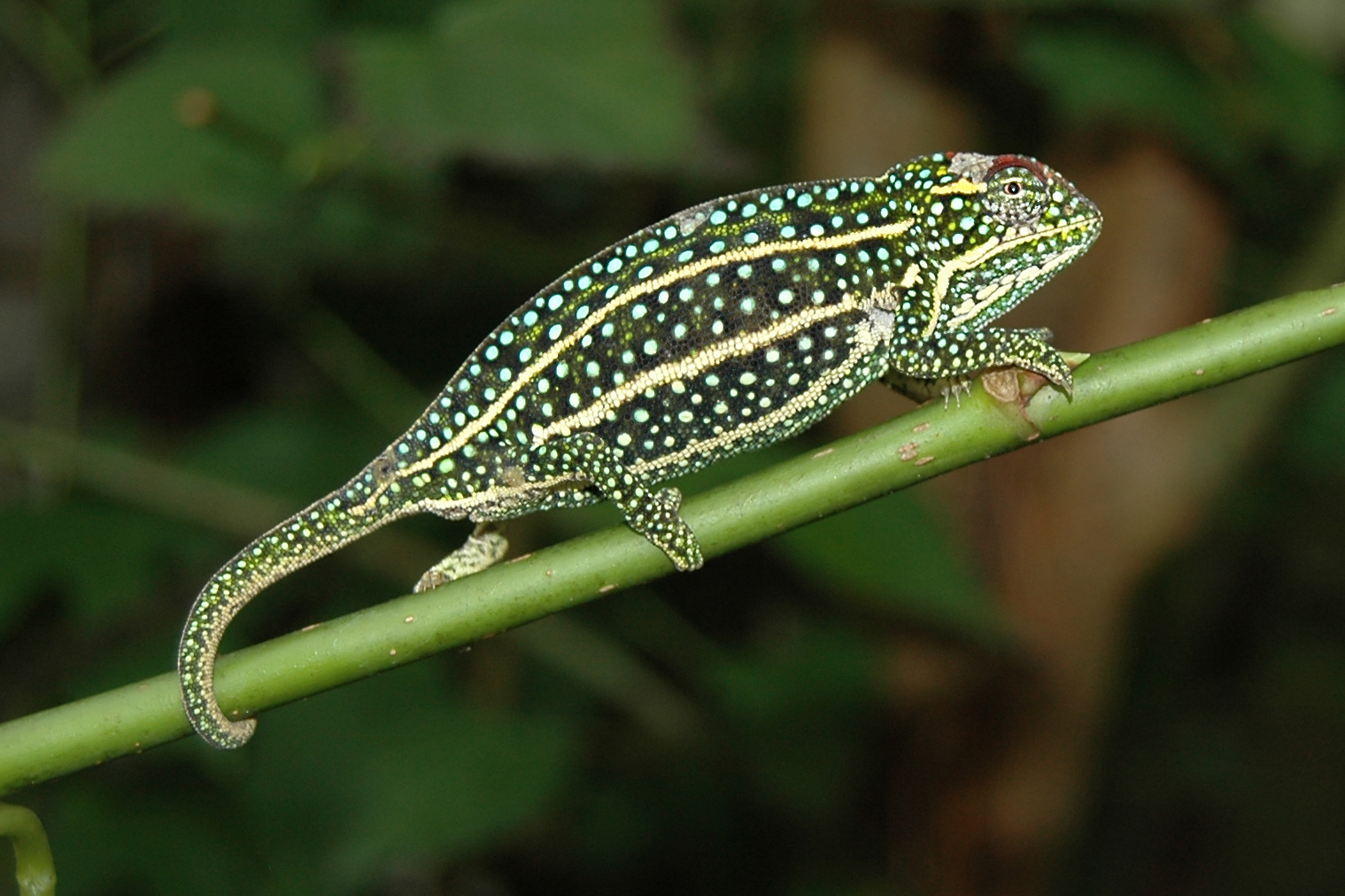
Sunday will be another colourful day: Lars Dwinger will report on a Madagascar trip to the southern highlands and the central east of the island. He travelled between carpet chameleons and rice fields as well as in the rainforest of Ranomafana, where he met a variety of small and large chameleons. Markus Grimm will conclude with an overview of Chamaeleo chamaeleon in its natural habitat in Europe as well as keeping and breeding them in terrariums.

We are very much looking forward to a nice meeting and many chameleon friends!
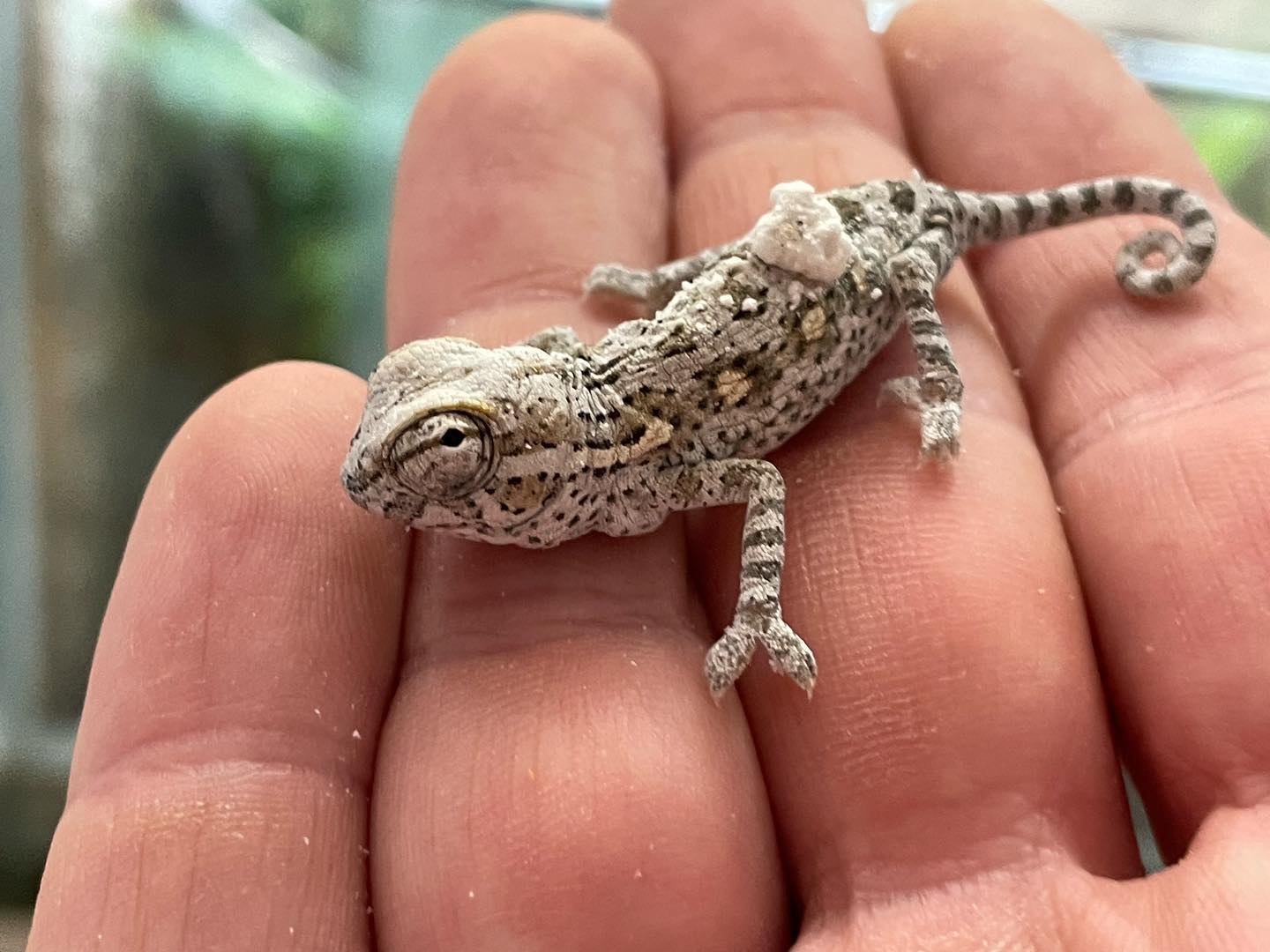
Chamaeleo namaquensis offspring in the AG

Chamaeleo namaquensis offspring in the AG

AG Interna Nachzuchten

A great breeding success was achieved by AG-member and former AG-speaker Timo Weiß this week: His Chamaeleo namaquensis offspring hatched successfully. Congratulations!

The Namaqua chameleon is one of the few existing chameleons that actually occur in real deserts. It lives in the wild in Namibia, South Africa and Angola on the African continent. Unlike many other chameleon species, it inhabits mainly the ground and low shrubs.

Photo: One-day-old juvenile on the hand of the successful keeper

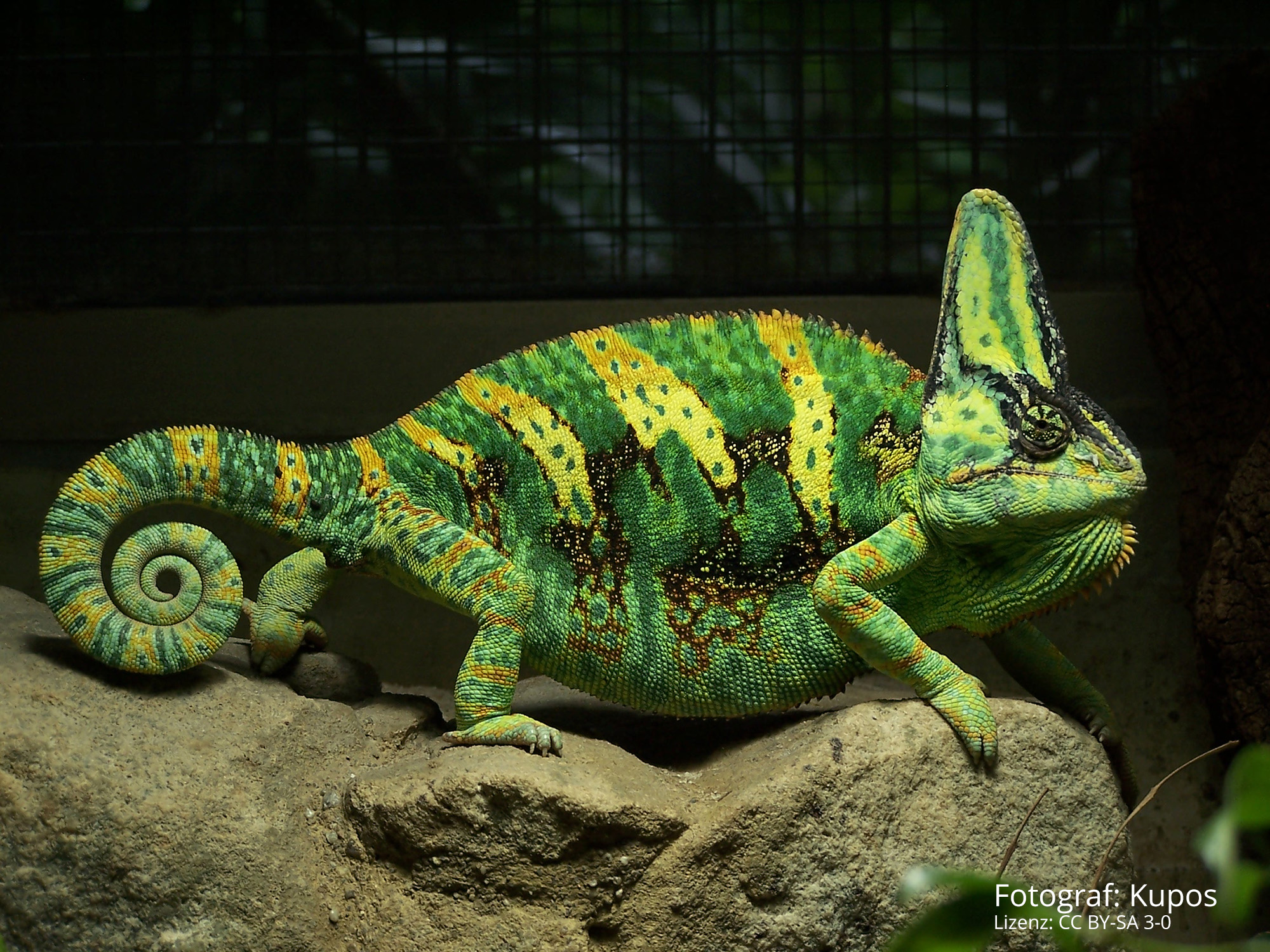
Comparisons on limbs of Hadramaut agama and Veiled Chameleon

Comparisons on limbs of Hadramaut agama and Veiled Chameleon

Science

A Yemeni biologist at Al Saeed University recently took measurements on two different reptile species to compare their forelimbs and hindlimbs structurally and functionally. Both the Hadramaut Agama (Acantocercus adramitanus) and the Veiled Chameleon (Chamaeleo calyptratus) occur in the same habitats in Yemen, but they inhabit different microhabitats and move differently. While the agama lives mainly on the ground and in low bushes, the Veiled Chameleon is a pure tree dweller.

For the study, 10 specimens of each species were taken from the wild in Taiz. The head-torso length of the agamas ranged from 52 to 125 mm, and that of the chameleons from 90 to 200 mm. The animals were killed and the limbs were removed, stained, and then measured.

The structure of the limbs was basically the same in both species, but the hands and feet were clearly different. The Hadramaut Agama has five carpal bones, whereas, in the Veiled Chameleon, the distal carpal bones 2,3, and 4 are fused. Both species lack distal tarsal bones 2 and 5. The Veiled Chameleon lacks the sesamoid ossicles, which are variable in the agama. As expected, the long bones of the Veiled Chameleons were almost equally long on the forelimbs and hindlimbs, while in the agamas the forelimbs were significantly shorter than the hindlimbs. Overall, all long tubular bones were longer in the chameleon than in the Hadramaut Agama.

The skeletal characteristics of limb of two endemic lizard species (Acantocercus adramitanus and Chamaeleo calyptratus) in Yemen
Yaser H.A. Obady
Al-Saeed University Journal of Humanities and Applied Sciences 06 (1) 2023: pp. 188-210
DOI: 10.17161/randa.v30i1.18614

New distribution data on Chamaeleo zeylanicus

New distribution data on Chamaeleo zeylanicus

Verbreitung Science

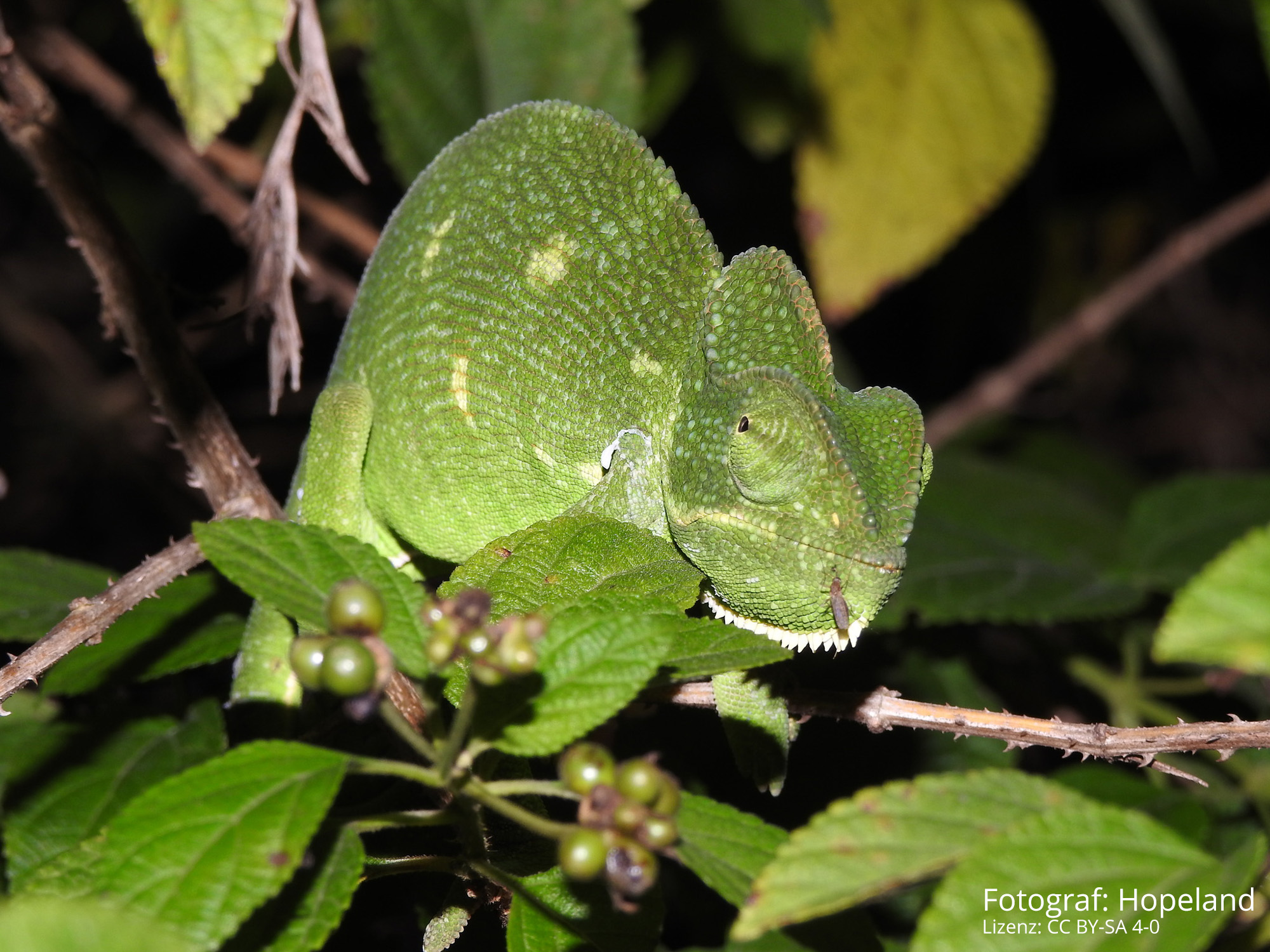
A biologist from India has published findings of the Indian Chameleon (Chamaeleo zeylanicus) that narrow down the distribution of the species more precisely. The Aravalli Mountains are located about 150 km west of the Indian capital New Delhi in northwest India. It runs for 670 km in a south-westerly direction, passing through three different states: Haryana, Rajasthan, and Gujarat. Until now, the Indian chameleon was thought to occur in the south and centre of Rajasthan, but was not common in the north, east, or west. So far, no findings had been documented from Haryana at all.

The biologist describes six observations of the Indian Chameleon between 2015 and 2022, during which Chamaeleo zeylanicus was seen four times in the Sariska Tiger Reserve and once each at Manesar and Damdama lakes, at altitudes between 223 and 476 m asl. The former is in northern Rajasthan, the two lakes not far from it in southern Haryana. The forest of the site in the Sariska Tiger Reserve is dominated by Indian lungwort (Adhatoda vasica), prairie mugwort (Parthenium integrifolium) and mesquite tree (Prosopis juliflora). The chameleons found in Haryana were found on roadsides with carira (Capparis decidua) and mesquite trees.

New distributional records of Asian Chameleons (Chamaeleo zeylanicus Laurenti 1768), from the Northern Aravali Hill range, India
Debaprasad Sengupta
Reptiles & Amphibians 30 (1), 2023: pp. 1-2
DOI: 10.17161/randa.v30i1.18614

Keeping and breeding Calumma linotum

Keeping and breeding Calumma linotum

Haltungsberichte

The keeping and breeding of small chameleons of the genus Calumma has so far, apparently, only found enthusiasts on a rather small scale. So it is all the nicer that a new report on the keeping and especially the successful breeding of Calumma linotum has just been published. Michael Nash from the USA has been keeping the species for over three years and gives a detailed account of his experiences.

He keeps his animals in the terrariums commonly used over here with a completely ventilated lid and either vents in the front bottom or the entire front as ventilation, living plants, and living substrate. T5 tubes with and without UV-B are used for lighting. For food he uses fruit flies (Drosophila spp.) to a good 50%, and otherwise among other things small crickets, house crickets, blowflies, and mantid nymphs.

The best breeding successes are achieved by keeping them individually and putting them together for a few days to mate during the imitation rainy season. To induce mating behaviour, dry and rainy seasons are imitated. The dry season is mainly characterised by a massive night-time drop in temperature to 10°C and less irrigation. During the imitated rainy season, temperatures rise to around 26°C during the day and 18-21°C at night, and there is also increased irrigation during the day.

The females lay 2-3 eggs after an average of 22 to 40 days of gestation. So far, it has been noticed that mated females of the species are capable of fertilisation for an unusually long time, namely up to five clutches. The eggs are first incubated at 16 to 21°C for two to four weeks. This is followed by a diapause of 30 to 45 days at 10 to 15°C. The eggs then lie in daytime conditions. Afterwards, the eggs lie at 22°C during the day and between 16.7 and 19.5°C at night. If the eggs do not show any embryonic and vascular development during shearing after the diapause, it is possible to imitate a second diapause – at the latest, after this, the first egg development should be visible. After 5 to 7 months, active young hatched under these incubation conditions. The author has successfully hatched eleven clutches so far.

All in all, a very readable husbandry report, which hopefully supports other keepers in breeding and long-term conservation of this interesting, small species in the terrarium.

Keeping and breeding Calumma linotum
Michael Nash
Responsible Herpetoculture Journal 7, 2023
keine DOI vorhanden

Unusual parasite discovered in Furcifer campani

Unusual parasite discovered in Furcifer campani

Tiermedizin Science

Physiologists, microbiologists and veterinarians from the USA recently described an unusual case of a parasite infestation in Furcifer campani. This is probably the new discovery of an as-yet-undescribed chameleon parasite.

In 2021, 11 Furcifer campani had been imported from Madagascar as wild-caught specimens and were kept privately. Two months after importation, unusual behaviour was noticed in one male and one female of the group. The two animals basked in the sun for unusually long periods of time, specifically seeking out temperatures of 29-30°C as well as places with enormously high UV indices compared to the other chameleons. Within the next three months, both Furcifer campani visibly lost weight, although the food supply was increased and a good food intake could be observed. At the same time, a lighter skin colouration was noticed. Faecal examinations by flotation were negative. Finally, both chameleons became lethargic, and closed their eyes during the day. A bloated abdomen and increased watery faeces were observed. Both Furcifer campani died.

Histological examination confirmed muscle atrophy and cachexia. Massive infiltration of the liver and gastrointestinal tract with large amounts of spores could be detected in both chameleons. The spores proved positive in Grocott’s methenamine-based silver stain and the PAS stain. Morphologically, the spores were classified as Dermocystidium-like. Investigations by PCR revealed a high similarity with Dermocystidium salmonis, but the exact pathogen could not be determined with certainty.

The genus Dermocystidum is a parasitic microorganism that is classified as a protist (it is neither a fungus nor an animal or plant). It is interesting that they have so far been known mainly from fish and amphibians, occasionally also from mammals. So far, not a single case of infestation with Dermocystidium has been described from reptiles. It could therefore be an undescribed, new species that is possibly even chameleon-specific. Effective therapy is not yet known.

A unique disease presentation associated with a mesomycetozoean-like organism in the jeweled chameleon (Furcifer campani)
Michael Nash, Emily A. McDermott, Ashley K. McGrew, Juan Muñoz, Dayna Willems
Journal of Herpetological Medicine and Surgery, February 2023
DOI: 10.5818/JHMS-D-22-00033

Minimally invasive methods for obtaining DNA samples from chameleons

Minimally invasive methods for obtaining DNA samples from chameleons

Tiermedizin Science

To reliably identify or compare chameleon species, genetic samples of the animals concerned are necessary. Traditionally, scientists have used organ or muscle samples from euthanized chameleons in museum collections or – less commonly – cut tail tips or blood samples from living chameleons. Researchers at the American College in Athens, Greece, have studied whether more minimally invasive methods would also be a good alternative.

They sampled 23 Chamaeleo africanus in the area of the lagoon of Pylos (Divari wetland between Gialova and the bay of Voidokilia) in the Peloponnese in Greece using buccal swabs. This involves running a sterile swab on the inside of the cheek through the chameleon’s mouth for six seconds. Blood was taken from the ventral tail vein of eight other Chamaeleo africanus for comparison. Sampling took less than a minute. Afterward, the chameleons were returned to where they were found. The swabs were transported refrigerated in a special buffer solution in Eppendorf cups and then frozen.

In the laboratory, the researchers were able to extract both nuclear and mitochondrial DNA from all the swabs. However, the quantity and quality of the DNA extracted were lower than in the blood samples. For most applications such as PCR amplification and gene sequencing, however, the scientists said the quantity was sufficient. In terms of invasiveness and destructiveness, buccal swabbing is certainly preferable to killing or injuring individual chameleons. Studies on other reptiles suggest that rapid freezing is not mandatory either – in the field, a functioning cool chain could become a problem in many chameleons’ countries of origin. The current study advises against ethanol as a fixing solution; the buffer solutions used lead to better results.

Buccal swabbing appears to be less applicable for cases where additional material for future studies might be preserved, for example when describing new species, or when sequencing the entire genome. However, the method is certainly a good alternative, especially for particularly small chameleon populations where lethal sampling could already significantly limit the breeding pool.

Buccal swabs as an effective alternative to traditional tissue sampling methods for DNA analyses in Chamaeleonidae
Maria Koutsokali, Christina Dianni and Michael Valahas
Wildlife Biology
DOI: 10.1002/wlb3.01052

Introduced chameleons in Florida

Introduced chameleons in Florida

Science

The “Sunshine State” Florida in the southeast of the USA has long been known for a variety of introduced reptiles. Students at the University of Florida recently published a small brochure on the current status of chameleon species introduced there.

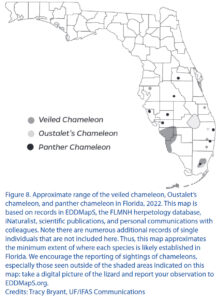
As early as the late 1800s, a non-native reptile was documented to have found its way to Florida by ship: an anole. Since then, some 150 introduced species have been documented in the US state, including eight species of chameleons. Three of them are now spread over the entire southern half of the peninsula and even reproduce: the Yemen chameleon Chamaeleo calyptratus, the Malagasy Giant chameleon Furcifer oustaleti, and the panther chameleon Furcifer pardalis.

Current known distribution of Panther, Veiled, and Malagasy Giant Chameleons in Florida.

All three species are thought to have come into the country with increasing pet trade and private keeping of chameleons. Furcifer oustaleti has been in Florida since at least the year 2000. At that time, the first findings became known in an avocado plantation located in the immediate vicinity of the buildings of a former importer in Miami – Dade County. Chamaeleo calyptratus was first recorded in Fort Myers on a vacant lot only a little later, in 2002. Furcifer pardalis followed in 2008.

The question of whether any of the three species mentioned should be considered invasive is difficult to answer so far due to a lack of data. A species is considered invasive if it is non-native, has been introduced by humans, and has been proven to cause damage to native flora and fauna. The last point, however, is debatable. While Jackson’s chameleons in Hawaii have been shown to consume endangered native snail species, among others, the same is not yet known from Florida. There, the animals are currently considered more of a nuisance, but with the potential to threaten the native invertebrate fauna.

The problem is that chameleons are still being released – sometimes they escape unintentionally, but sometimes they are deliberately released in order to collect and sell the offspring later. For the latter, you need a permit in Florida. Interesting to note: Anyone is allowed to kill introduced chameleons on their own property “in a humane way”. In some places, chameleons are already being collected to be sold to private owners.

The students call for observations of chameleons in Florida to be reported on the internet via IveGot1.org or via the app of the same name. So far, not all populations are known, as much information is only passed on by hand. Furthermore, they ask that chameleons that have become a nuisance should not be abandoned, but handed into the Exotic Pet Amnesty Program of the Florida Fish and Wildlife Conservation Commission. The surrender there is free of charge, and the EPAP is ultimately looking for new keepers for the animals.

Florida’s introduced reptiles: Veiled Chameleon (Chamaeleo calyptratus), Oustalet’s chameleon (Furcifer oustaleti), and panther chameleon (Furcifer pardalis)
Max Maddox, Karissa Beloyan, Natalie M. Claunch, Steve A. Johnson
Veröffentlichung des Wildlife Ecology and Conservation Department, Universität of Florida
DOI: 10.32473/edis-UW501-2022