Aggressive fungal pathogen discovered in panther chameleons

Aggressive fungal pathogen discovered in panther chameleons

Tiermedizin Science

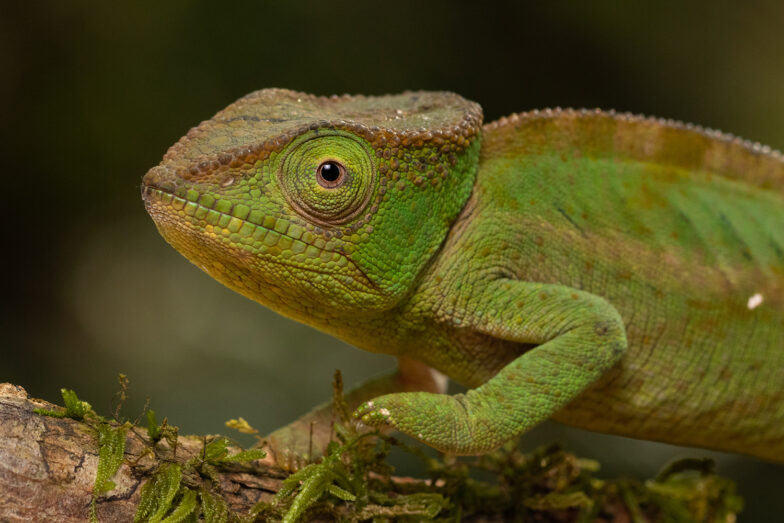
Fungi of the genera Nannizziopsis and Paranannizziopsis have long been known to cause severe skin diseases in various reptiles. These include species feared in herpetocolture such as CANV (Chrysosporium Anamorph of Nannizziopsis vriesii) and Nannizziopsis dermatitidis, which are apparently obligate pathogens. Now, a similar skin fungus has been detected in panther chameleons in Florida, USA.

Nine adult panther chameleons (Furcifer pardalis) were taken from a wild population in Florida. They were first housed in groups of two or three chameleons in screen cages with natural and artificial plants at a private keeper. A ReptiSun 5.0 lamp and a conventional light bulb were used. The animals were fed with crickets and zophobas every second day and supplemented with vitamins and calcium. All nine panther chameleons, plus a tenth that was captured later, were finally given to the United States Department of Agriculture (USDA) for a series of experiments. They were kept individually in steel aviaries outdoors.

Subsequently, the eight remaining panther chameleons were also examined. In fact, all but one of the chameleons were found to have either missing claws or swelling of the hands and feet, small skin wounds, circumferential proliferation on the body and/or yellow and black skin lesions. Fungal PCR was no longer carried out, but infection with the same pathogen was suspected. All nine panther chameleons still alive were treated with 25 mg/kg terbinafine and 5 mg/kg voriconazole, both given orally once daily.

After six weeks, the panther chameleons were examined again. The skin lesions were still present, in two animals the hand and foot swellings had decreased. After eleven to twelve weeks of treatment, all symptoms had disappeared in seven chameleons. The skin lesions had developed into scars. Only two chameleons still showed swelling in the foot area, but less than at the beginning of treatment. After 14 weeks of therapy, another panther chameleon died. The autopsy revealed kidney and organ damage as the cause of death. Since the contribution of the medication used to the death of the chameleon could not be ruled out, the therapy was terminated in week 15 for six of the eight panther chameleons. The two panther chameleons that still showed swelling of the feet were treated for another two weeks.

This case report is the first detection of Paranannizziopsis australasiensis in chameleons. So far, this fungal pathogen has only been found in green iguanas and Eastern bearded dragons in herpetoculture and in Tuataras, skinks, geckos, and snakes in nature. It remains unclear where the panther chameleons became infected. Three of the screen cages used in the initial private husbandry had previously been inhabited by Veiled Chameleons (Chamaeleo calyptratus) and Knight Anoles. The private keeper had disinfected the terrariums with chlorine bleach. The rest of his reptile population showed no skin lesions. The aviaries used later at the USDA had been empty for years and had previously only been inhabited by small birds. It is possible that the fungal pathogen had been introduced via potted plants from nurseries that regularly observe native reptiles on the premises. However, Paranannizziopsis australasiensis has not been found in any other wild reptile species in Florida to date.

The most likely scenario seems to be that the chameleons were already infected before they were caught in Florida, but the disease only broke out later. The original animals of the population could have been infected by bearded dragons in the pet trade a good decade ago. A latent infection with a late onset is supported by the fact that most of the skin lesions in this case report were found in winter, after temperatures had dropped below 10°C. Moreover, before the onset of symptoms, so-called “thermal limit trials” were carried out, in which the animals were briefly exposed to extreme temperatures of up to 45°C and 6°C. Another chameleon from the same population was caught at a later time and also developed skin lesions, which indeed suggests an infected population in Florida.

A free-ranging chameleon population infected with Paranannizziopsis australasiensis could pose a huge risk to native reptiles. The fungal pathogen is known to be highly infectious and aggressive. In addition, free-ranging panther chameleons in Florida are now being captured by dealers and sold to private owners, which could result in the spread of the disease in private reptile populations. Further research is urgently needed to clarify the extent of the current occurrence of Paranannizziopsis australasiensis in Florida, both in herpetoculture and in the wild.

Dermatomycosis caused by Paranannizziopsis australasiensis in nonnative panther chameleons (Furcifer pardalis) captured in Central Florida, USA
Natalie M. Claunch, Colin M. Goodman, Madison Harman, Mariaguadalupe Vilchez, Savanna D. Smit, Bryan M. Kluever, James F.X. Wellehan, Robert J. Ossiboff, Christina M. Romagosa
Journal of Wildlife Diseases (4), 2023
DOI: 10.7589/JWD-D-22-00018
Hand-made stuff at our conference

Hand-made stuff at our conference

AG Interna

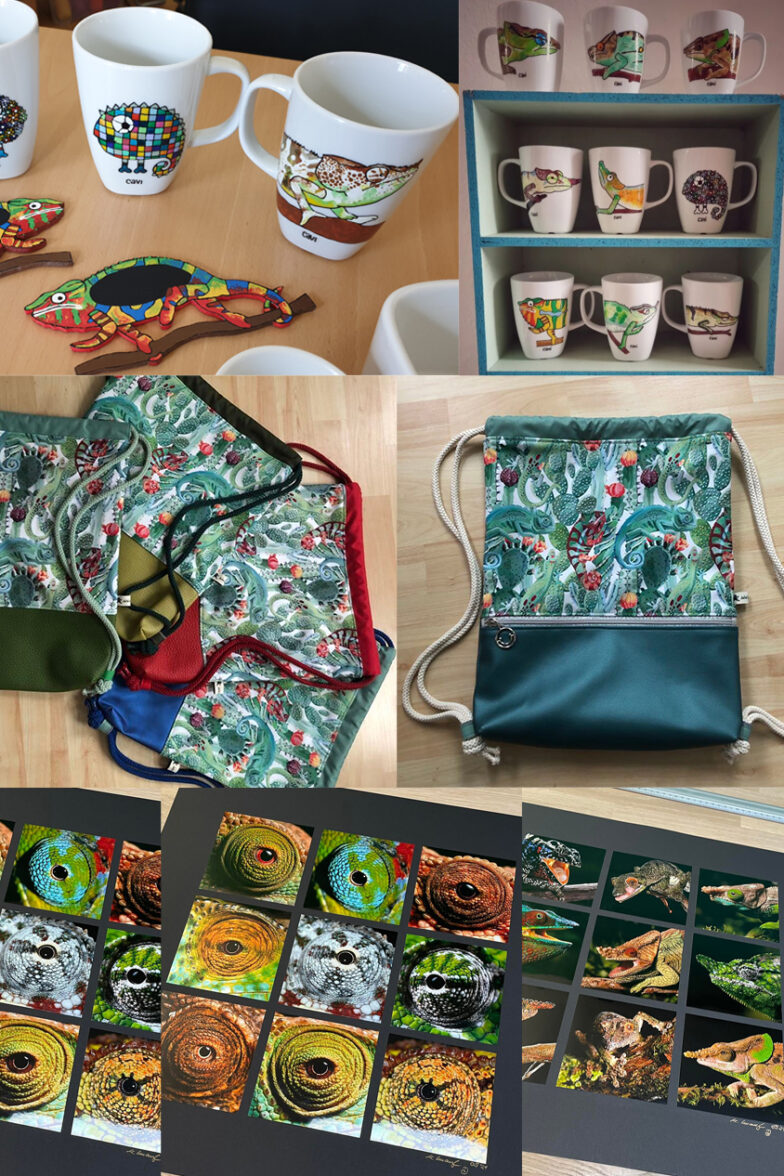
As every year, some of our AG members will bring great handmade things with chameleon motifs that can be purchased directly on site.

Firstly, Caro Vierbücher will bring a selection of her creative handicrafts. These include small decorative tiles, cups, bowls, egg cups, and other beautiful things, but also wooden plugs and inscribable wooden motifs to attach to the terrarium. Everything is lovingly hand-painted by Caro at home. Our presenters this year and the winners of the photo competition can each look forward to receiving one of our coveted conference collector’s mugs from Caro. This year a very beautiful Furcifer timoni adorns the cups.

For the first time this year, Jutta Dwinger will bring a selection of her handmade bags and pouches with chameleon motifs to the conference. These include very high-quality gym bags with and without zips as well as chic toiletry bags for the chameleon friend who loves to travel. Other small or larger works of art can also be sewn on request.

Also at the conference, Martin Knauf will bring some of his photo tableaus, which can be purchased on Saturday. The tableaus each contain nine matching motifs, measure 50 x 50 cm and come with high-quality Nielsen aluminium frames. Photos, cutting and sorting are done by Martin himself. Special requests can also be taken into account.

Chameleons at different altitudes of the Amber Mountain (Madagascar)

Chameleons at different altitudes of the Amber Mountain (Madagascar)

Science

International scientists have intensively studied the different altitudes of the Amber Mountain and the amphibians and reptiles found there. The Amber Mountain (French Montagne d’Ambre) is a former volcanic massif in northern Madagascar. The mountain, which is up to 1475 m high, is mainly covered by rainforest, which belongs to the national park of the same name. To the north of the mountain is a dry forest that belongs to the Forêt d’Ambre Special Reserve. The north-western flank of the mountain has not yet been protected.

In the present work, amphibians and reptiles were observed and sampled over 12 km between 700 and 1470 metres altitude. The western slope of the Montagne d’Ambre at altitudes between 770 and 1290 m was also included in the study for the first time. In addition, animals were sampled in the Forêt d’Ambre from 470 m altitude. All animals found were measured. Cheek swabs, scales as well as live animals that had been euthanised were collected and genetically analysed. A total of 2631 observations of 34 species of amphibians and 48 species of reptiles were made. As expected, different animals occurred at different altitudes. The species richness of the Montagne d’Ambre was greatest at around 1000 m a.s.l. with 41 different species. Above 1100 m, about one third of the species found were locally endemic.

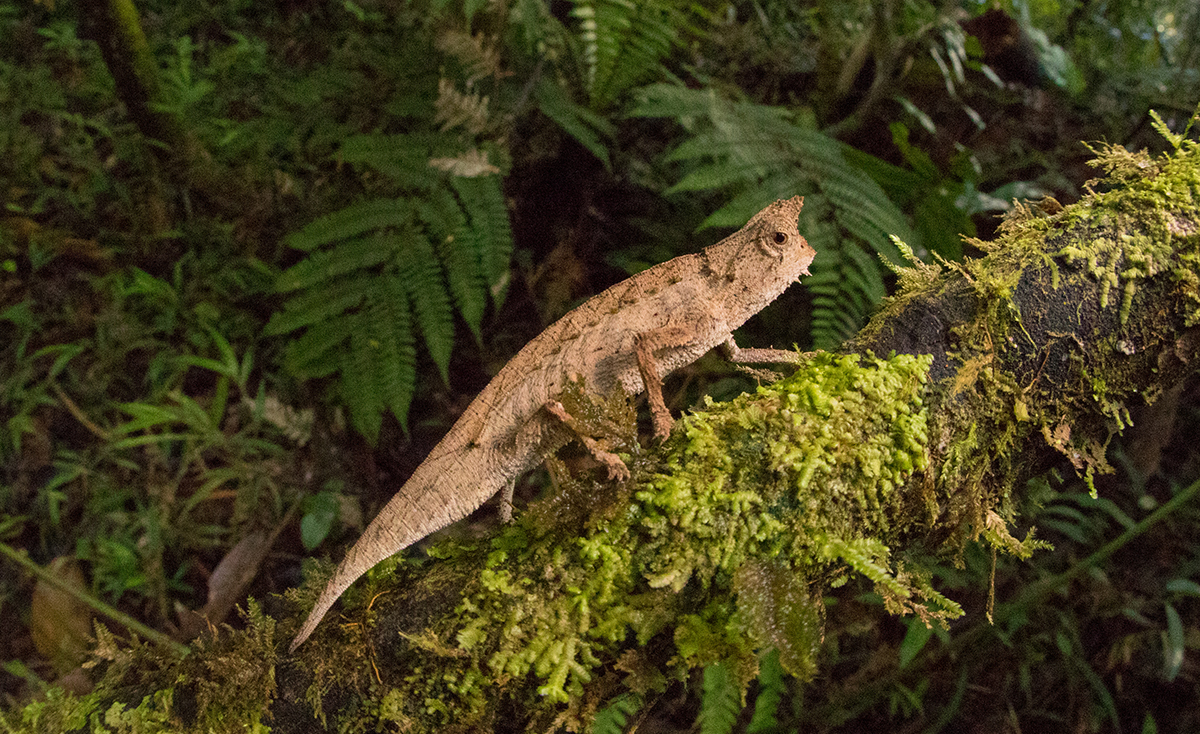
Two genetic clusters of the earth chameleon Brookesia tuberculata have been identified. Group 1 lives on the eastern flank of the Montagne d’Ambre at altitudes of 887 to 1170 m, group 2 at 1260 to 1455 m on the eastern flank and at 956 to 1150 m on the western slope of the Montagne d’Ambre. Group 1 showed a particularly high number of mitochondrial haplotypes, while group 2 had only one haplotype. The scientists assume that due to their small body size and high site fidelity, the species tends to form isolated groups rather than tree-inhabiting chameleons, which can overcome natural barriers more easily and thus move within a much larger environmental radius.

In Calumma linotum, the genetic differences between three groups at different altitudes were rather small. The measurement data of various body dimensions also showed no clear trend for this species at the different altitudes. Although Calumma linotum appeared to be slightly smaller at lower altitudes, this could have been due to subadult individuals misidentified as females. For Calumma amber and Calumma ambreense, body size decreased the higher the chameleons were found in the Montagne d’Ambre. This may be related to the cooler temperatures at higher altitudes, which contribute to slower growth. But it could also be that more younger animals were simply measured.

The study reveals interesting adaptations of different chameleon species to the altitudinal differences of the Montagne d’Ambre. It is possible that these are already the first indications of an early stage of speciation. The work also illustrates how important the different altitudinal levels are for species diversity.

Repeated divergence of amphibians and reptiles across an elevational gradient in northern Madagascar
Mark D. Scherz, Robin Schmidt, Jason L. Brown, Julian Glos, Ella Z. Lattenkamp, Zafimahery Rakotomalala, Andolalao Rakotoarison, Ricky T. Rakotonindrina, Onja Randriamalala, Achille P. Raselimanana, Safidy M. Rasolonjatovo, Fanomezana M. Ratsoavina, Jary H. Razafindraibe, Frank Glaw, Miguel Vences
Ecology and Evolution 13 (3)
DOI: 10.1002/ece3.9914

Movement pattern of Brookesia superciliaris

Movement pattern of Brookesia superciliaris

Science

Until now, movement patterns in chameleons have mainly been studied in tree-dwelling species. The predominantly ground-dwelling genera such as Brookesia, Rhampholeon, Palleon and Rieppeleon, which represent about a third of all currently known chameleons, have only rarely been considered. A group of US researchers has now taken a closer look at the terrestrial chameleon Brookesia superciliaris.

The movement of living Brookesia superciliaris on different surfaces was measured and comparisons made with tree-dwelling chameleons and other lizards. Surprisingly, the terrestrial chameleons showed movement characteristics of both tree-dwelling and ground-dwelling animals. Brookesia superciliaris moved slower on branches than on substrate imitating soil. The gait speed was mainly regulated by the step frequency and not by the step length. Although at the beginning of a step the upper arm is strongly extended, a typical feature of aboreal locomotion, shoulder and hip movements on branches are less than usual for arboreal dwellers. This could indicate a predominantly terrestrial lifestyle. When Brookesia superciliaris moves very slowly, it often uses a very unusual step sequence and lapses into a passing gait. Brookesia superciliaris could be considered an example of an intermediate stage between ground and arboreal dwellers because of its early evolutionary split from the developmental lineage of other chameleons.

Locomotor characteristics of the ground-walking chameleon Brookesia superciliaris
Chukwuyem Ekhator, Arnavi Varshney, Melody W. Young, Daniel Tanis, Michael C. Granatosky, Raul E. Diaz, Julia L. Molnar
Journal of Experimental Zoology Part A 339 (4), 2023
DOI: 10.1002/jez.2703

Presentation in Winterthur about the European Chameleon

Presentation in Winterthur about the European Chameleon

Live lectures

Markus Grimm, a long-time member of the AG Chamäleons and entrusted for many years in Switzerland with conducting expert courses for chameleon keeping, will give a detailed lecture on the European Chameleon on 14 April 2023 in Winterthur (Switzerland).

The European Chameleon (Chamaeleo chamaeleon) in a way describes the archetype of the chameleon as such and thus has status character for the human conception of chameleons. The rather seldom-kept chameleon species makes some demands on keeping and breeding, which Markus was able to fathom during trips to the habitat as well as in captivity. After a short introduction, which includes systematics, Markus gives insights into the habitat of this chameleon in nature. In addition, the audience will learn the most important parameters for successful keeping and breeding in the terrarium. So it will definitely be very exciting – anyone interested in chameleons should definitely watch this lecture!

Markus Grimm The European Chameleon – Habitat, Keeping and breeding in captivity
DGHT City Group Winterthur
Restaurant “Rössli”
8405 Winterthur (Switzerland)
The presentation starts at 8:00 p.m.

Presentation in Dortmund about Madagascar

Presentation in Dortmund about Madagascar

Reiseberichte Live lectures

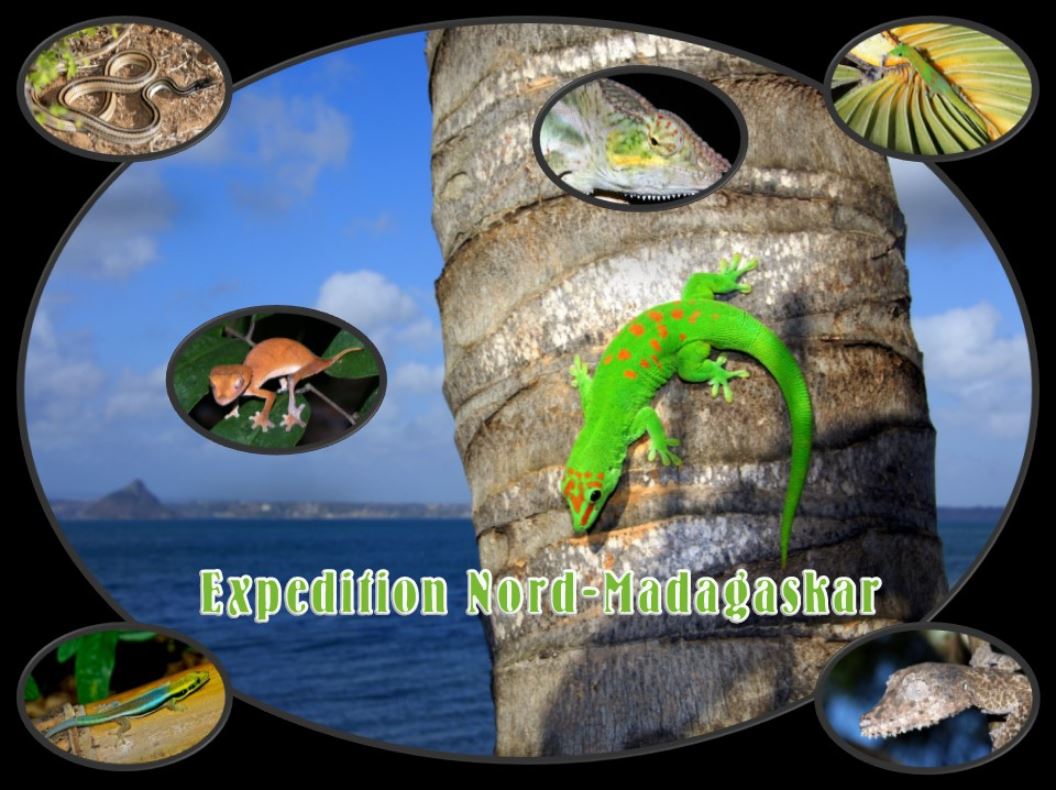
Roland Zobel, a long-time member of the DGHT Dortmund City Group and self-confessed day gecko lover, will give a lecture full of pictures about a trip to the north of Madagascar on 07 April 2023 in Dortmund. There is much to discover in the north of the world’s second-largest island state, not only chameleons.

Roland Zobel Expedition Northern Madagascar
DGHT City group Dortmund
Restaurant “Olympia – Zur alten Post”
Im alten Dorf 2
59192 Bergkamen – Weddinghofen
Start of presentation 07.30 p.m.

Photo: Collage by Roland Zobel

Spines of tree- and ground-dwelling chameleons

Spines of tree- and ground-dwelling chameleons

Tiermedizin Science

Various anatomical adaptations of the spine between ground and tree dwellers are known from mammals, especially primates. In some cases, the different vertebrae are even associated with certain movement patterns and bodily functions. In a comparative study, two scientists from New York (USA) have now investigated how the spine of ground- and tree-dwelling chameleons differs.

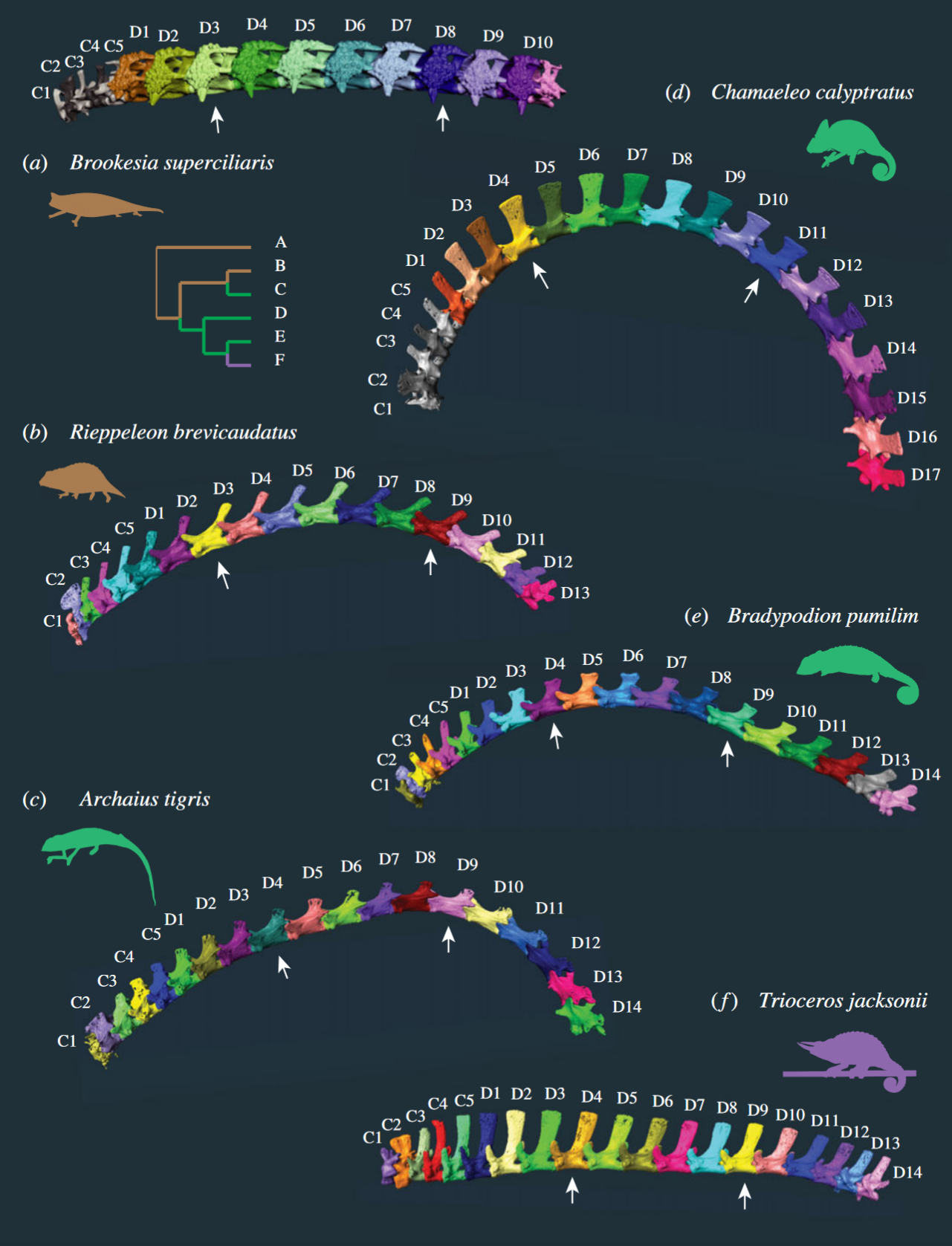
They measured the already existing CT scans on Morphosource.org of a total of 28 chameleons of different species. Brookesia perarmata, Brookesia superciliaris, Brookesia thieli, Palleon nasus, Rhampholeon platyceps, Rhampholeon spectrum, Rieppeleon brevicaudatus and Rieppeleon kerstenii were classified as ground dwellers. Archaius tigris, Bradypodion melanocephalum, Bradypodion pumilum, Bradypodion thamnobates, Calumma amber, Calumma brevicorne, Calumma parsonii, Chamaeleo calyptratus, Chamaeleo gracilis, hamaeleo zeylanicus, Furcifer lateralis, Furcifer pardalis, Furcifer verrucosus, Kinyongia carpenteri, Kinyongia tavetana, Kinyongia xenorhina, Nadzikambia mlanjensis, Trioceros feae, Trioceros jacksonii and Trioceros quadricornis were considered arboreal. The vertebrae were counted and the width of the lamina, length, width, height of the vertebral body, and the height of the spinous process and transverse processes on each vertebra were measured. In addition, the so-called prezygapophysial angle was determined. This is the angle of the intervertebral joint, i.e. the contact surfaces between the individual vertebrae. The measurements of ground and tree dwellers were compared and statistically evaluated. Only the vertebral column of the trunk was considered, the caudal vertebral column was left out.

First of all, the results showed that ground-dwelling chameleons generally have fewer trunk vertebrae (15 to 19) than tree-dwelling chameleons (18 to 23). The trunk spine of almost all species could be divided into the already known three areas: Cervical spine and anterior and posterior dorsal spine. A thoracic and lumbar spine as in mammals is generally not distinguished in chameleons because of the continuous ribs. Five chameleon species had four regions instead of three: they had an anterior and a posterior cervical spine, the anterior one consisting of only two vertebrae with rib processes. Six chameleon species had two additional lumbar vertebrae and one species had three transitional vertebrae in the region between the cervical and dorsal spine. In Kinyongia carpenteri, a total of five regions could be distinguished in the trunk spine: The chameleon had anterior and posterior cervical vertebrae as well as anterior and posterior dorsal vertebrae and two additional lumbar vertebrae. Brookesia perarmata was also a special case: the trunk spine of this chameleon consisted of only two regions and at the same time the smallest number of vertebrae of all species studied.

The greatest differences between ground and tree-dwelling chameleons were found in the prezygapophyseal angle (PZA) and the height of the spinous process. The intervertebral joint surfaces in the anterior dorsal vertebrae of tree-dwelling chameleons were clearly more dorsoventrally oriented and smaller than in ground-dwelling species. Several tree-dwellers showed a PZA of less than 90°. In tree-dwelling chameleons, the largest spinous processes were located at the transition from the cervical to the dorsal spine. Among the ground-dwelling species, the spinous processes were similar only in Palleon nasus. In ground-dwelling chameleons, the appearance of the spinous process varied greatly. Rieppeleon, for example, showed narrow, backward-sloping spinous processes, while the spinous processes in Brookesia were more like a kind of bone bridge than a process. Archaius tigris was an exception: The spinous processes in this chameleon hardly differed along the entire spine.

The authors conclude from the results that the anatomy of the different vertebrae is strongly related to the chameleons’ way of life and different locomotion. The intervertebral joint surfaces in tree-dwelling chameleons are probably important for climbing by supporting the function of the shoulder girdle. Reduced mobility in the mediolateral plane provides greater trunk stiffness, which facilitates climbing in arboreal dwellers. Stiffening of the axial skeleton (skull, trunk spine and thorax) is also known from tree-dwelling mammals. The larger spinous processes in larger chameleons could facilitate shoulder girdle rotation and muscle movement, resulting in increased stride length, better head support, and thus possibly easier feeding.

Morphological and functional regionalization of trunk vertebrae as an adaption for arboreal locomotion in chameleons
Julia Molnar, Akinobu Watanabe
Royal Society Open Science 10, 2023: 221509
DOI: 10.1098/rsos.221509

Illustration: Spines of different chameleon species

Long-term study on sperm collection in chameleons

Long-term study on sperm collection in chameleons

Tiermedizin Science

Assisted reproduction has become increasingly common in the conservation of extremely rare animals such as the Spix’s macaw or northern white rhinoceros in recent years. In reptiles, on the other hand, there have only been a few studies on assisted reproduction, and only a few on chameleons in particular. Scientists from the USA have now conducted a study on male Veiled and Panther Chameleons (Chamaeleo calyptratus and Furcifer pardalis).

At Louisiana State University, 16 males of each species were kept under standardised conditions for over a year. The panther chameleons were purchased from a US breeder, the Yemen chameleons from a dealer who had taken them from the introduced wild chameleon population in Florida. All males were kept individually in ZooMed screen cages, equipped with automatic sprinklers and artificial plants. Temperatures were around 28-29°C during the day with spots to seek higher values. 12 h UV-B irradiation per day was offered. They were fed with crickets and zophobas.

Before the start of the study, all 32 chameleons were clinically examined and parasites were treated. Only after a month of acclimatisation did the actual study begin. During the study year, all chameleons were put under anaesthesia twice a month. Each time, blood was taken from the ventral tail vein or the jugular vein to determine the testosterone concentration. Ultrasound was used to measure the size of the testicles. In addition, each time an attempt was made to obtain sperm by electroejaculation. Electroejaculation involved inserting a small metal probe into the cleaned cloaca. Each chameleon was then treated up to three times in succession with up to 15 electric shocks of 0.1/0.2/0.3 mAs. The semen collection experiments were stopped as soon as the animal ejaculated. The sperm collected was preserved and examined for ejaculate volume, presence of sperm, sperm motility, concentration, and morphology.

The results suggest that Veiled Chameleons follow a so-called prenuptial reproductive strategy under constant husbandry conditions. The testosterone concentration in the blood already increased before the sperm volume of the males had reached its maximum. The months of May, April, and June brought the best sperm volumes, the most sperm was produced by electroejaculations in the third attempt. Testicle sizes also varied throughout the year, with the largest measurements from August to December.

Panther chameleons, on the other hand, seem to follow a postnuptial reproductive strategy. In them, most sperm could only be obtained well after the highest point of testosterone concentration. The electroejaculations worked best in March, April, May and June. Much more often than in Yemen chameleons, electroejaculation in panther chameleons worked already in the first attempt. The size of the testicles also varied throughout the year, but most were largest in the months mentioned above. Together with the factors mentioned above, the volume of ejaculate, sperm concentration, sperm motility and sperm morphology also changed during the year.

The authors recommend that electroejaculation in chameleons should generally only be performed under anaesthesia. The success rate for spermatozoa in the two highest cases was 82 and 88%, which is similar to the success in other reptiles during their reproductive season. The mortality rate among the 32 animals was only 0.12% over the whole year. One panther chameleon died after 10 months during the 20th anaesthesia, after death kidney damage was detected. From the low mortality rate, the authors conclude that electroejaculation rather does not play a role in the development of kidney disease, as was suspected in other studies. However, an examination of the blood for kidney values was not carried out on any of the surviving chameleons after the study. It also remains unclear what role the lack of imitation of rainy and dry seasons during the year plays for both species and their reproductive cycle.

Characterizing the annual reproductive cycles of captive male veiled chameleons (Chamaeleo calyptratus) and panther chameleons (Furcifer pardalis)
Sean M. Perry, Sarah R. Camlic, Ian Konsker, Michael Lierz, Mark A. Mitchell
Journal of Herpetological Medicine and Surgery 33 (1), 2023, pp. 45-60
DOI: 10.5818/JHMS-D-22-00037

Presentation in Hamburg about Namibia

Presentation in Hamburg about Namibia

Reiseberichte Live lectures

The first chairman of the DGHT Landesverband Hamburg will give a lecture full of pictures about a journey to Namibia and western South Africa on 31 March 2023 in Hamburg. The travel goes from Cape Town to the Etosha National Park. Namibia, also called the “Land of Red Silence”, is one of the most fascinating and multifaceted countries on earth. Stops on Rüdiger’s journey included Namaqualand, which welcomed him in glorious blossom, several Namibian mountain ranges, the Namib around Swakopmund with a great reptile tour and a drive through the Welwitschia area, as well as the dune areas near Sossusvlei and the Fish River Canyon. Besides the large mammals of Etosha National Park, Rüdiger’s main focus on this breathtaking trip was, of course, the reptiles – and there were also a few chameleons to see. A firework for nature lovers!

Rüdiger Schlepper Namibia – In 22 days through the Southwest of Africa
DGHT Landesverband Hamburg
Vereinsgaststätte “Am Sportplatzring”
Sportplatzring 47
22527 Hamburg
Presentation starts at 8 pm

Photo: Flower carpet in Namaqualand, photographed by Rüdiger Schlepper