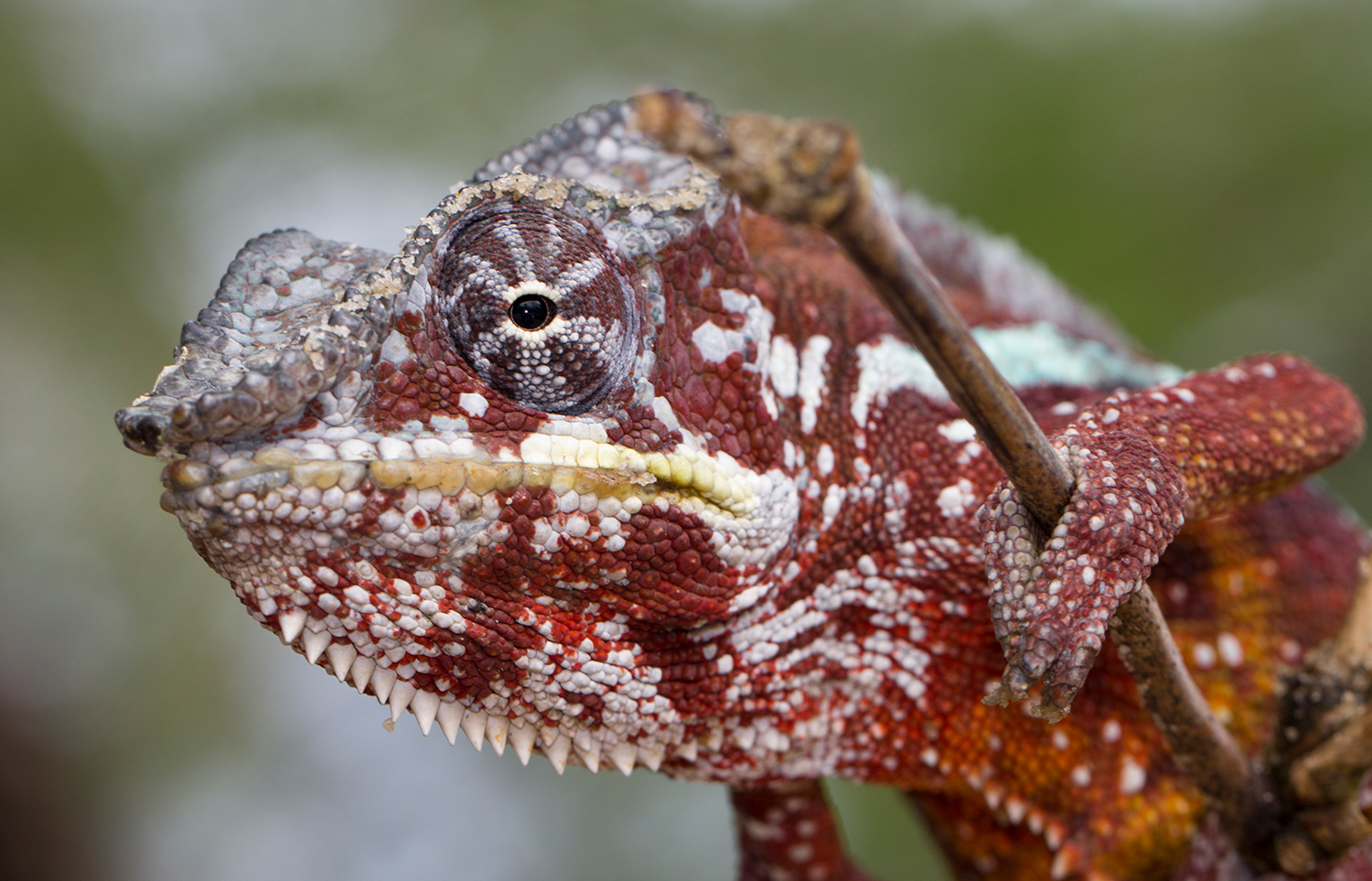
Ultrasound of the urogenital tract in chameleons

Ultrasound of the urogenital tract in chameleons

Tiermedizin Science

In recent years, initial studies have been conducted on imaging in the diagnosis of diseases specifically in chameleons. A further study by veterinarians at the University of Leipzig (Germany) now presents additional comparative data on the urogenital tract of chameleons.

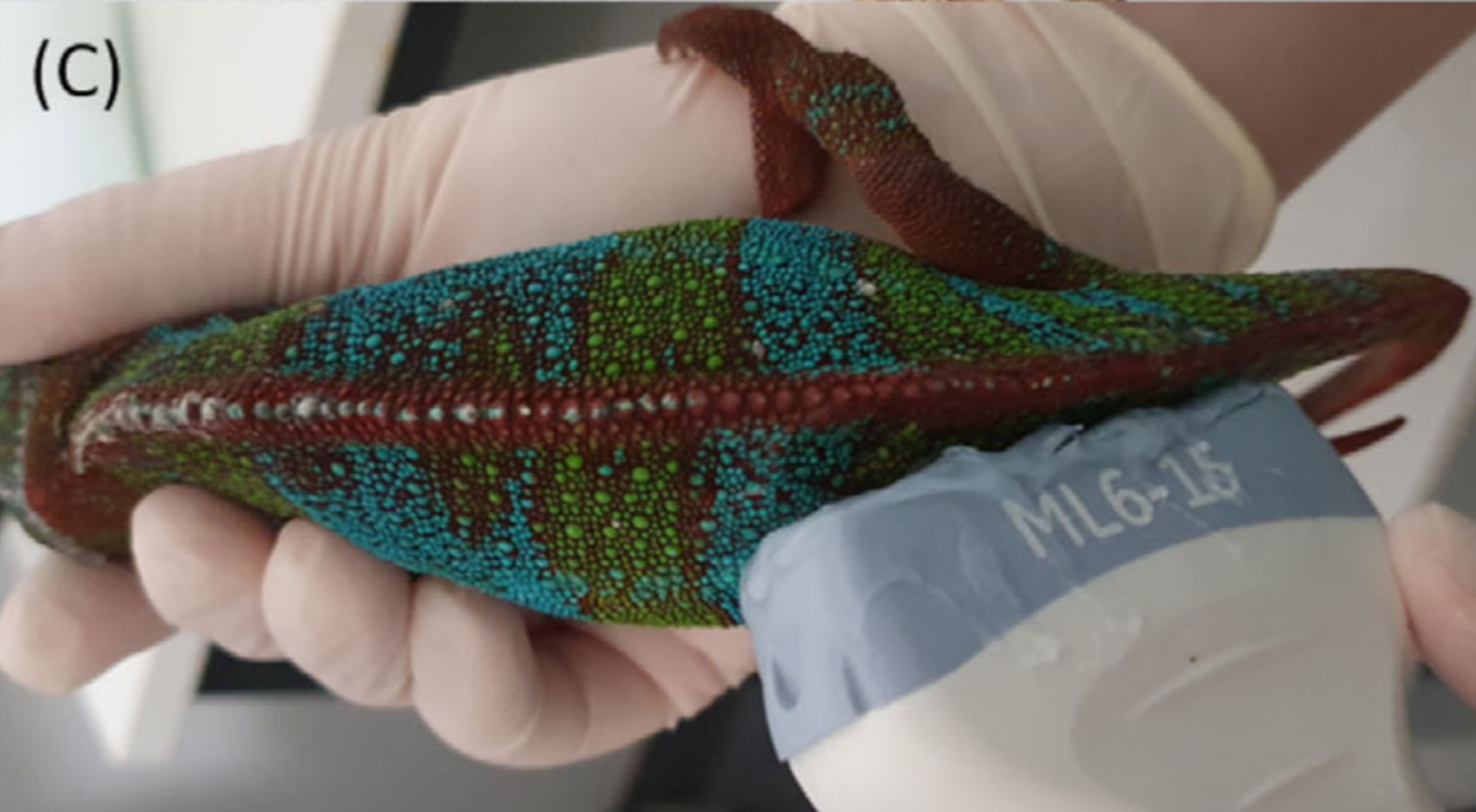
They examined the kidneys, bladder and reproductive organs of 42 lizards brought to the university hospital by private owners using ultrasound. Among the patients were seven Chamaeleo calyptratus and five Furcifer pardalis. Of these 12 chameleons, six were male and six were female. All organs were measured, described and sample images were saved.

Unfortunately, the sex organs of none of the female chameleons could be assessed for the study, as they were either pathologically altered or had already been removed during previous surgery. The most suitable location for coupling the ultrasound probe to the kidneys of the chameleons was found to be approximately one centimetre in front of the hip. The postpelvic portion of the kidneys was always smaller than the prepelvic portion. The kidneys of all male chameleons showed heterogeneous stripes, while the kidneys of the females were always homogeneous. This striping is probably due to sexual segments in the kidneys of males. The kidney tissue was isoechogenic to muscle tissue and more hypoechoic than adipose tissue. The testes of the male chameleons were located in the posterior third of the coelomic cavity, directly below the spine and in front of the kidneys. The right testicle was slightly further forward than the left. The capsule was hyperechoic in all males, while the testicular structure was always homogeneous. The study also provides average measurements of the kidneys and testicles of Yemen and panther chameleons.

The data largely correspond to the data already compiled by Aßmann in 2015 on ultrasound of the urogenital tract of chameleons. Only the kidney length differed significantly (longer) from previous studies.

Comparative sonographic studies of the urogenital tract of lizards
Nils B. Klützow, Volker Schmidt
Veterinary Radiology & Ultrasound 2025, 66:e70075
DOI: 10.1111/vru.70075
Free download of the article

Gene evolution in chameleon teeth

Gene evolution in chameleon teeth

Science

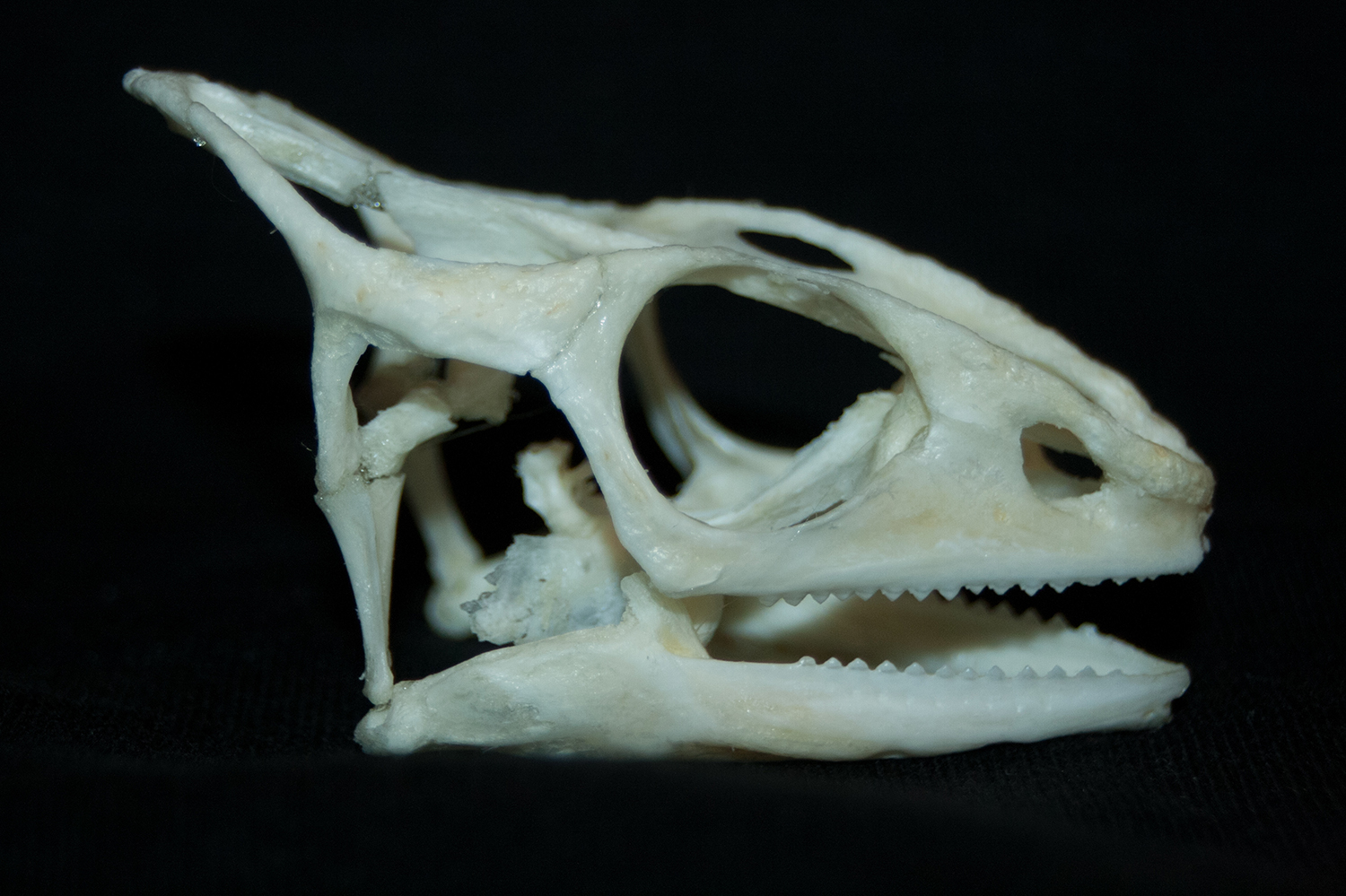
Chameleons have acrodont teeth, which means that their teeth are directly attached to the bone. Mammals, on the other hand, have so-called alveoli in which the teeth are seated. Scientists from Michigan (USA) have now investigated the genetic evolutionary development of tooth structures by comparing mammals with acrodont reptiles.

To do this, they compared the genomes of 24 acrodont reptiles and 12 mammal species. The acrodont reptiles included the chameleon species Furcifer pardalis, Trioceros harennae and Chamaeleo calyptratus, as well as chameleons of the genera Chamaeleo, Bradypodion and Trioceros that were not identified at the species level. The genes for amino acids, from which certain proteins in tooth enamel are built, were compared using various calculations and analyses.

The results showed that the loss of tooth replacement in acrodont reptiles did indeed lead to changes in the genes responsible for tooth enamel formation.

Reduction of tooth replacement disproportionately affects the evolution of enamel matrix proteins
John Abramyan, Gengxin Li, Hannah Khansa
Journal of Molecular Evolution 93, 2025: 494-510.
DOI: 10.1007/s00239-025-10258-4
Kostenloser Download des Artikels

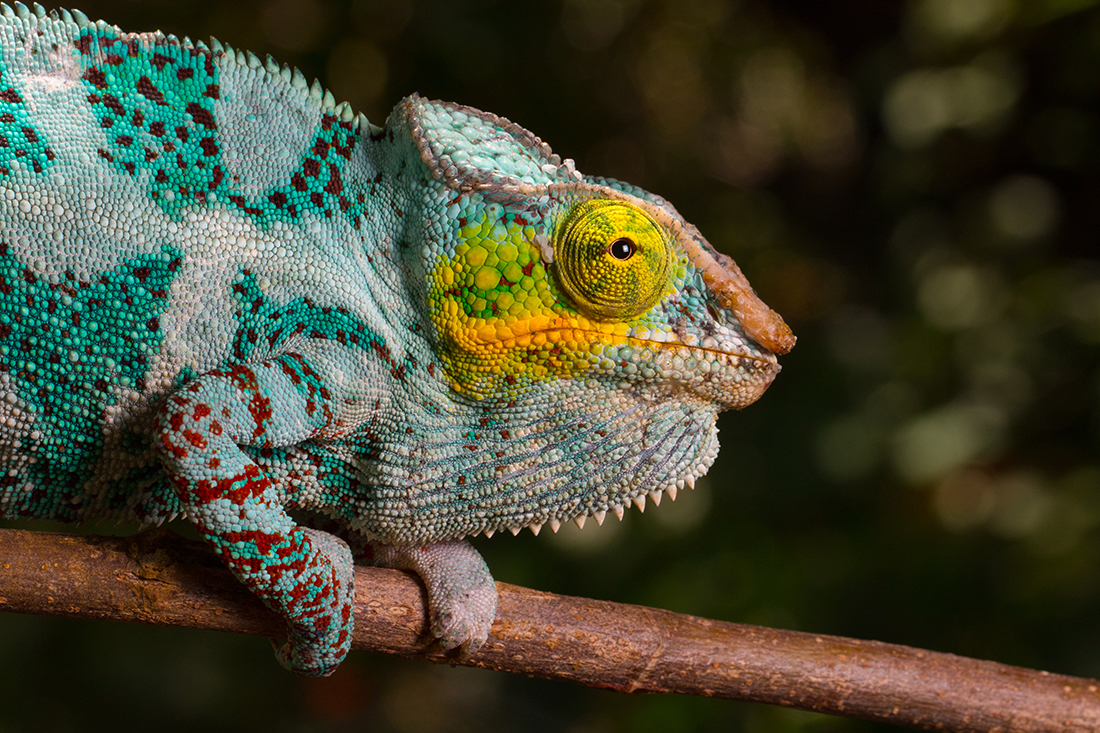
Photo: Specimen of a panther chameleon skull with acrodont teeth, photographed by Alex Negro

Sex chromosomes in chameleons

Sex chromosomes in chameleons

Science

Which sex chromosomes are present in chameleons has so far been studied rather sparsely. The Madagascan chameleon genus Furcifer is known to have Z and W chromosomes, although sometimes several Z chromosomes occur, so-called neo-sex chromosomes. Recently in the Czech Republic, scientists examined this deeper.

Blood and tissue samples were taken from 13 chameleons to isolate DNA. The animals sampled included one male and one female each of the species Brookesia therezieni, Calumma glawi, Calumma parsonii, Chamaeleo calyptratus, Furcifer campani, Furcifer labordi, Furcifer lateralis, Furcifer oustaleti, Furcifer pardalis, Furcifer rhinoceratus, Furcifer viridis, Kinyongia boehmei and Trioceros johnstoni. Only in Furcifer oustaleti were two females sampled. Subsequently, the Z1 chromosomes of the panther chameleons and the Z and W chromosomes were analysed by microdissection. Gene coverage analyses were performed for carpet and panther chameleons. In addition, qPCRs were performed to compare the homology of the Z chromosomes.

The results show that the morphology of the Z1 chromosomes of panther chameleons corresponds to the Z chromosome of the entire genus Furcifer. The Z1 chromosome of panther chameleons thus corresponds to the Z chromosome of Furcifer oustaleti. The Z2 chromosome of panther chameleons, on the other hand, is a neo-sex chromosome. Both the Z and W chromosomes in Furcifer oustaleti are probably pseudautosomal. 42 genes have been described as specific for the W chromosome.

A total of 16,947 genes were identified in Furcifer lateralis and 16,909 genes in Furcifer pardalis. The ratio of the number of genes between females and males is 0.35 and 0.65 for the two species. In panther and carpet chameleons, most of the genes on the W and Z chromosomes were found to be the same, with relatively few genes found only on the W chromosome. This finding is surprising, as the researchers had actually expected that the heterochromatic W in Furcifer species would have lost most of its genes compared to the Z chromosome.

The sex chromosomes of the genus Furcifer probably evolved at least 20 million years ago, which roughly corresponds to the time when the species Furcifer campani split off from the other Furcifer species.

Heteromorphic ZZ/ZW sex chromosomes sharing gene content with mammalian XX/XY are conserved in Madagascan chameleons of the genus Furcifer
Michail Rovatsos, Sofia Mazzoleni, Barbora Augstenová, Marie Altmanová, Petr Velenský, Frank Glaw, Antonio Sanchez, Lukáš Kratochvíl
Scientific Reports 14, 2024: 4898.
DOI: 10.1038/s41598-024-55431-9

New case reports on hemipenes amputation

New case reports on hemipenes amputation

Tiermedizin

The University of Sofia (Bulgaria) has published a new paper with several case reports involving chameleons. The authors describe 16 cases of different lizards that suffered a hemipenis prolapse and their treatment.

The lizards included a panther chameleon (Furcifer pardalis) and two Veiled Chameleons (Chamaeleo calyptratus). All three patients were presented to the veterinarians with bilateral hemipenes prolapse. Initially, the prolapses were bathed in 20% dextrose solution, after which the hemipenes were manually repositioned. However, the prolapses then recurred, so surgery was the final solution. Under general and local anaesthesia administered intramuscularly, the hemipenes were removed, the wound sutured and the remaining small stump repositioned in the respective hemipenes pocket. Meloxicam was administered as an analgesic once a day for 5 days after the operation. Only lizards in which the surgical field appeared to be dying off during the follow-up examinations were given antibiotics for 10 days.

Hemipenectomy in leopard geckos, chameleons and bearded dragons
Seven Mustafa & Iliana Ruzhanova-Gospodinova
Tradition and Modernity in Veterinary Medicine, 2024
DOI: nicht vorhanden

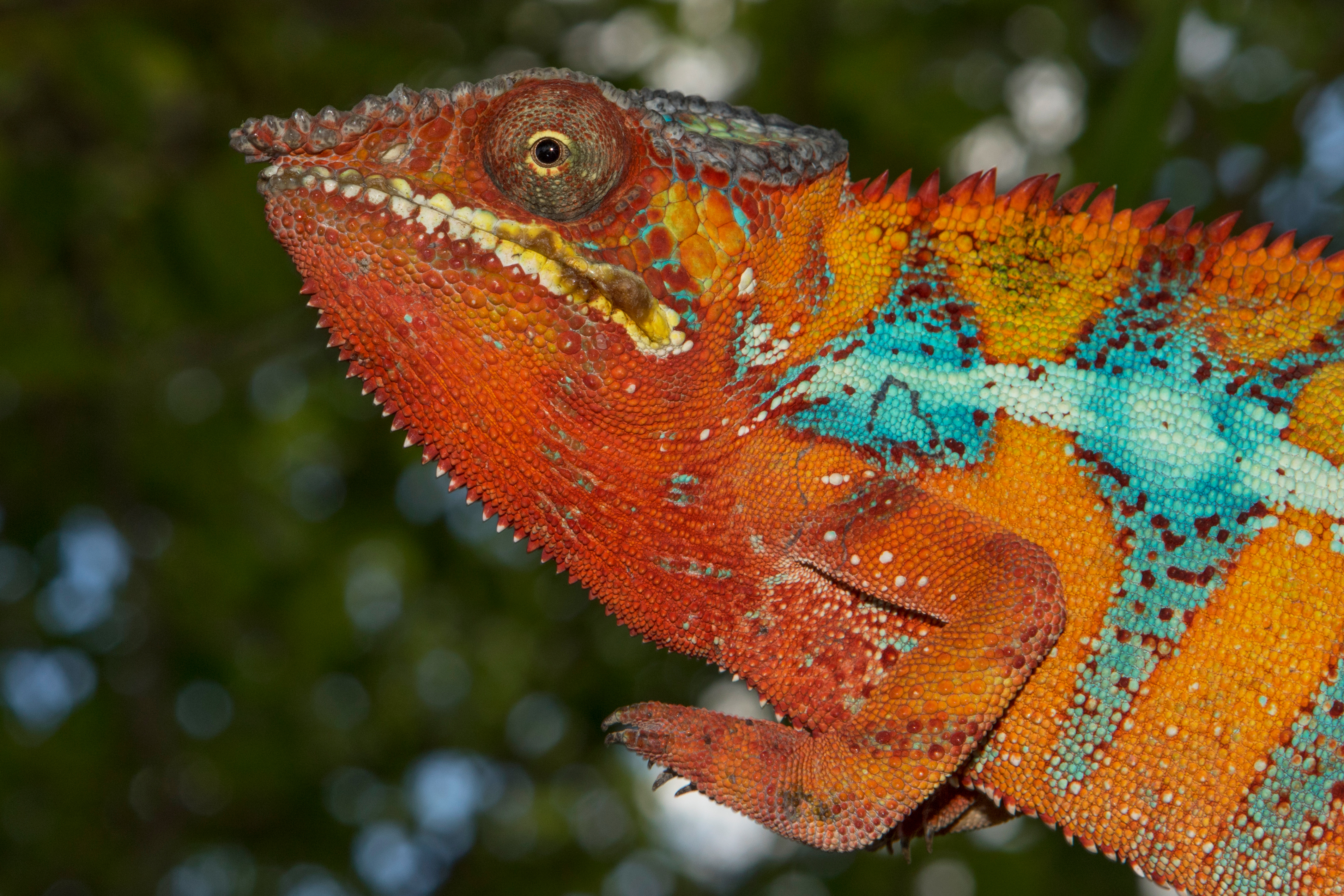
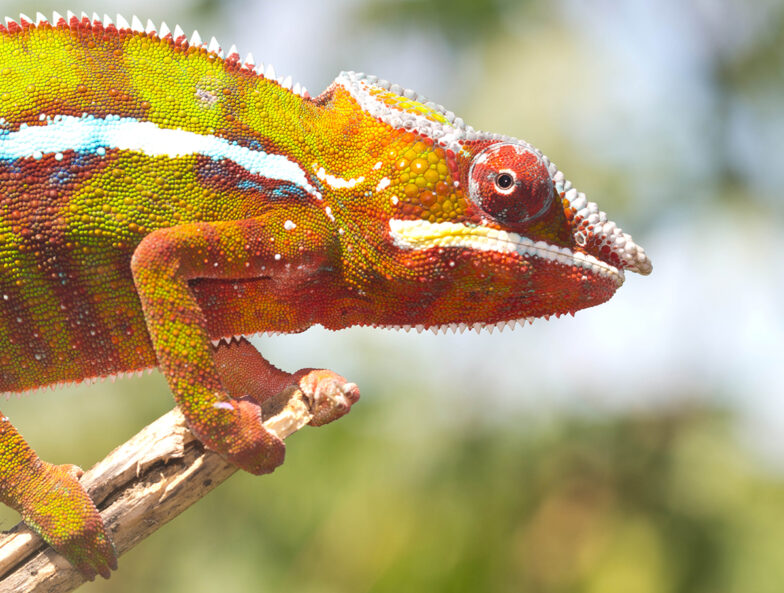
Photo: Panther chameleon, photographed by Alex Laube in Madagascar

Chameleons in Bobaomby (Madagascar)

Chameleons in Bobaomby (Madagascar)

Verbreitung Science

The Bobaomby complex is located at the northernmost tip of Madagascar, north and west of the largest coastal town in the north, Antsiranana (Diego Suarez in French). It consists of dry forest at sea level up to a maximum of 200 metres above sea level as well as extensive savannahs on karst rock and various rock formations. The area has not been protected to date.

Scientists from Madagascar conducted reptile counts in the Bobaomby complex in 2018. The counts were carried out in February and March, i.e. during the rainy season. Five different locations were analysed: Beantely, Antsisikala and Ambanililabe as examples of varying degrees of degraded dry forest, Anjiabe for its intact dry forest and Ampombofofo with relatively intact forest. To find animals, the visual survey was used on 25 days during the day and at night in selected transects, sometimes specifically in suitable habitats such as leaf axils or under dead tree trunks, and pitfall traps along erected fences were also used.

A total of 42 reptile species have been recorded. All of them, except one gecko species, originally only occur on Madagascar, while two other gecko species are now also found on neighbouring islands. There is a small novelty among the chameleons: the leaf chameleon Brookesia ebenaui was recorded for the first time in Bobaomby, more precisely in Beantely. Brookesia stumpffi and Furcifer petteri were found in Beantely, Anjiabe and Ampombofofo. Furcifer pardalis and Furcifer oustaleti occurred as expected throughout the whole Bobaomby complex.

The authors suggest that the Bobaomby complex – especially the three forests where most of the reptiles were found – should be protected to preserve the local herpetofauna.

Overview of reptile diversity from Bobaomby complex, northern tip of Madagascar
Randriamialisoa, Raphali R. Andriantsimanarilafy, Alain J. Rakotondrina, Josué A. Rakotoarisoa, Nasaina T. Ranaivoson, Jeanneney Rabearivony, Achille P. Raselimanana
Animals 13: 3396, 2023
DOI:  10.3390/ani13213396

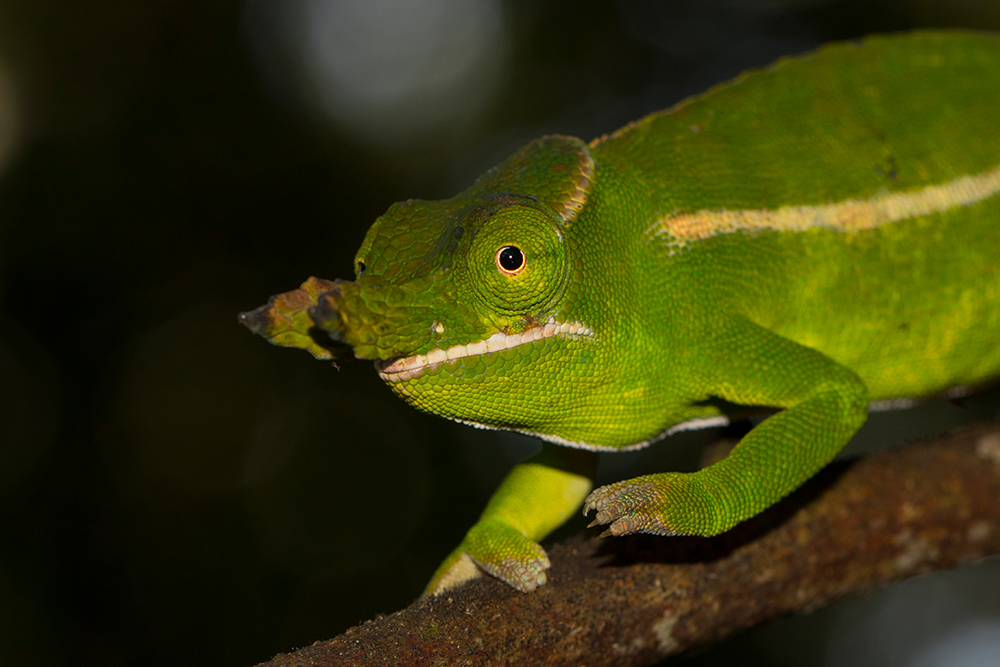
Photo: Furcifer petteri, male, in the north of Madagascar, photographed by Alex Laube

Panther chameleons looking for new homes

Panther chameleons looking for new homes

Abzugeben General topics

A long-standing member of the AG Chameleons is looking for new owners for ten panther chameleons (Furcifer pardalis) at short notice. There are ten females, including animals between 10 months and three years old. Four females belong to the local form Ambilobe, five to the local form Sambava. The animals are available individually or in groups free of charge. If you are interested, please write to us at info@agchamaeleons.de for further information.

Concerning Florida’s introduced panther chameleons

Concerning Florida’s introduced panther chameleons

Verbreitung Science

The “Sunshine State” Florida in the USA has the largest number of non-native species of reptiles in the world because of its warm climate. The panther chameleon (Furcifer pardalis) is one of the invasive species, i.e. those that do not actually belong in Florida but are now reproducing there. A study has now investigated the question of what the human inhabitants of Florida actually think of the chameleons.

It has been discussed for a long time whether panther chameleons belong to the species that were deliberately released for the purpose of “ranching”, i.e. to collect the offspring of the released chameleons for sale. That private individuals collect panther chameleons is not in dispute. According to the authors, ranching populations in Florida are mostly kept secret. They became aware of a small population in Orange County via social media in 2019. They then searched for the animals at night with torches and actually found 26 panther chameleons during several walks. They encountered private individuals on several occasions who were also looking for chameleons.

In 2020, questionnaires were distributed in person and via flyers with QR codes to 248 households located within the presumed 0.9 km² distribution area of the panther chameleon population. They were asked about concerns regarding the occurrence of panther chameleons, but also about existing knowledge about invasive species in general. The residents were also divided into three areas: A core region where chameleons had been observed several times, a peripheral region with few findings, and an outer region where no chameleons had been sighted at all.

44 households answered the questionnaire.  In fact, all 11 interviewed residents in the outer region had not sighted any chameleons. Of the 33 residents interviewed in the core and peripheral region, about a third said they had already observed panther chameleons. The same number had seen the light of torches at night. 86% of the residents surveyed knew that panther chameleons are not actually native to Florida. Only a few residents said they were concerned about the occurrence. Seven residents had approached collectors with torches and said the collectors had all said they were looking for chameleons for research purposes. Only one of the collectors had said he/she was looking for animals to sell, according to the residents. One resident reported an altercation after strangers entered his property several times looking for chameleons. Another resident called the police because of a whole group of collectors on the neighbouring property.

Unfortunately, the questionnaire was given out after the search efforts of the authors themselves, so it is not apparent from the responses how many of the encounters were indeed with people looking for chameleons for sale purposes. The publication is also a preprint, so no review process has taken place yet. Addendum: The paper was published in Human-Wildlife Interactions 2024 as a case report.

Colorful lizards and the conflict of collection
Colin M. Goodman, Natalie M. Claunch, Zachary T. Steele, Diane J. Episcopio-Sturgeon, Christina M. Romagosa
Preprint, 2023
DOI: 10.1101/2023.08.10.552819

Colorful lizards and the conflict of collection
Colin M. Goodman, Natalie M. Claunch, Zachary T. Steele, Diane J. Episcopio-Sturgeon, Christina M. Romagosa
Human-Wildlife Interactions 18(1), 2024

Picture: Alex Laube

Genome of the panther chameleon decoded

Genome of the panther chameleon decoded

Science

In recent decades, genetic research has developed rapidly. Since 2009, the so-called high fidelity (HiFi) Pacbio sequencing method has been available for sequencing genomes. Nevertheless, relatively little is being done in the reptile field. There are only about a hundred so-called reference genomes for reptiles, and none at all for chameleons. Scientists from China have now published a reference genome for the panther chameleon (Furcifer pardalis).

For the analysis, a 5-year-old male captive panther chameleon was killed using isoflurane and then dissected. Different tissues were frozen in liquid nitrogen. Skeletal muscle was used for short genome DNA sequencing and HI-C sequencing. Liver was used for HiFi sequencing. RNA from heart, liver, spleen, testis, lung, kidney, and skin were used for transcriptome sequencing.

The genome size of the panther chameleon from the K-mer analysis is 1.61 gigabase pairs (Gbp), containing only 22 so-called contigs, sets of overlapping DNA. The karyotype contains 11 chromosomes, each consisting of one to four contigs. Ten out of eleven chromosomes have repeat sequences (TAACCC). BUSCO analysis demonstrated a high completeness of the genome. The genome can be viewed in the NCBI BioProject under the number PRJNA974816 and in ScienceDataBank.

Efficient and highly continuous chromosome-level genome assembly of the first chameleon genome
Hongxin Xie, Zixuan Chen, Shuai Pang, Weiguo Du
Genome Biology and Evolution 131, 2023
DOI: 10.1093/gbe/evad131


Picture: Alex Laube

Chameleons in the Montagne des Français (Madagascar)

Chameleons in the Montagne des Français (Madagascar)

Verbreitung Science

The Montagne des Français is a limestone massif with dry forest in northern Madagascar. It reaches up to 425 m above sea level and is within sight of the largest coastal town in the north, Antsiranana (French Diego Suarez). It has been a protected area since 2007. Scientists from Madagascar and the USA conducted counts of reptiles and amphibians in the Montagne des Français in 2014 and 2020.

Counts were made in January and May, i.e. during and at the end of the rainy season. In 2014, the focus was on the region around Andavakoera, while in 2020 it was on Sahabedara, Ampitiliantsambo, and Andavakoera. In order to find animals, the search was conducted during the day and at night along predefined paths, partly in suitable habitats, and partly in pitfall pits.

A total of 20 amphibian and 50 reptile species were recorded. Four new amphibians and one reptile were found for the first time in the Montagne des Français. The snake Langaha pseudoalluaudi was discovered again for the first time since 2007. Among the chameleons, there were minor new discoveries. Brookesia stumpffi could only be found in 2014, but no longer in 2020 – however, due to the relatively wide distribution of the species, this should not be a problem for the entire population. Brookesia tristis, one of the smallest chameleons in the world, was also only seen in 2014. Here, the body size, which makes it very difficult to find, and the time of year (May is relatively late for this species) could play a role. Brookesia ebenaui was detected in Andavakoera in 2014 and in Sahabedara in 2020. The two tree dwellers Furcifer oustaleti and Furcifer pardalis were found in both years in Andavakoera and Ampitiliantsambo. Furcifer petteri, on the other hand, was present at all the sites surveyed in both years.

Amphibians and reptiles of the “Montagne des Français”: Update of the distribution and regional endemicity
Herizo Oninjatovo Radonirina, Bernard Randriamahatantsoa, Rabibisoa Harinelina Christian Nirhy, Christopher J. Raxworthy
Preprint
DOI: 10.20944/preprints202306.1499.v1

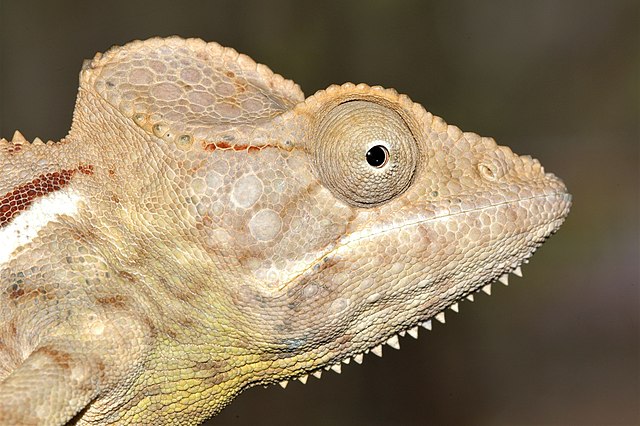
Photo: Furcifer petteri on Madagascar, photographed by A. Laube