Abundance of the world’s smallest chameleon (Madagascar)

Abundance of the world’s smallest chameleon (Madagascar)

Beobachtungen Science

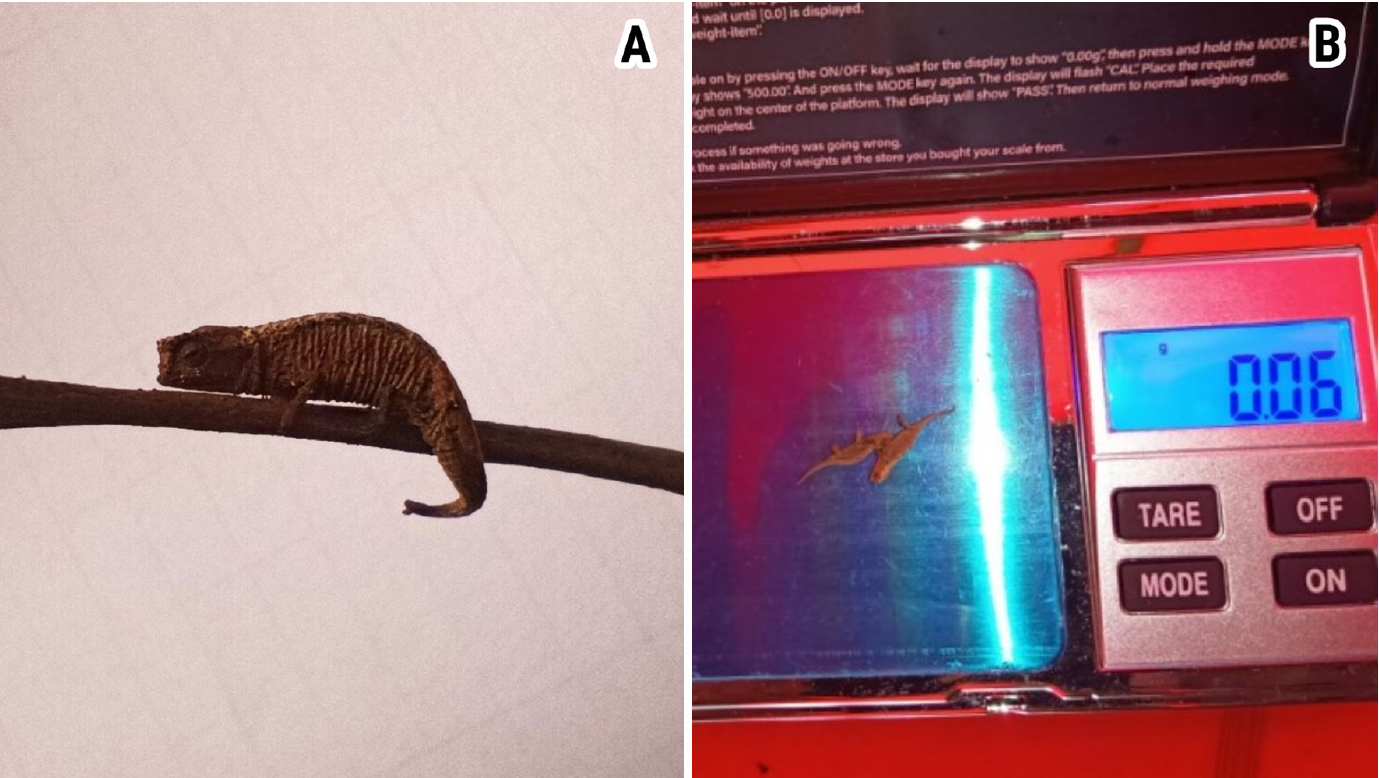
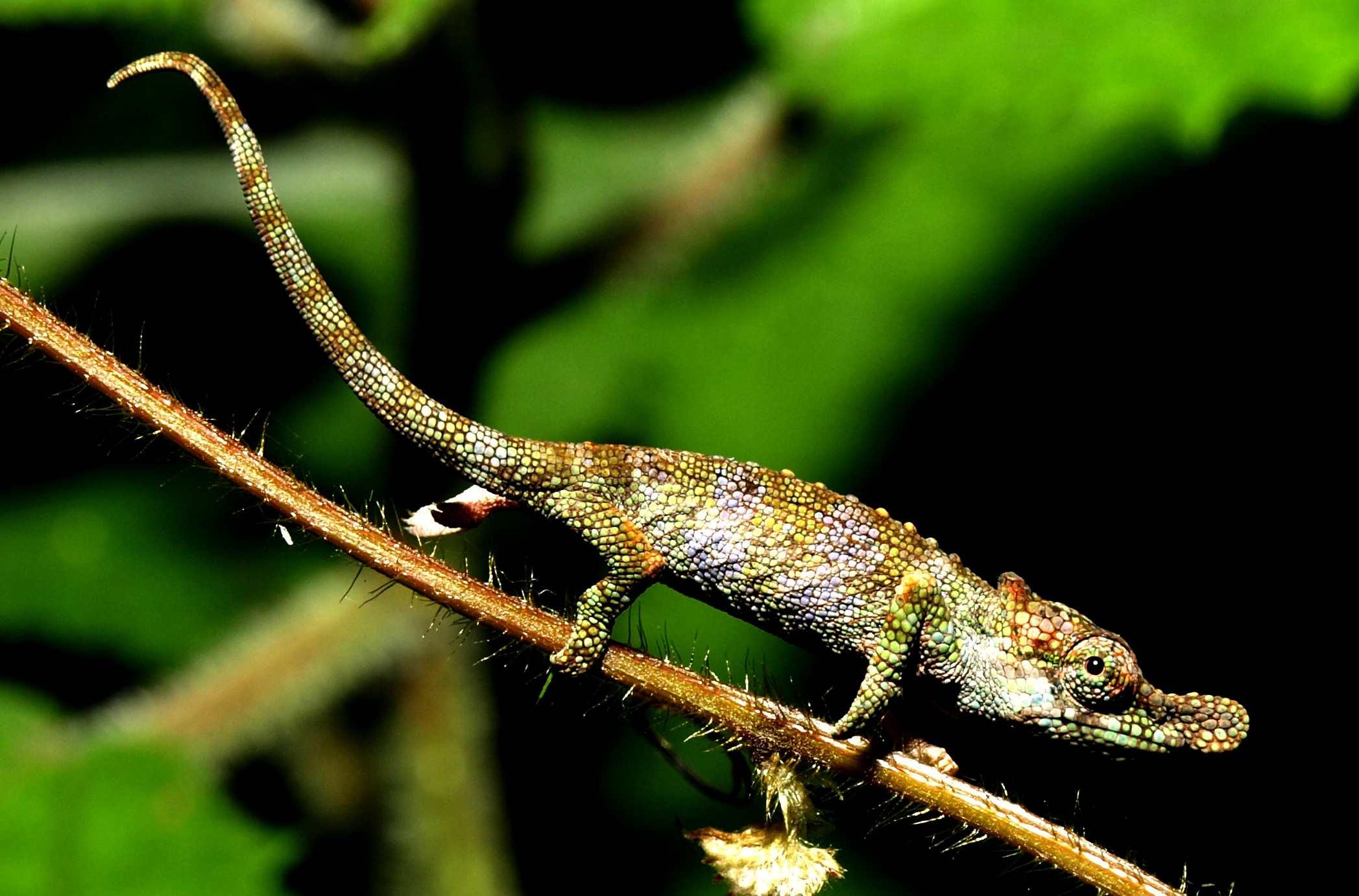
The world’s smallest known chameleon was discovered a few years ago in Sorata, in northern Madagascar. The Sorata Forest forms part of the Marojejy-Anjanaharibe-South Tsaratanana corridor (COMATSA), an area of fragmented forest remnants situated between the major national parks mentioned and the Réserve Naturelle Intégrale. It is currently managed by the WWF in collaboration with a local organisation called Ambodimandresy Miaro ny Ala.

Scientists from the universities of Antsiranana and Antananarivo have now investigated the abundance of Brookesia nana in Sorata. For 14 nights during the rainy season, they searched for the tiny chameleons along 14 transects, each 150 metres long.

In total, the scientists found 0.33 individuals per 100 m. In concrete terms, this means that only seven Brookesia nana were found across the 2,100 m of transects. The females were slightly larger than the males. All the chameleons were found sleeping on very low vegetation, on average just 7 cm above the ground.

The low abundance necessitates further studies in other forests of the COMATSA corridor to determine the exact distribution of Brookesia nana. It is also interesting to note that Brookesia nana appears to be rarer than other species of the minima group, suggesting that the species may be at greater risk of extinction.

A brief overview of the natural history of the recently described, miniaturised leaf chameleon, Brookesia nana Glaw et al., 2021, from Sorata Forest, northeastern Madagascar
Jeanneney Rabearivony, Andriatsitohaina Ranaivojaona, Asmeralie Willian, Crispin Jaohasy, Moussaïna Jao, Achille P. Raselimanana
Herpetology Notes 19, 2026: 123-128.
DOI: not available
Free article download

Photo: Brookesia nana, found in the study mentioned, photographed by Asmeralie William

Chameleons in Namoroka (Madagascar)

Chameleons in Namoroka (Madagascar)

Verbreitung Science

The Tsingy de Namoroka are located in the hot west of Madagascar. They consist of needle-sharp karst rock with caves beneath and are surrounded by fragments of dry forest. Although the Tsingy are now a national park, access has so far been extremely difficult due to a complete lack of infrastructure and paths, and is even impossible during the rainy season.

The scientists carried out survey studies at three different locations within the national park. To do this, they used three 1,000 to 1,500 m transect lines at each site, along with pitfall traps. In addition, specific habitats such as caves were specifically targeted.

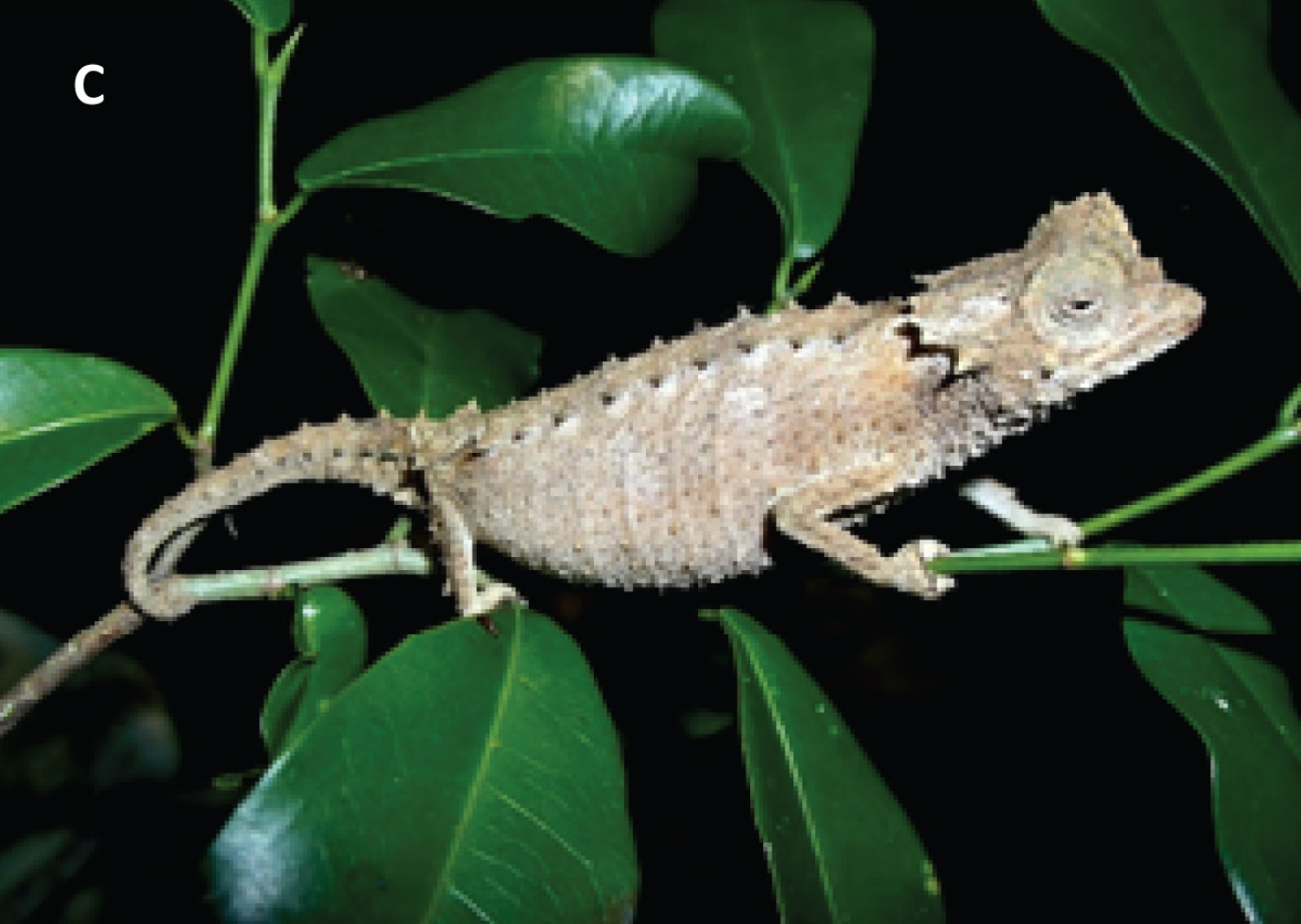
A total of 57 animal species were recorded in Namoroka, 41 of which were reptiles. Brookesia brygooi, Furcifer angeli and Furcifer oustaleti were recorded at all three sites surveyed. Brookesia bonsi, which is endemic to Namoroka, was found at only one site. This is an area situated at an altitude of 87 m, with trees ranging from 6 to 15 m in height and a relatively open canopy. The area is characterised by dense, virtually impenetrable undergrowth, particularly in the damp, rocky gorges between the Tsingy.

The scientists point out that slash-and-burn farming and the resulting uncontrollable bushfires continue to pose a major risk to the animals’ habitats in Namoroka. Logging, as well as the harvesting of wild honey, wild root tubers and medicinal plants, also ensures that the national park’s habitats are disturbed. Zebus are also driven into the national park to graze. Effective protection of the area is very difficult due to its remote location and the high levels of poverty among the local population.

Aperçu des amphibiens et des reptiles du Parc National de Namoroka: Diversité biologique, intérêt biogéographique et représentativité en matière de conservation
Hajaniaina Rasoloarison, Bernard Ranriamahatantsoa, Nirhy Rabibisoa, Christopher J. Raxworthy
Malagasy Nature 2026, 20: 30-46.
DOI: not available
Free article download

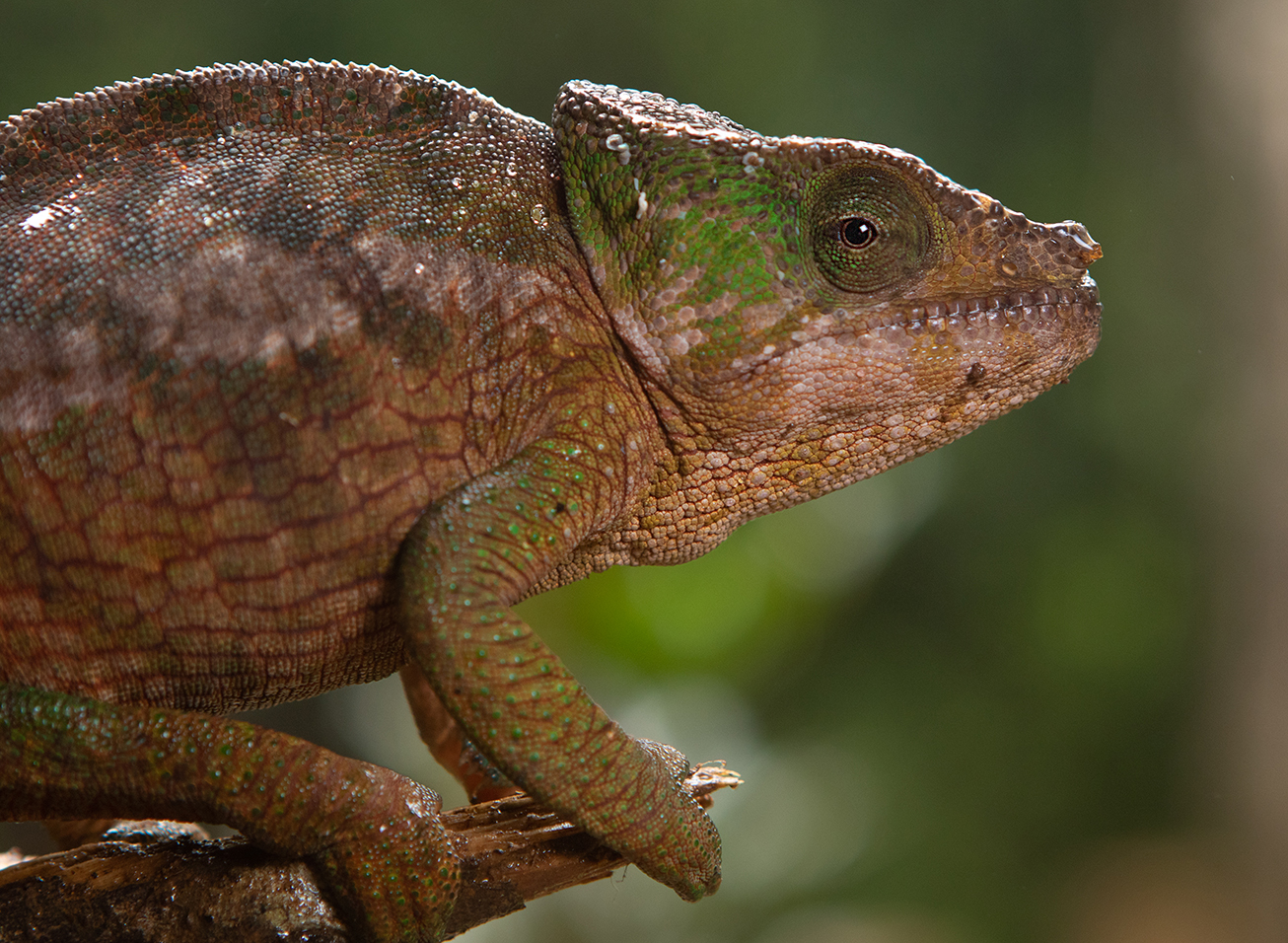
Picture: Brookesia bonsi in Namoroka, from the afore mentioned publication

Webinar about herpetology in South Africa

Webinar about herpetology in South Africa

Live lectures Webinars Science

On Wednesday, 11 February 2026, Wade Stanton-Jones will give an online lecture on his research in South Africa.

Wade is the new representative for students and young scientists of the Herpetological Association of Africa (HAA). He will talk about his previous and current research work and provide information on what students and young scientists can expect in the coming months. Wade’s research has primarily focused on the sungazer Smaug giganteus. However, his work has also dealt extensively with the dwarf chameleons of the genus Bradypodion, of which there are several species in South Africa. If you are interested in attending the lecture, please register via this link. Participation in the webinar is free of charge.

Wade Stanton-Jones A brief journey in African Herpetology: Community, Research, and the road ahead
Online webinar
Lecture begins at 5 p.m. (Please note the time difference! In Johannesburg, it will be 6 p.m., as stated in the lecture announcement.)

Chamaeleo africanus found in Greece outside Pylos

Chamaeleo africanus found in Greece outside Pylos

Verbreitung Science

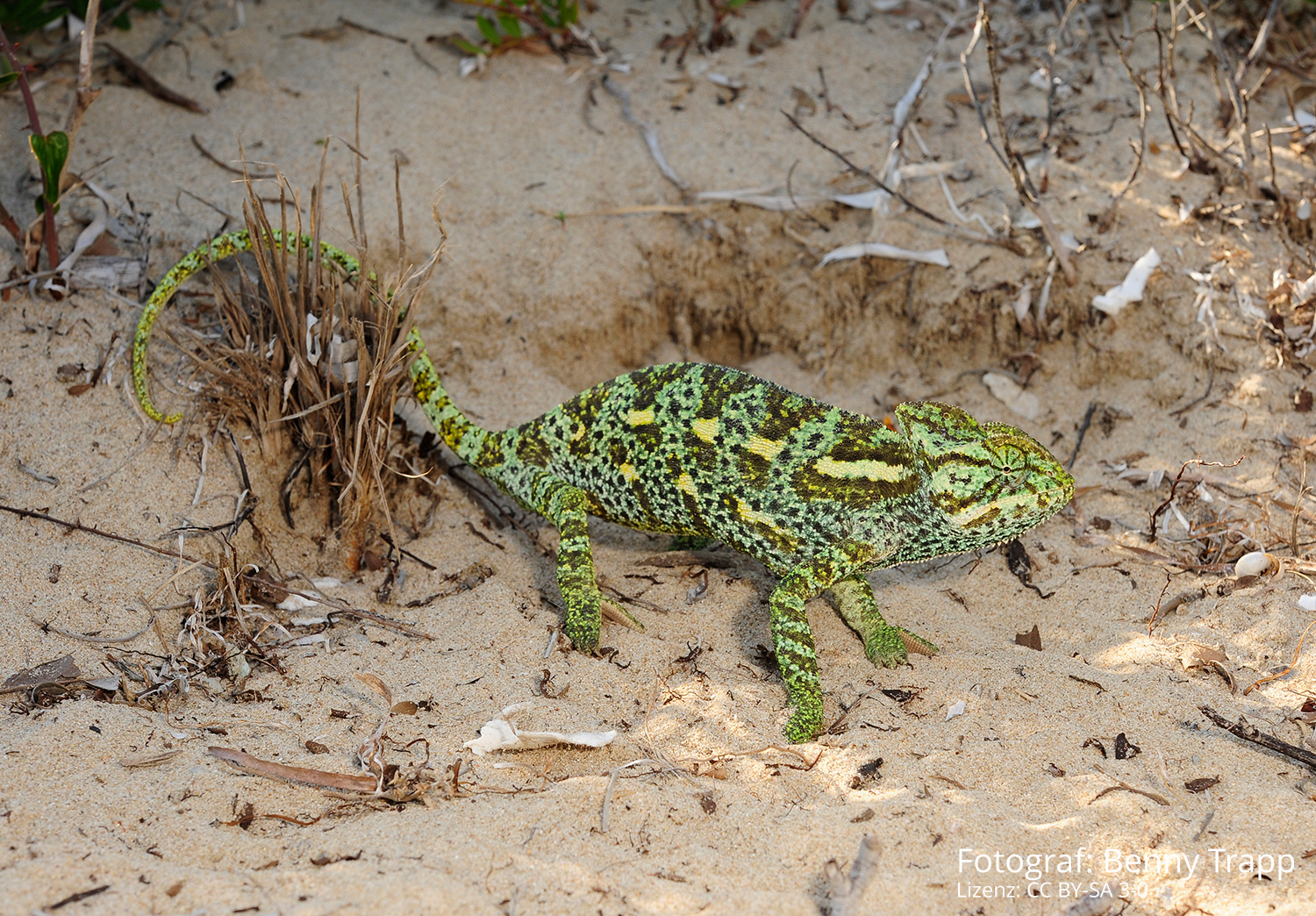
It has long been known that Chamaeleo africanus occurs in the lagoon of Gialova, in the Pylos region (Greece). It differs not only visually but also genetically from Chamaeleo chameleon, which is relatively widespread in southern Europe. There have been sporadic reports of other occurrences of Chamaeleo africanus in Greece, but until now there has been no scientific evidence of the species in areas other than Pylos.

Scientists have now identified a second population of the species. They found at least seven individuals of the species about 130 km north of the Gialova lagoon on the Peloponnese. The chameleons live in a Natura 2000 area called Limnothalassa Kalogrias /Dasos Strogylias Kai Elos Lamias. A young animal was sampled via cheek swab to genetically confirm the species Chamaeleo africanus.

Genetic evidence for the presence of Chamaeleo africanus in Greece outside the Pylos region
Erika Lego, Maria Koutsokali, Michael Valachas
Conservation Genetics Resourecs 18(5), 2026
DOI: 0.1007/s12686-026-01409-w
Free preview of the article

Photo: Chamaeleo africanus, photographed by Benny Trapp, CC BY-SA 3.0

The flap-necked chameleon in northern Mozambique

The flap-necked chameleon in northern Mozambique

Verbreitung Science

Scientists recently searched for reptiles in the municipality of Mocuba in northern Mozambique to compile an inventory of the species found there. They examined a so-called miombo dry forest (a type of sparse forest savannah with hardly any undergrowth) and a nearby granite rock called Mount Morué, which is only 361 metres high.

Over several months during the rainy and dry seasons, both habitats were searched for seven days at a time (42 days in total). The scientists used pitfall traps and searched with the naked eye during the day along predetermined transects. Reptiles were identified using existing field guides and with the help of experts. In addition, some animals were killed and added to the Zambezi University collection.

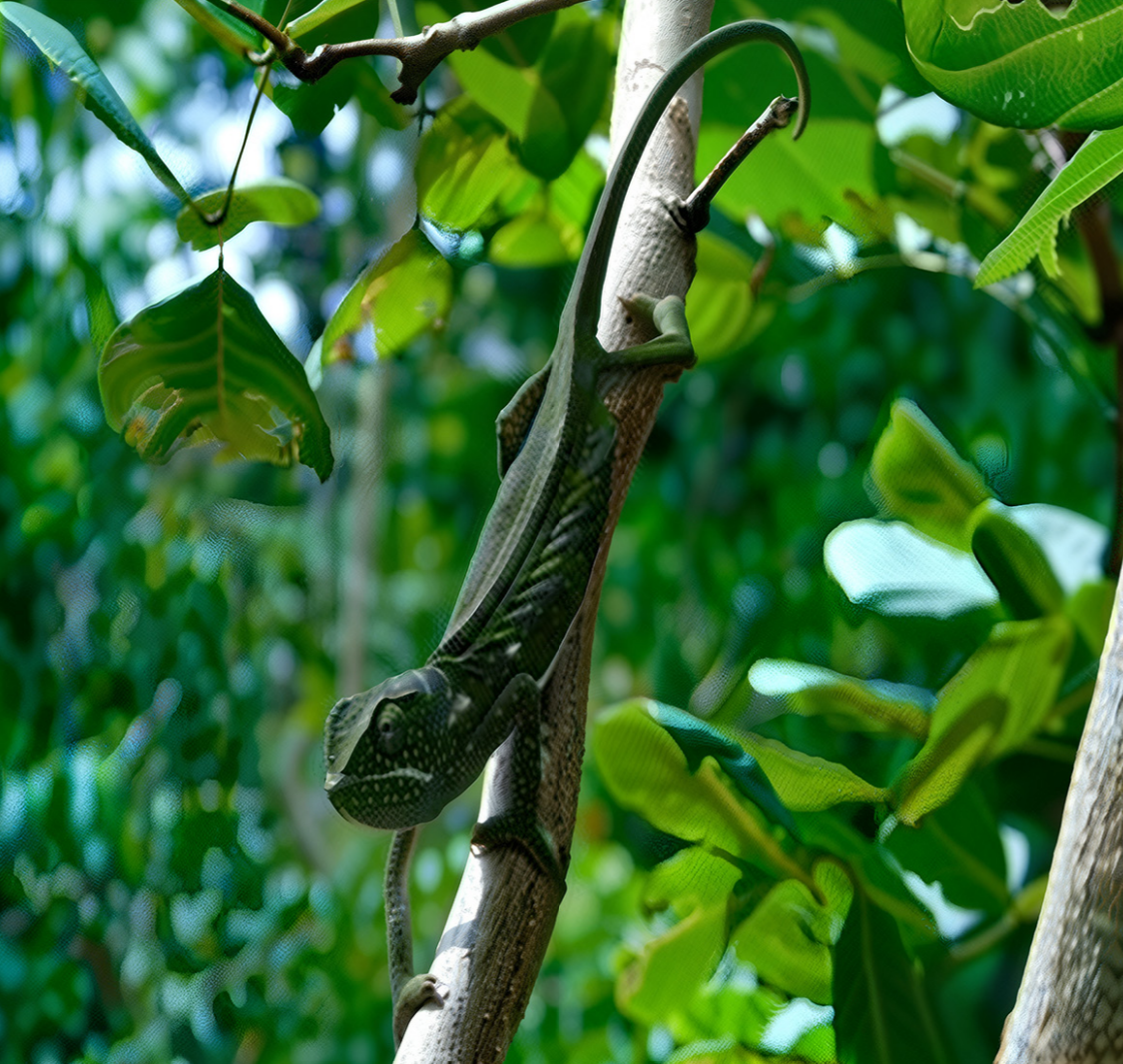
A total of 23 different reptile species were observed. Chamaeleo dilepis was found six times. All chameleons were found in the Miombo woodland and not a single chameleon was found on the granite rock of Mount Morué. Two chameleons were hunting for prey, while two others were still in a sleeping position when found early in the morning. Another lappet chameleon had ended up in a pit trap. The species is already known from many finds in Mozambique. However, no finds had been made in Mocuba until now.

Beyond the asymptote: a near-complete reptile inventory in the Miombo woodland and on Mount Morué, Mocuba Municipality, with a major range extension for the lizard Nucras boulengeri Neumann, 1900
Avelino R. Miguel, Berta I. Sitole, Nando A.M. Calonga, Celso H. Duarte, Dolescêncio Armando, Célia J.A. Nanvonamuquitxo, Hinrich Kaiser
Herpetology Notes 18: 1051-1071.
DOI: not available
Free article download

Photo: Chamaeleo dilepis in the Miombo Woodlands, photographed by Miguel Avelino

Presentation in Munster about Madagascar’s chameleons

Presentation in Munster about Madagascar’s chameleons

Reiseberichte Live lectures Science

The DGHT Münster is also starting the new year with lots of chameleons. On Friday, 16 January 2026, Philip-Sebastian Gehring will give a detailed lecture on Madagascar and its many chameleons.

Madagascar is home to almost half of all known chameleon species worldwide, all of which are found exclusively on this island. This extraordinary diversity makes Madagascar’s chameleons an important subject of scientific research, as they offer unique insights into the mechanisms of evolution and adaptation. Over the past 20 years, numerous studies and new discoveries have significantly expanded our understanding of species diversity and evolutionary processes within this group of reptiles. In particular, the identification and description of new species and the investigation of their genetic differences have provided key insights into the origin and differentiation of species. The lecture will provide a comprehensive overview of this research and clearly present the current state of research on Madagascan chameleons.

Dr. Philip-Sebastian Gehring Evolution and diversity of Madagascar’s chameleons – Latest research findings [German]
DGHT city group Munster
Zoo school of Allwetterzoo Munster
Sentruper Straße 315
48161 Münster
Lecture begins at 7 p.m., doors open at 6:30 p.m. via the main entrance of the zoo.

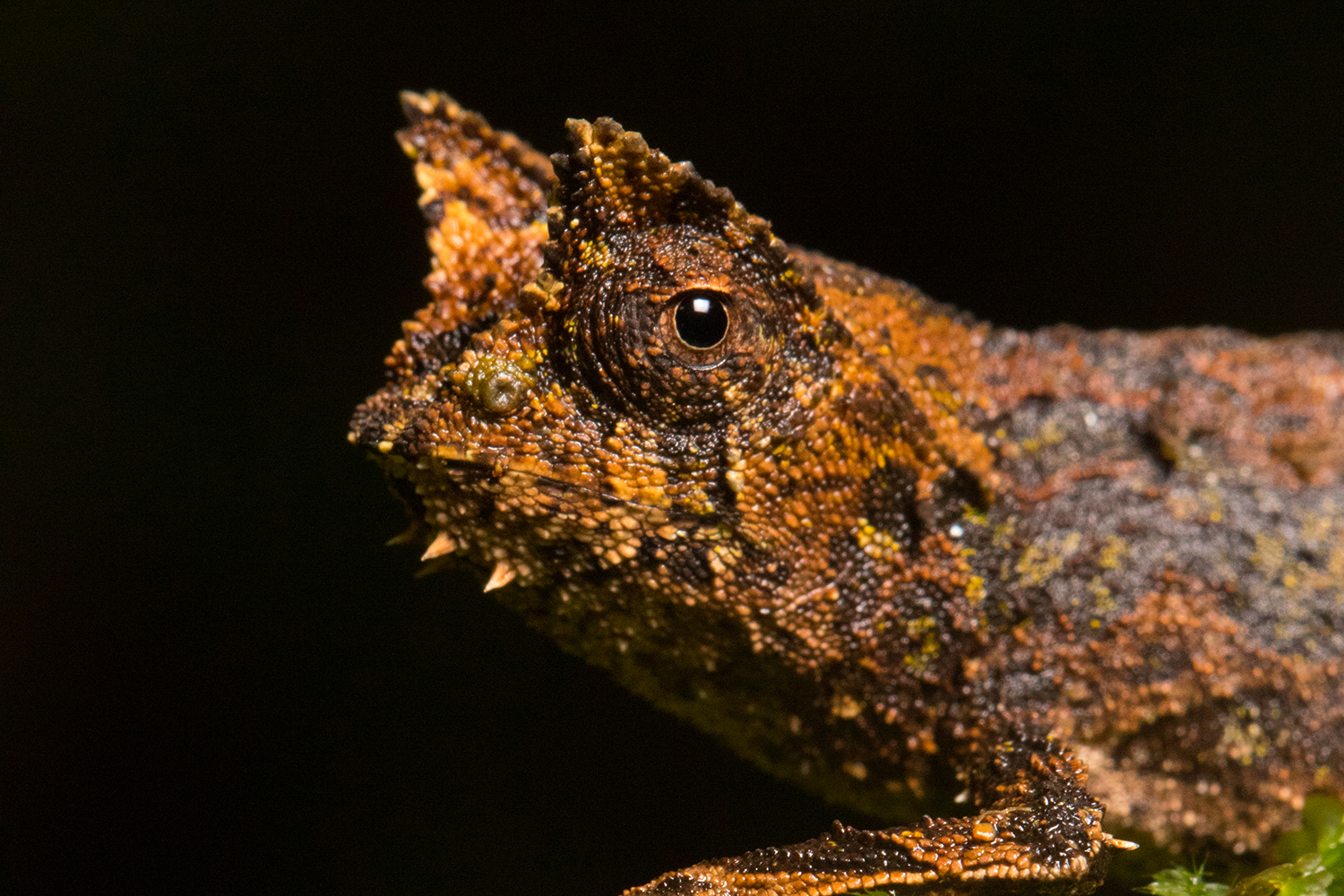
Photos: small Calumma species in Madagascar, photographed by Philip-Sebastian Gehring

Presentation in Frankfurt about Madagascar

Presentation in Frankfurt about Madagascar

Reiseberichte Live lectures Science

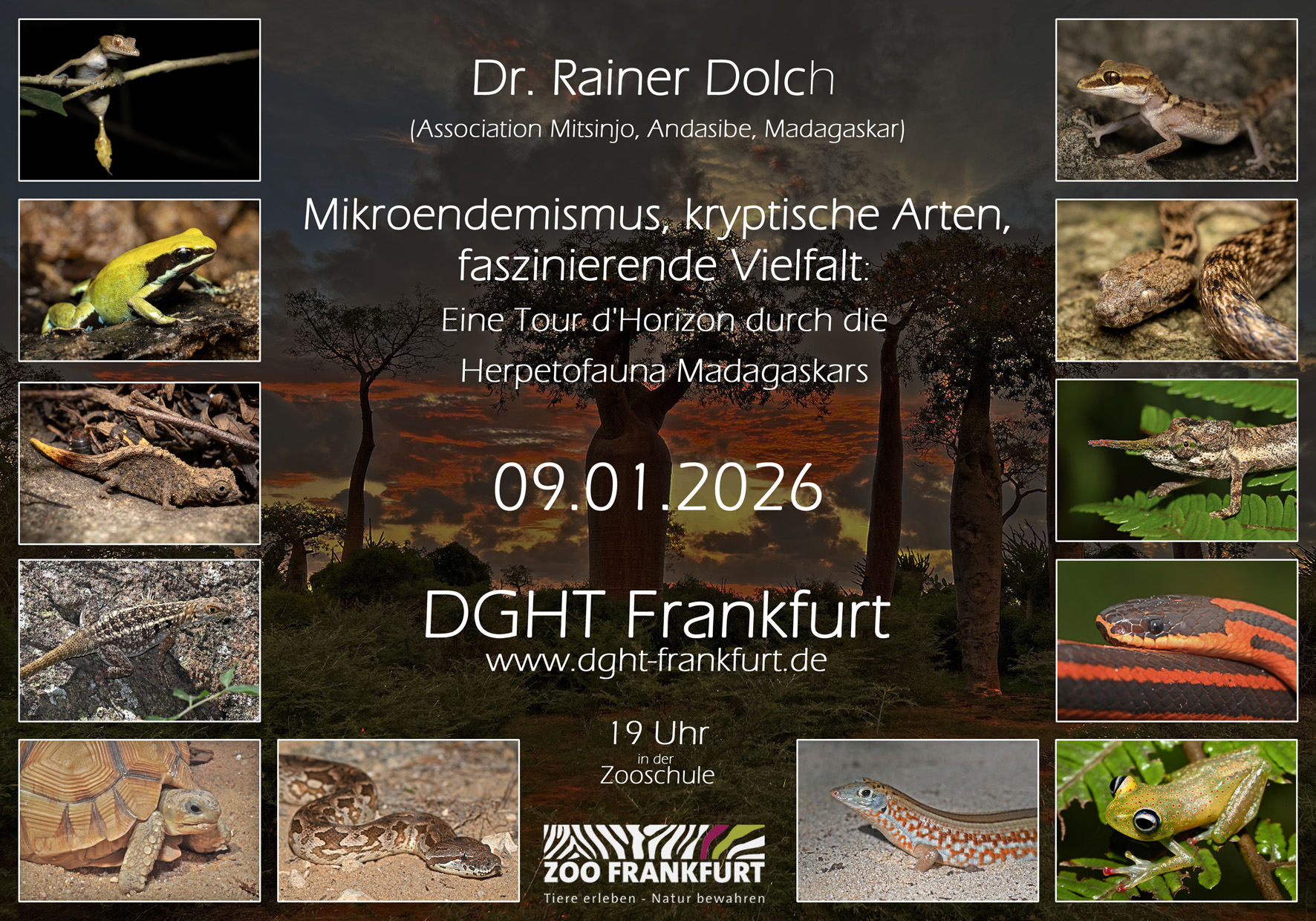
The DGHT Frankfurt is kicking off the new year with a highlight. Thanks to a visit home, they are fortunate to welcome Rainer Dolch from the Association Mitsinjo in Andasibe, Madagascar. On Friday, 9 January 2026, he will give a detailed lecture on Madagascar and its herpetological diversity.

Madagascar’s amphibians and reptiles inhabit a wide variety of habitats, from lowland forests to the highest mountain peaks, karst areas, dry forests and unique semi-deserts. Madagascar’s long isolation after the break-up of the supercontinent Gondwana, its geography and the enormous diversity of its habitats have promoted evolutionary processes that have produced numerous endemic species of amphibians and reptiles. Many of these taxa are allopatric and microendemic, meaning they are restricted to very small, confined areas. Endemic families such as the Madagascar frogs (Mantellidae), the Madagascar snakes (Pseudoxyrhophiidae) and the Madagascar iguanas (Opluridae) have each undergone major radiation. A wide variety of legless skinks and some of the world’s rarest turtles also belong to the island’s extraordinary herpetofauna. Finally, Madagascar is a hotspot for chameleon diversity. In the chameleon genus Calumma in particular, many cryptic species have only recently been described which, although they look almost identical externally, are genetically so different that they can no longer reproduce with each other. Many of the amphibians and reptiles native to Madagascar and the habitats they inhabit are presented, as are the threats they face and measures taken to protect them.

Dr. Rainer Dolch Microendemism, cryptic species, fascinating diversity: a tour d’horizon through the herpetofauna of Madagascar [German]
DGHT city group Frankfurt
Zoo school of Frankfurt zoo
Bernhard-Grzimek-Allee 1
60316 Frankfurt am Main

Lecture begins at 7 p.m., doors open at 6:30 p.m. via the exit gate at the main entrance on Alfred-Brehm-Platz (gate between the zoo shop and the zoo society building).

Photos: Herpetological diversity of Madagascar, photographed by Rainer Dolch

Calumma species in three highland forests of Madagascar

Calumma species in three highland forests of Madagascar

Science

Biologists from the University of Antananarivo recently investigated how different habitats affect the presence of four Calumma species in Madagascar. They chose the Ambohitantely Special Reserve, managed by Madagascar National Parks, and two forests in the Anjozorobe-Angavo corridor as their study areas: Anorana, not officially declared a protected area and managed by local communities, and Antsahabe, managed by the NGO Fanamby. The three study areas covered a wide variety of forest types, from intact rainforest to forest fragments with mainly young trees, including areas that had been cleared by burning. All three areas are located in the northern highlands of Madagascar.

During the dry and rainy seasons of two years, biologists searched for chameleons along 50-metre-long transects (14 transects per location, each with three parallel lines). The searches were carried out in pairs at night using torches. Each chameleon found was identified, measured and various data on the location of the find was recorded. In addition, 16 botanical transects, each 100 m long, were used to collect data on the surrounding habitat.

The results of individual transects had to be removed from the evaluation because slash-and-burn farming had taken place in their vicinity shortly before the search nights and an impact on the animals could not be ruled out. A total of 32 transects could still be evaluated.

Basically, Calumma gastrotaenia, Calumma globifer, Calumma crypticum and chameleons of the Calumma nasutum group were found in all three study areas. Calumma gastrotaenia was by far the most frequently discovered species. As expected, significantly more chameleons were discovered during the rainy season than during the dry season, including more hatchlings in particular. At all three locations, more females than males were found in all seasons. More chameleons were found in undisturbed, intact rainforest than in destroyed areas. In addition to the Calumma species sought, Brookesia ramanantsoai, Brookesia thieli and Furcifer willsii were also discovered.

No differences in the preferred height of sleeping places were found between the rainy and dry seasons. Overall, the chameleons used a very wide range of vegetation for sleeping. Hatchlings and juveniles generally used narrower and higher sleeping places than adult chameleons.

The highest population density of Calumma globifer was found in Anorana, with 88 individuals per hectare. On average, the animals of this species slept at heights between 0.5 and 5 m, with almost 40% sitting on lianas. Juveniles were occasionally found on bamboo, dragon trees (Dracaena ssp.) and stone pines (Podocarpus madagascariensis). Calumma gastrotaenia and Calumma globifer preferred habitats with large trees and denser vegetation between 2 and 4 m in height. Calumma globifer mainly inhabited habitats with a closed canopy.

The highest population density of Calumma gastrotaenia was found in Ambohitantely with 60 individuals per hectare. The species was mainly found in undergrowth with bamboo, ferns, plants with elongated leaves and grasses. It was noticeable that over 30% of the roosting sites were bamboo. Overall, the species seemed to cope better than the others with destroyed habitat.

The highest population density of the Calumma nasutum group was found in Ambohitantely, with 61 individuals per hectare. They were also relatively common during the dry season in Ambohitantely and Antsahabe. The species preferred the ends of small, thin branches and climbing plants for sleeping. They usually sat at a height of between 0.3 and 6 m. More than half of the animals found in the Calumma nasutum group were on the branches of shrubs and leaves, while the other half were found on lianas and climbing bamboo (Nastus ssp.).

In contrast to the other species, Calumma crypticum showed a much lower population density in the forests studied, with a maximum of 9 individuals per hectare in Antsahabe. Calumma crypticum was the only species found higher during the rainy season than during the dry season, at an average of 4 to 6 m. However, the species also showed a high variation in the height of its roosting places, with one chameleon discovered at a height of only 0.5 m. The species preferred thicker branches in particular. Both Calumma crypticum and chameleons of the Calumma nasutum group preferred open habitats that were nevertheless rich in branches. It remains unclear whether the seven Calumma brevicorne found in the entire study area can actually be attributed to this species or whether these are individuals that do not match the original description, which is almost 150 years old.

Ultimately, it was confirmed that the vegetation structure of a habitat has a significant influence on the population density of the Calumma species studied. The habitat described by the scientists as most suitable for Calumma species was found in the forests of Antsahabe and Anorana, both located in the Anjozorobe-Angavo corridor. The latter also had the highest total number of Calumma gastrotaenia and Calumma globifer. The Ambohitantely reserve, on the other hand, was notable mainly for its heavily destroyed forest area. In just two years during the study, several large fires following slash-and-burn practices had led to massive tree loss. Ambohitantely is the place where Calumma crypticum was first described – yet this species was the least represented in the study areas.

Habitat use, selection, and population density of chameleon communities (Calumma spp.) in the fragmented central highland forests of Madagascar
Fandresena Raktoroarimalala, Arianna L. Kuhn, Achille P. Raselimanana, A. Tahinarivovny Jacquis, Sara Ruane
MBC Ecology and Evolution 25: 137.
DOI: 10.1186/s12862-025-02479-4
Kostenloser Download des Artikels

Picture: Calumma globifer in Maintsoanala, photographed by Alex Negro

The optic nerve of chameleons is highly specialised

The optic nerve of chameleons is highly specialised

Tiermedizin Science

It has long been known that chameleons have very special eyes. What is particularly fascinating is that they can move their eyes independently of each other in almost any direction. A team of US scientists has now discovered that the optic nerve in chameleons is also extremely specialised.

They examined adult reptiles of 34 different species using CT models. Brookesia superciliaris, Rieppeleon brevicaudatus and Chamaeleo calyptratus represented the chameleon family. They found that in all three chameleon species, the optic nerve was extremely curled. This anatomical feature means that the optic nerve in chameleons is much longer than would be necessary for an eye looking straight ahead. It probably enables the animals to have extremely mobile eyes without compromising their vision. Put simply, the optic nerve functions a bit like a flexi leash: when the eye moves sharply, part of the optic nerve is ‘unrolled’. When the eye moves back, the optic nerve curls back to its original position without overstretching the nerve fibres.

A new twist in the evolution of chameleons uncovers an extremely specialized optic nerve morphology
Emily Collins, Aaron M. Bauer, Raul E. Diaz Junior, Alexandra Herrera-Martínez, Esteban Lavilla, Edward L. Stanley, Monte L. Thies, Juan D. Daza
Scientific Reports 15, 2025: 38270.
DOI: 10.1038/s41598-025-20357-3
Download the article for free

Photo: Portrait of Brookesia superciliaris, photographed by Alex Negro

First digital atlas of the head anatomy of the veiled chameleon

First digital atlas of the head anatomy of the veiled chameleon

Tiermedizin Science

The anatomy of chameleons has been discussed in many publications, primarily older ones. Scientists at University College London (UK), in collaboration with Belgian, French and Swiss colleagues, have now created the first digital atlas of the head anatomy of the Veiled chameleon (Chamaeleo calyptratus).

To do this, they performed micro-CT scans of two dead adult Chamaeleo calyptratus specimens preserved in ethanol. One male and one female were examined. A few weeks later, they repeated the CT scans using special stains. The skulls of both chameleons were then digitally reconstructed using various programmes, including Dragonfly 3D World and UNet3D. Bone parts, muscles and other soft tissue were distinguished and named. In addition, estimates of muscle strength, bite force, muscle volume and muscle length were made.

As expected, the authors found that the male veiled chameleon differed from the female primarily in terms of its facial skull and higher casque. The muscle responsible for moving the lower jaw is significantly larger in males than in females. All of the micro-CT scans can be viewed here free of charge.

3D anatomical atlas of the heads of male and female adult Chamaeleo calyptratus
Alice Leavey, Eloy Gálvez-López, Anthony Herrel, Laura B. Porro
The Anatomical Record, 2025: 1-33.
DOI: 10.1002/ar.70077
Download the article for free

Graphic: Colour representation of the various bone parts of the skull and lower jaw of the veiled chameleon