Thanks to genetic studies, the identification of species is much more precise today than it was a few decades ago. However, genetics always raises new questions. The genus Chamaeleo currently has 14 species. Scientists from South Africa have now investigated whether there might be other ‘hidden’ species of the genus Chamaeleo. At the same time, they investigated where the origin of the genus Chamaeleo might lie. For this purpose, the genetic material of all 14 species recognised so far was examined. Exciting results came to light: of the fourteen Chamaeleo species, thirteen were confirmed, but one was questioned. In addition, several new candidate species were identified.
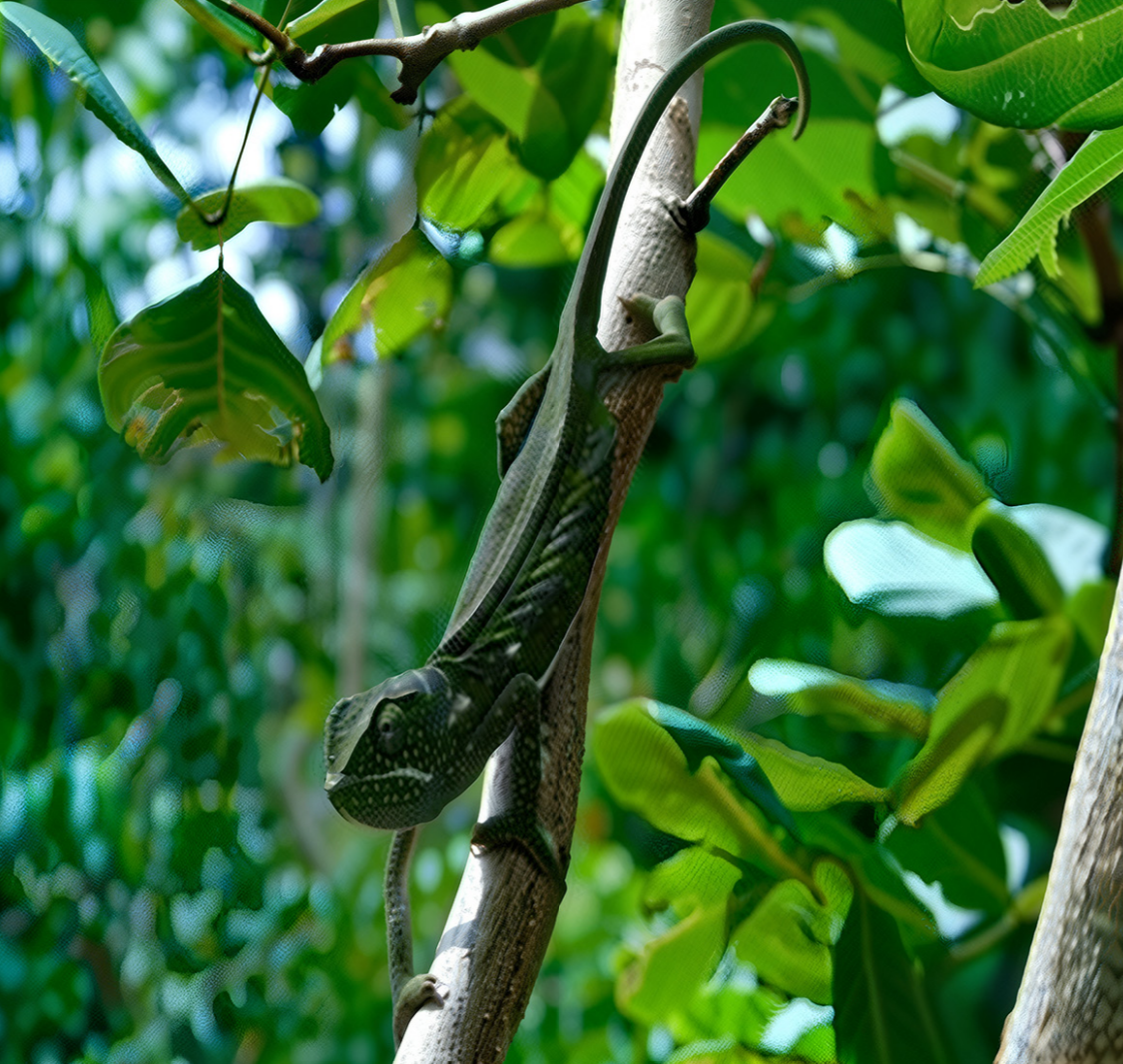
The two different populations of Chamaeleo anchietae in western Angola and in south-eastern Congo and Tanzania probably represent two different species. If the animals from the Democratic Republic of Congo and Tanzania were true to be elevated to species status in the future, they would have to be named Chamaeleo vinckei according to taxonomy and a species description from 1950.
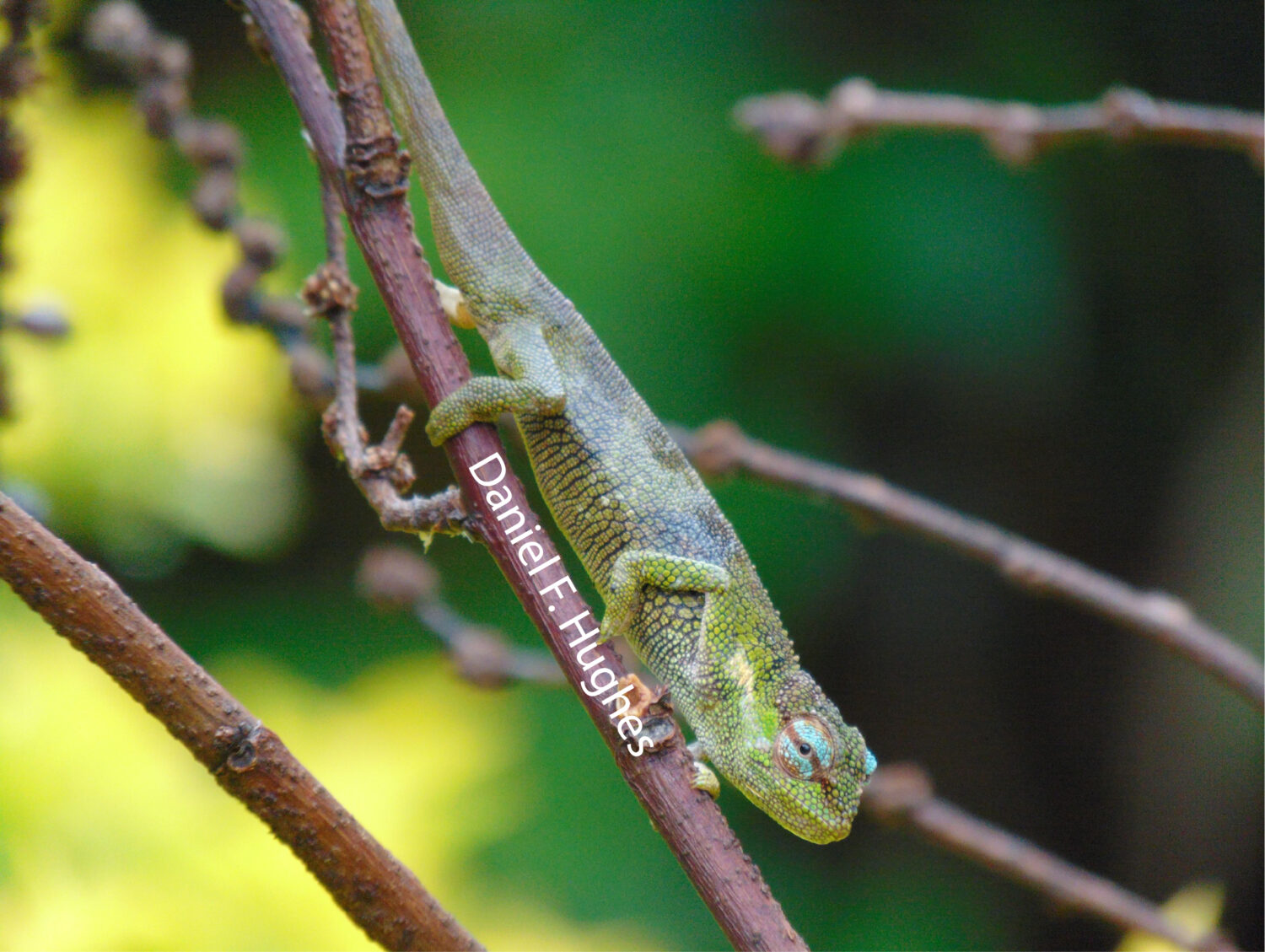
Chamaeleo gracilis seems to hide – which would not be surprising due to its wide distribution – at least three independent species. The “real” Chamaeleo gracilis would be found in Liberia, Sierra Leone and Guinea. The other two groups originate from the triangle of countries between Chad, Cameroon and the Central African Republic and from the border between Kenya and Tanzania. Unfortunately, only single specimens of Chamaeleo gracilis have been sampled, so no more far-reaching recommendation on the splitting of species can be made at this point.
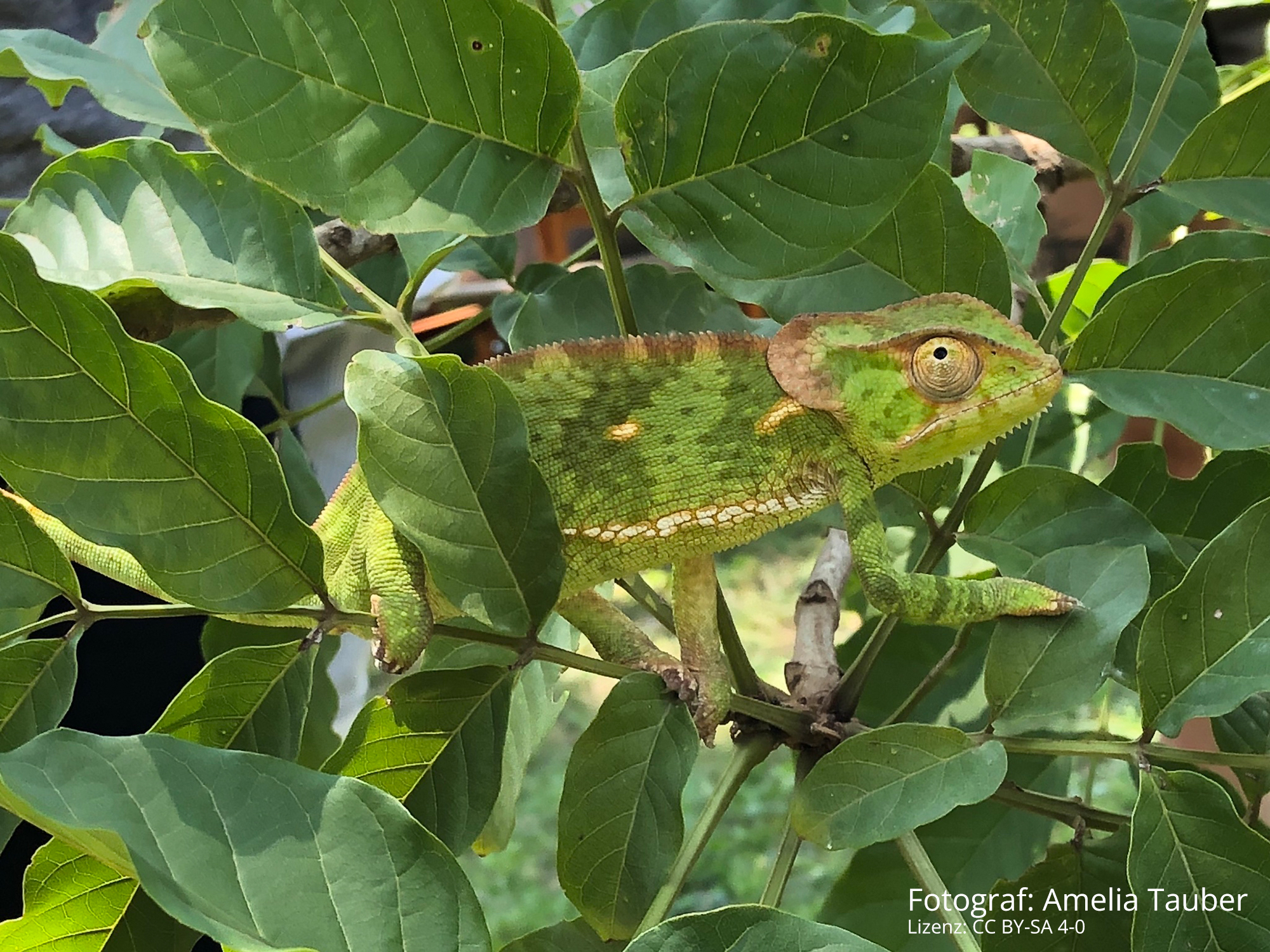
The flap-necked chameleon (Chamaeleo dilepis), currently described as a single species, could contain a total of three species. One of the genetically distinct populations occurs in eastern Africa in Tanzania and Rwanda, while a second species is found in southern and eastern Africa, from South Africa through Botswana, Zambia, Namibia, Mozambique and Malawi to southern Tanzania. The third species would be distributed in west central Africa between Angola and the Congo. None of the candidate species matches the eight subspecies described so far purely on the basis of appearance. Therefore, a complete review of the previous subspecies, their status and the species status of the three newly emerged clades is necessary.
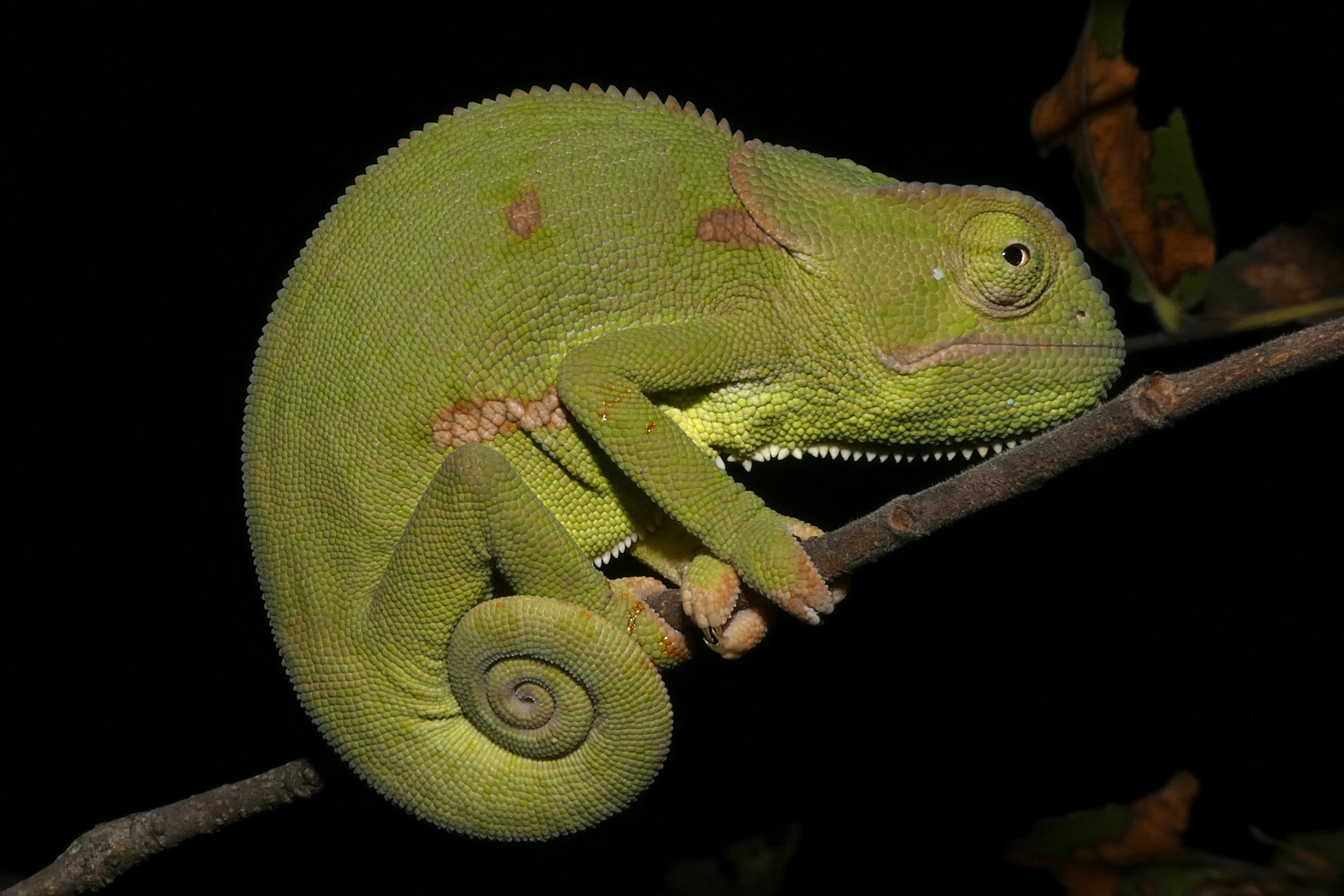
The results of the study on Chamaeleo necasi from Benin are also interesting. It turned out that the genetics identified the sampled animal as Chamaeleo gracilis. However, the specimen itself was not examined by the researchers. It could be a Chamaeleo gracilis misclassified by its appearance. In this case, the specimens used for the species description in 2007 would have to be viewed and sampled again in order to obtain more information about the actual species’ status.
In the course of the genetic investigations, the researchers found out that the origin of the genus Chamaeleo probably lies in South Africa. Chamaeleo namaquensis, the only terrestrial chameleon of the genus Chamaeleo, split off from the other Chamaeleo species as early as 40 million years ago in the Eocene. This makes the Namaqua chameleon from the Namib Desert and Damaraland the “oldest” chameleon of the genus Chamaeleo. Chamaeleo anchietae followed about 29 million years ago.
Out of southern Africa: origins and cryptic speciation in Chamaeleo, the most widespread chameleon genus
Devon C. Main, Bettine Jansen van Vuuren, Colin R. Tilbury & Krystal A. Tolley Conceptualisation
Molecular Phylogenetics and Evolution, Volume 175
DOI: 10.1016/j.ympev.2022.107578