
Presentation in Munster about Madagascar’s chameleons

Presentation in Munster about Madagascar’s chameleons

Reiseberichte Live lectures Science

The DGHT Münster is also starting the new year with lots of chameleons. On Friday, 16 January 2026, Philip-Sebastian Gehring will give a detailed lecture on Madagascar and its many chameleons.

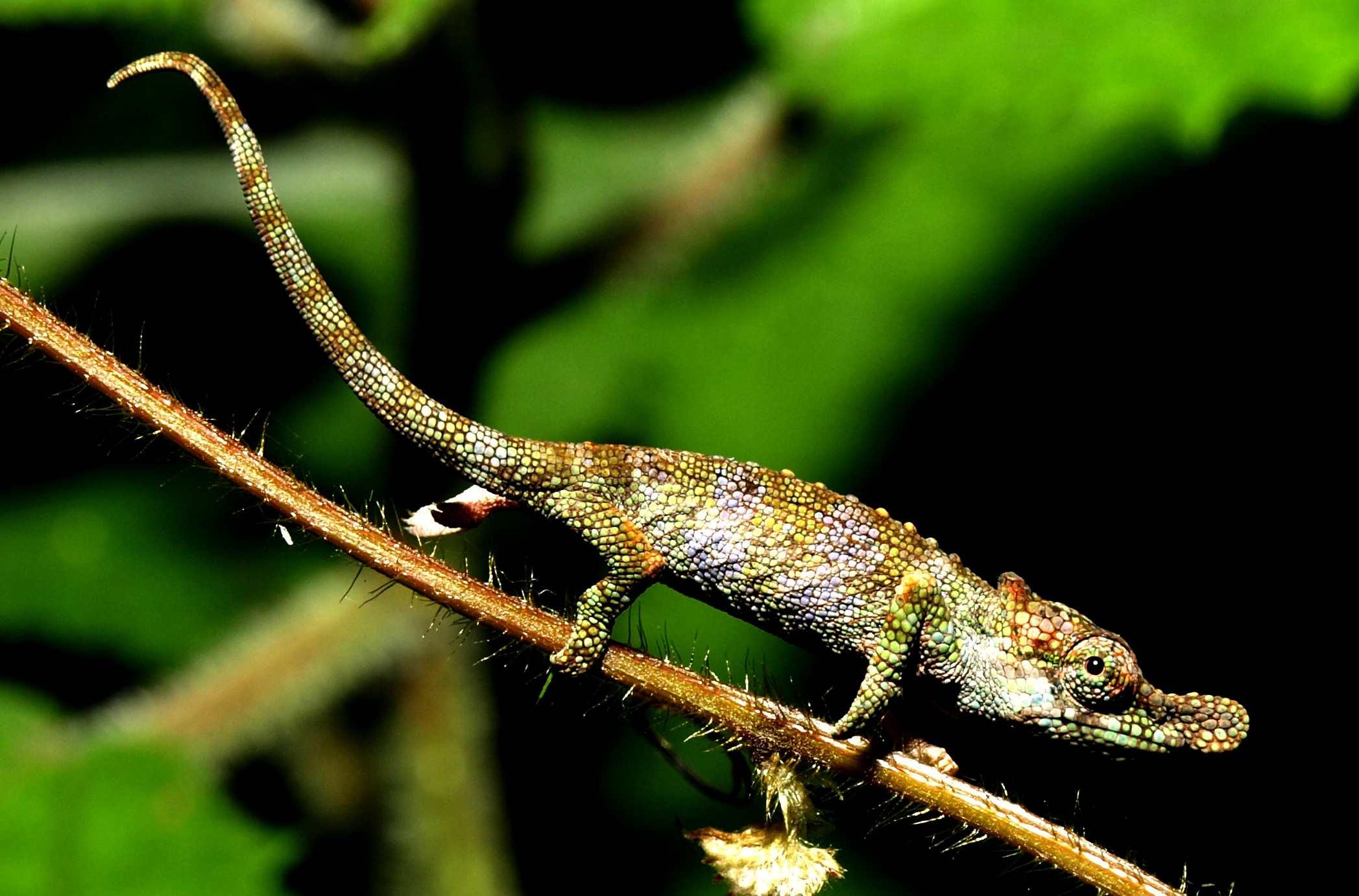
Madagascar is home to almost half of all known chameleon species worldwide, all of which are found exclusively on this island. This extraordinary diversity makes Madagascar’s chameleons an important subject of scientific research, as they offer unique insights into the mechanisms of evolution and adaptation. Over the past 20 years, numerous studies and new discoveries have significantly expanded our understanding of species diversity and evolutionary processes within this group of reptiles. In particular, the identification and description of new species and the investigation of their genetic differences have provided key insights into the origin and differentiation of species. The lecture will provide a comprehensive overview of this research and clearly present the current state of research on Madagascan chameleons.

Dr. Philip-Sebastian Gehring Evolution and diversity of Madagascar’s chameleons – Latest research findings [German]
DGHT city group Munster
Zoo school of Allwetterzoo Munster
Sentruper Straße 315
48161 Münster
Lecture begins at 7 p.m., doors open at 6:30 p.m. via the main entrance of the zoo.

Photos: small Calumma species in Madagascar, photographed by Philip-Sebastian Gehring

How to identify chameleons

How to identify chameleons

Internationaler Chamäleontag

Identifying chameleons – Did you know that there is a platform where you can post any of your chameleon observations online while travelling? Anyone can share their photographed observations with others on iNaturalist. You can also have chameleons that you were unable to identify yourself identified by experts. Some people from the Chameleons working group are also represented there! Scientists and curious people from all over the world can view the observations and find new locations or unknown species from the comfort of their own homes. Or make exciting observations – such as this recent publication on mosquito bites in chameleons.

#show your colours #internationalchameleonday #chameleonday #chameleondayMay9 #agchamaeleons

Picture: Trioceros deremensis, photographed by Simon Tonge

Chameleon species worldwide

Chameleon species worldwide

Internationaler Chamäleontag

Do you know how many chameleons there are in the world? There are currently exactly 228 species! Most of them are found in Africa, over 40% of them only on the island of Madagascar. But there are also chameleons in southern Spain, Italy, Turkey and India. They range from brightly coloured to small and brown, from tiny to huge. An incredible variety makes this group of reptiles unique. And not all species have been described yet!

Here is a list of all currently known chameleon species, each with a link to the ReptileDatabase for further information:

#show your colours #internationalchameleonday #chameleonday #chameleondayMay9 #agchamaeleons

Foto: Trioceros hoehnelli, fotografiert von Marius Burger